High Dense Refractory Bricks Wholesale Supplier in China

banner

Insulation and Refractory Materials

High Dense Refractory Brick
dense refractory bricks in china
dense refractory bricks wholesale
high dense refractory brick
High Dense Refractory Brick
dense refractory bricks in china
dense refractory bricks wholesale
high dense refractory brick
High Dense Refractory Brick

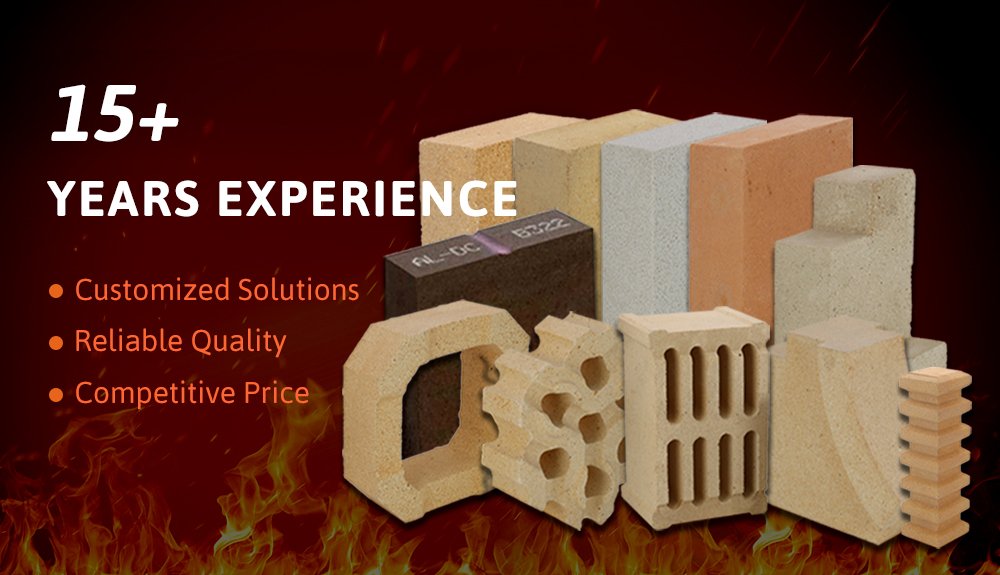
Laurel Dense Refractory Brick is a high-density fireclay refractory product developed for industrial furnaces, kilns, heat-treatment equipment, and other high-temperature applications where mechanical strength, low porosity, and resistance to thermal and chemical attack are important.

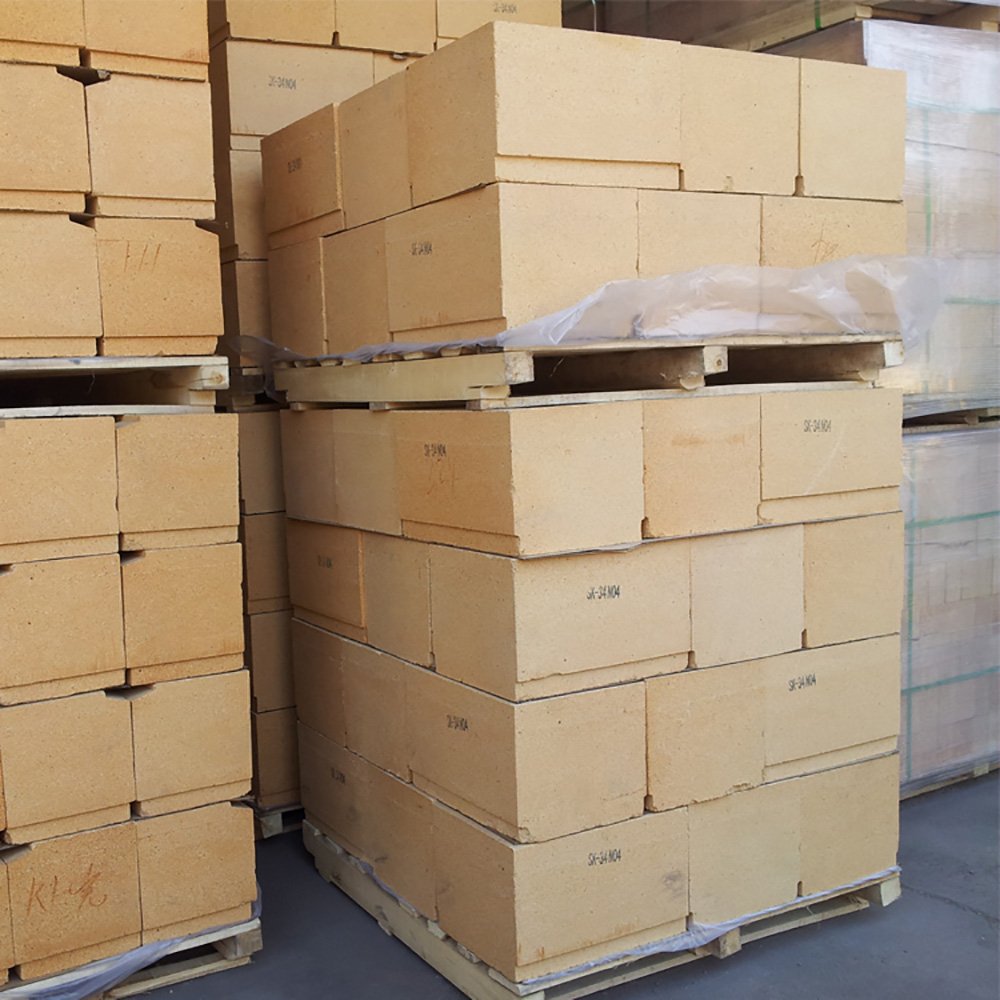
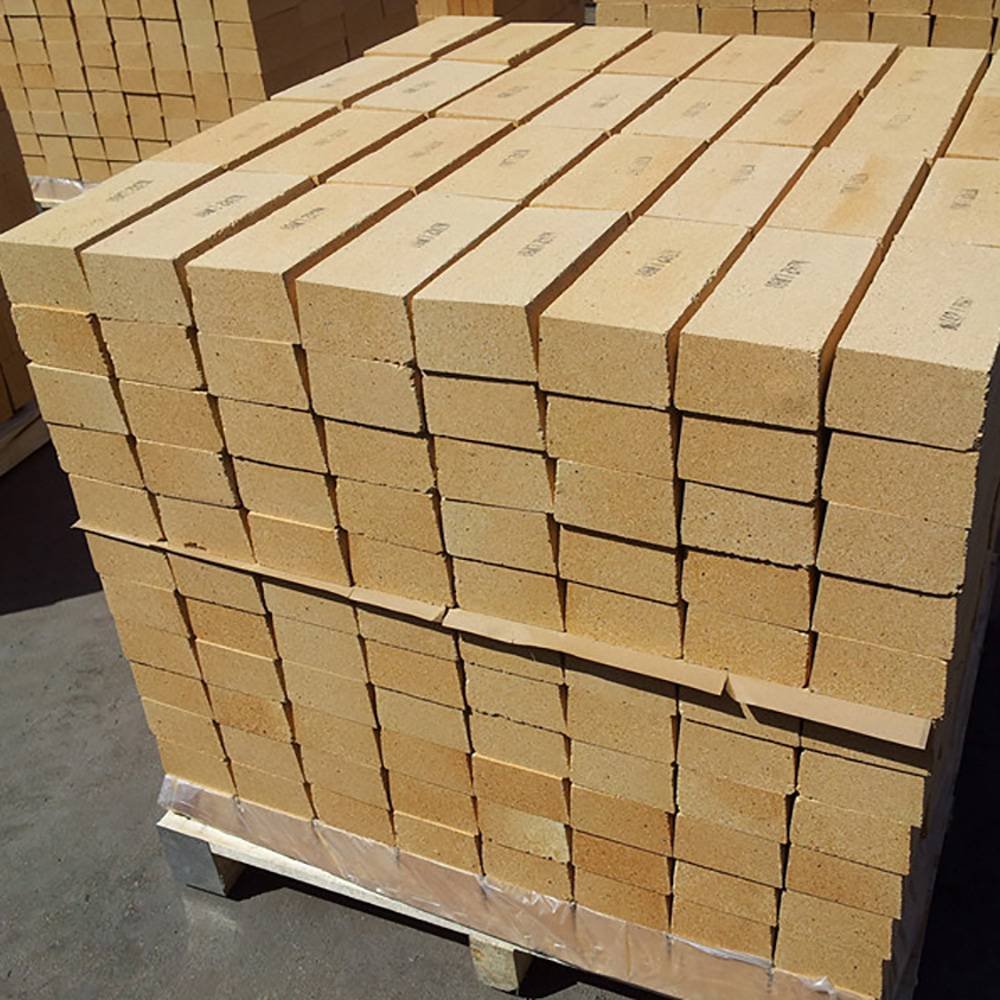
As a professional refractory brick manufacturer and refractory brick factory in China, Laurel supplies dense fire bricks in different grades and sizes for industrial lining applications. The bricks are produced from selected refractory raw materials with controlled composition and firing conditions to achieve consistent physical properties, dimensional accuracy, and reliable performance in demanding service environments.


Product Details


For buyers sourcing china refractory brick for steel, cement, lime, foundry, glass, and other industrial applications, Laurel provides specification-based manufacturing and bulk supply according to required grade, dimensions, quantity, and application conditions.

What Is Dense Refractory Brick?

Dense refractory brick is a low-porosity refractory material designed primarily for areas exposed to high temperatures, mechanical loads, abrasion, and contact with dust, ash, slag, or other aggressive materials.

Compared with lightweight insulating bricks, dense refractory brick has a higher bulk density and greater mechanical strength. It is therefore commonly selected for furnace floors, sidewalls, kiln areas, burner zones, and other locations where the lining needs to withstand physical loading as well as elevated temperatures.

Laurel refractory fire brick grades are based on an alumina-silica composition, with different grades providing different levels of alumina content, apparent porosity, refractoriness, and strength.

Actual product properties may vary according to grade, raw materials, manufacturing conditions, and testing methods. The applicable technical specification should be confirmed before production.

Key Features of Laurel Refractory Brick

High Mechanical Strength

Dense refractory brick is designed for areas where the lining is subjected to mechanical loading, impact, and abrasion. The listed cold crushing strength of Laurel grades reaches 60–70 MPa or higher, depending on the selected grade.

This makes the material suitable for furnace floors, sidewalls, kiln cars, and other locations where mechanical stability is important.

Low Apparent Porosity

The three listed grades have apparent porosity values of 10%, 12%, and 14%. Lower porosity can help reduce the penetration of slag, dust, and other molten or corrosive materials into the refractory structure.

For applications involving significant chemical attack, the appropriate grade should be selected according to the actual slag composition, operating temperature, and exposure conditions.

Good High-Temperature Stability

The refractory brick grades provide refractoriness of 1750–1790°C, while refractoriness under load at 0.2 MPa ranges from 1400°C to 1500°C according to grade.

These properties are important when refractory bricks are exposed to both elevated temperature and mechanical loading during continuous industrial operation.

Controlled Dimensions and Manufacturing Quality

Accurate brick dimensions are important for refractory lining construction. Consistent geometry helps reduce excessive joint gaps and facilitates installation according to the specified lining design.

As a refractory brick factory, Laurel controls raw material preparation, forming, drying, firing, and inspection to maintain consistent product quality between production batches.

Applications of Refractory Fire Brick

Laurel refractory fire brick can be used in a variety of industrial thermal equipment, including:

  • Steel furnace sidewalls and other high-temperature furnace areas

  • Furnace floors and heavy-load lining sections

  • Kiln cars and heat-treatment equipment

  • Burner zones

  • Ash hoppers

  • Coke oven doors and heat-treatment chambers

  • Industrial furnace walls and arches

  • Selected backup or working lining areas

  • Cement and lime kiln applications

  • Foundry and metal-processing furnaces

  • Glass and ceramic thermal processing equipment

The final refractory brick selection should be based on temperature, mechanical load, abrasion, chemical exposure, thermal cycling, and installation position rather than temperature alone.

Kiln Refractory Brick for Industrial Kilns

Kiln refractory brick is exposed to different operating conditions depending on the kiln design and process zone. A kiln lining may experience continuous heating, cooling cycles, mechanical movement, dust erosion, and chemical interaction with process materials.

Dense grades with lower apparent porosity and higher mechanical strength can be considered for sections where physical durability and resistance to material penetration are important.

For cement, lime, ceramic, and other industrial kilns, Laurel can supply refractory brick according to the required chemical composition, physical properties, dimensions, and order quantity.


Table parameters

Item                       Dense Fire Brick

LALPFC-10

LALPFC-12

LALPFC-14

AL2O3%

50

45

42

Fe2O3%

1.2

1.2

1.5

SiO2%

53%

53%

56%

Refractoriness

1790

1750

1750

Apparent Porosity%

10

12

14

Refractoriness  under load  at 0.2MPa

1500

1450

1400

cold crushing strength  ≥ 

70

65

60

Linear Change on reheating 1450C*3H

+0.1~-0.2

+0.1~-0.4

+0.1~-0.5

BD g/cm3≥

2.3-2.4

2.3-2.4

2.3-2.4

Features

How to Select the Right Refractory Brick

Selecting the right refractory brick requires more than comparing the nominal service temperature. Industrial buyers should evaluate the complete operating environment.

1. Operating Temperature

Confirm the normal operating temperature as well as temperature fluctuations and possible peak temperatures.

2. Mechanical Load

Furnace floors, kiln cars, arches, and other load-bearing sections require sufficient cold crushing strength and resistance to deformation under load.

3. Chemical Exposure

Slag, ash, alkalis, metal oxides, and process gases can affect refractory performance. The chemical composition of the refractory should therefore be considered together with the process atmosphere.

4. Porosity and Density

Low apparent porosity can be beneficial where penetration resistance is important, while higher-density grades are generally selected where mechanical strength and wear resistance are priorities.

5. Brick Dimensions

Brick size and shape should match the lining design. Standard and customized dimensions can be discussed according to the project requirements.

China Refractory Brick Manufacturer and Factory Supply

Choosing a reliable china refractory brick supplier is important for industrial projects where consistent material quality and dimensional accuracy are required across repeated orders.

Laurel operates as a refractory brick manufacturer and refractory brick factory serving industrial customers with bulk refractory products. We focus on specification-based production rather than one-size-fits-all supply.

For regular procurement, buyers can provide the required brick grade, dimensions, quantity, application, operating temperature, and delivery destination. These details allow the appropriate refractory brick specification and production requirements to be confirmed before quotation.

Refractory Brick for Sale for B2B Industrial Projects

Laurel supplies refractory brick for sale to industrial customers, contractors, refractory installers, distributors, and equipment manufacturers.

Because refractory materials are normally purchased according to project specifications, the final cost depends on factors such as:

  • Refractory grade

  • Chemical and physical specifications

  • Brick dimensions and shapes

  • Order quantity

  • Packaging requirements

  • Customized processing

  • Delivery destination

  • Shipping and logistics

For this reason, industrial buyers should request a quotation based on complete specifications rather than relying on a generic online product price.

Why Choose Laurel Refractory Brick?

Laurel provides refractory brick supply for industrial applications where consistent specifications and dependable manufacturing are important.

Our capabilities include:

  • Multiple dense fire brick grades

  • Specification-based production

  • Standard and customized dimensions

  • Bulk B2B supply

  • Batch quality inspection

  • Export-oriented packaging

  • Technical support for product selection

  • Supply for furnaces, kilns, and thermal processing equipment

As a refractory brick supplier, Laurel works with customers to match refractory products with actual operating conditions rather than recommending a grade based only on nominal temperature.

Frequently Asked Questions

What is refractory brick used for?

Refractory brick is used to construct or repair linings in furnaces, kilns, heat-treatment equipment, and other high-temperature industrial equipment. Dense grades are particularly suitable for areas exposed to mechanical loads, abrasion, and chemical attack.

What is the difference between dense and insulating refractory brick?

Dense refractory brick has higher bulk density and mechanical strength and is generally used where the lining must withstand physical and thermal loads. Insulating refractory brick has a lower density and is primarily selected to reduce heat transfer and lining weight.

Can Laurel provide customized refractory brick?

Yes. Brick dimensions, shapes, grades, and quantities can be discussed according to the requirements of the refractory lining or industrial equipment.

What information is needed for a refractory brick quotation?

Please provide the required grade or chemical composition, brick dimensions, quantity, application, operating temperature, and delivery destination. Drawings or existing refractory specifications are also useful for customized products.

Does Laurel supply refractory brick in bulk?

Yes. Laurel supports B2B bulk orders for industrial customers, contractors, distributors, and refractory projects.

How should a kiln refractory brick grade be selected?

The selection should consider kiln temperature, mechanical load, abrasion, chemical exposure, thermal cycling, lining position, and the characteristics of the processed material. A technical specification should be confirmed before ordering.

Request a Refractory Brick Quotation

If you are sourcing refractory brick for industrial furnaces, kilns, heat-treatment equipment, or other high-temperature applications, send us your required grade, dimensions, quantity, application conditions, and delivery destination.

Laurel can provide a specification-based quotation and recommend a suitable refractory fire brick grade for your application.


Inquiry Now

contact us

Your satisfaction is our top priority. Whether you have questions, need support, or want to share feedback, our dedicated team is ready to assist you every step of the way.

+86-15264257623

-2

info@laurelrefractory.com

+86-532-80829560