Refractory Ceramic Fiber Blanket vs Ceramic Fiber Board: Key Differences
Refractory ceramic fiber blanket and ceramic fiber board are both used for high-temperature insulation. They help reduce heat loss in furnaces, kilns, and other industrial equipment.
However, they have different shapes and uses. A ceramic fiber blanket is soft and flexible. A ceramic fiber board is rigid and keeps its shape.
Choosing the right material depends on the installation area, working temperature, and insulation needs. This article explains the main differences and helps buyers select the right product.
A refractory ceramic fiber blanket is a soft, lightweight insulation material. It is made from ceramic fibers and formed into a flexible blanket.
The blanket can bend to fit curved surfaces. It can also be cut to fit different shapes and sizes.
Its main features include:
· Low thermal conductivity
· Low weight
· Good thermal insulation
· Flexible structure
· Easy cutting and installation
A refractory ceramic fiber blanket is often used in furnace walls, kiln linings, pipe insulation, and equipment covers.
It is also useful for areas with irregular shapes. The flexible structure helps workers fit the material around pipes and other parts.
The available temperature rating depends on the fiber type and product grade. Buyers should check the manufacturer's technical data before use.
Ceramic fiber board is a rigid insulation product. It is made from ceramic fibers and formed into a board.
Unlike a blanket, the board keeps its shape during handling and installation. It provides a flat and firm surface.
Common features include:
· Rigid structure
· Low thermal conductivity
· Good heat resistance
· Easy cutting and shaping
· Stable shape during installation
Ceramic fiber board is often used in furnace doors, burner blocks, kiln linings, and other areas that need a firm insulation layer.
It can also be used as a backup insulation layer. The right grade depends on the temperature, load, and working conditions.
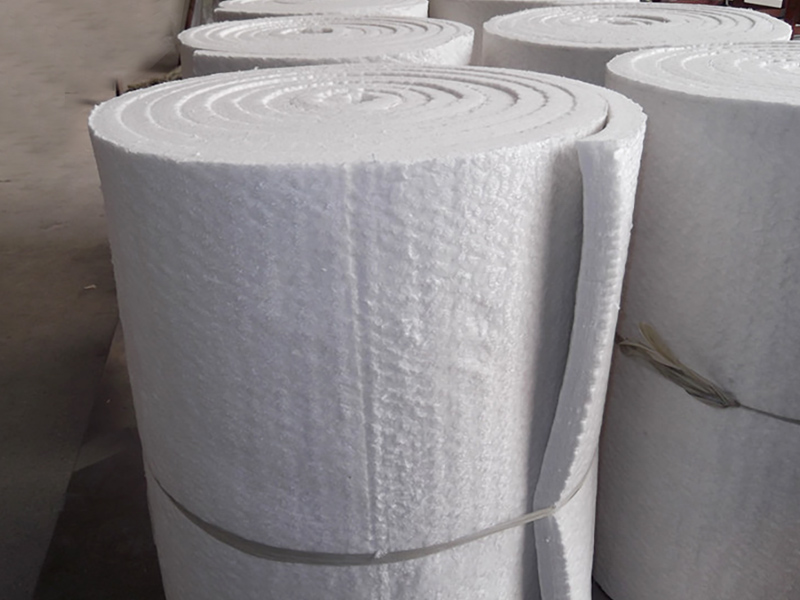
The main difference is their structure. A blanket is flexible, while a board is rigid.
| Property | Refractory Ceramic Fiber Blanket | Ceramic Fiber Board |
| Structure | Soft and flexible | Rigid and firm |
| Shape | Can bend around surfaces | Keeps a flat shape |
| Installation | Wrapped, layered, or fixed in place | Cut and fitted into position |
| Curved surfaces | Usually easier to fit | May need special cutting |
| Flat surfaces | Suitable | Suitable |
| Shape support | Limited | Better shape support |
| Common uses | Furnace walls, pipes, and equipment covers | Furnace doors, flat linings, and burner areas |
| Storage | Usually supplied in rolls or folded packs | Usually supplied as boards |
Both products provide thermal insulation. However, they are not suitable for exactly the same jobs.
A blanket is often better for irregular surfaces. A board is often better when a firm shape is needed.
Before buying a refractory ceramic fiber blanket or ceramic fiber board, check the following points.
First, look at the shape of the area.
A blanket is a good choice for curved pipes and irregular surfaces. It can bend and fit around different shapes.
A board is often easier to install on flat surfaces. It can also be cut to fit doors, openings, and other parts.
Both products are available in different grades.
Check the continuous working temperature and the expected temperature changes. Do not choose a product based only on its highest listed temperature.
The actual service life also depends on the atmosphere, installation method, and other working conditions.
Thickness affects insulation performance. Thermal conductivity is also important.
A thicker material does not always mean better performance in every application. Buyers should compare technical data at the expected operating temperature.
The required thickness should match the furnace design and insulation target.
A refractory ceramic fiber blanket is flexible. It needs suitable fixing methods to keep it in place.
Ceramic fiber board holds its shape better. This can make it a better choice for areas that need a firm insulation layer.
However, neither product should be used as a load-bearing material unless the specific grade is designed and approved for that purpose.
The installation method also affects product choice.
Blankets may need anchors, pins, washers, or other fixing parts. Boards may need cutting, joints, and suitable fixing methods.
Correct installation helps reduce gaps and heat loss. It also helps the lining stay in place during use.
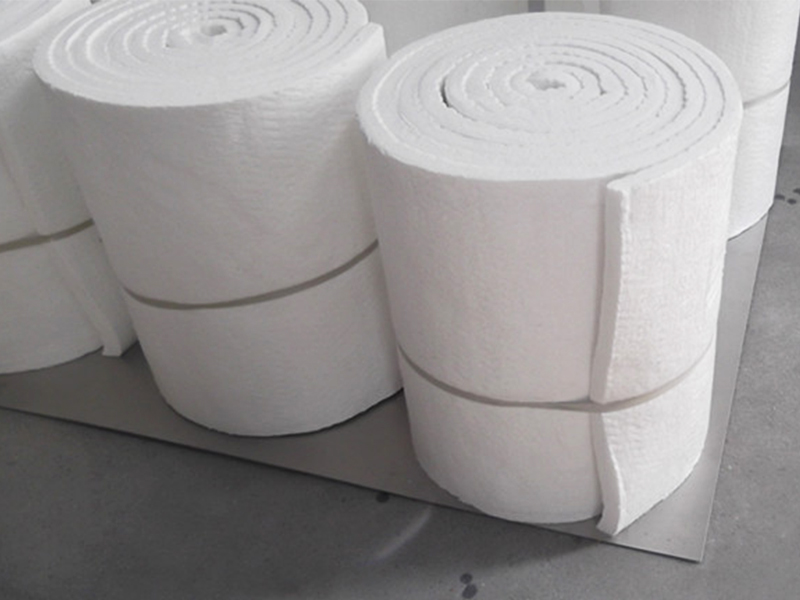
Yes. In some furnace designs, the two products can work together.
For example, ceramic fiber board may be used where a firm surface is needed. A refractory ceramic fiber blanket may be added behind the board as an insulation layer.
This combination can help meet different insulation needs in one lining.
The design must consider temperature, thickness, fixing methods, and the position of each layer. The materials should also be suitable for the working atmosphere.
Not every furnace needs both products. The final choice depends on the equipment design and operating conditions.
Some common mistakes can affect insulation performance.
Choosing only by temperature rating: Buyers should also check thermal conductivity, thickness, density, and working conditions.
Using a blanket where a rigid shape is needed: A flexible blanket may not provide enough shape support for some applications.
Using a board on complex curved surfaces: A rigid board may need more cutting and fitting. A blanket may be easier to install in these areas.
Ignoring installation details: Gaps, poor fixing, and unsuitable joints can increase heat loss.
Not checking product data: Different grades can have different properties. Always confirm the technical specifications before ordering.
When working with a refractory ceramic fiber manufacturer, buyers should provide clear project details.
Useful information includes:
· Furnace or kiln type
· Working temperature
· Installation area
· Required thickness and dimensions
· Insulation target
· Required quantity
· Working atmosphere
These details help the manufacturer recommend a suitable blanket or board grade.
Buyers should also check thermal conductivity, density, temperature rating, and other relevant test data. For large projects, confirm the required dimensions, packaging, and delivery schedule before placing an order.
A refractory ceramic fiber blanket is flexible and easy to fit around irregular surfaces. Ceramic fiber board is rigid and better suited to applications that need a firm shape.
Both materials help reduce heat loss in industrial equipment. The right choice depends on the installation area, working temperature, insulation needs, and fixing method.
For a furnace or kiln project, buyers can share their working conditions and required dimensions with a refractory ceramic fiber manufacturer. This helps identify the right product grade for the application.
Related Products
Inquiry Now
Please leave your e-mail and we will contact you as soon as possible
+86-15264257623 Jacky Liu
1003, Building 1,The Fortune Zone, No.17 Lian yungang Road,Qingdao,China
For more details, welcome to message us.
Copyright © 2025 Qingdao laurent new materials co.,ltd.All Rights Reserved.
 Powered by HiCheng
contact us
Your satisfaction is our top priority. Whether you have questions, need support, or want to share feedback, our dedicated team is ready to assist you every step of the way.