How Light Weight Mullite Insulation Brick Helps Reduce Heat Loss
High-temperature furnaces need good insulation. A good lining should handle heat and reduce heat loss.
A heavy refractory lining can add a lot of weight. It can also allow more heat to pass through the lining.
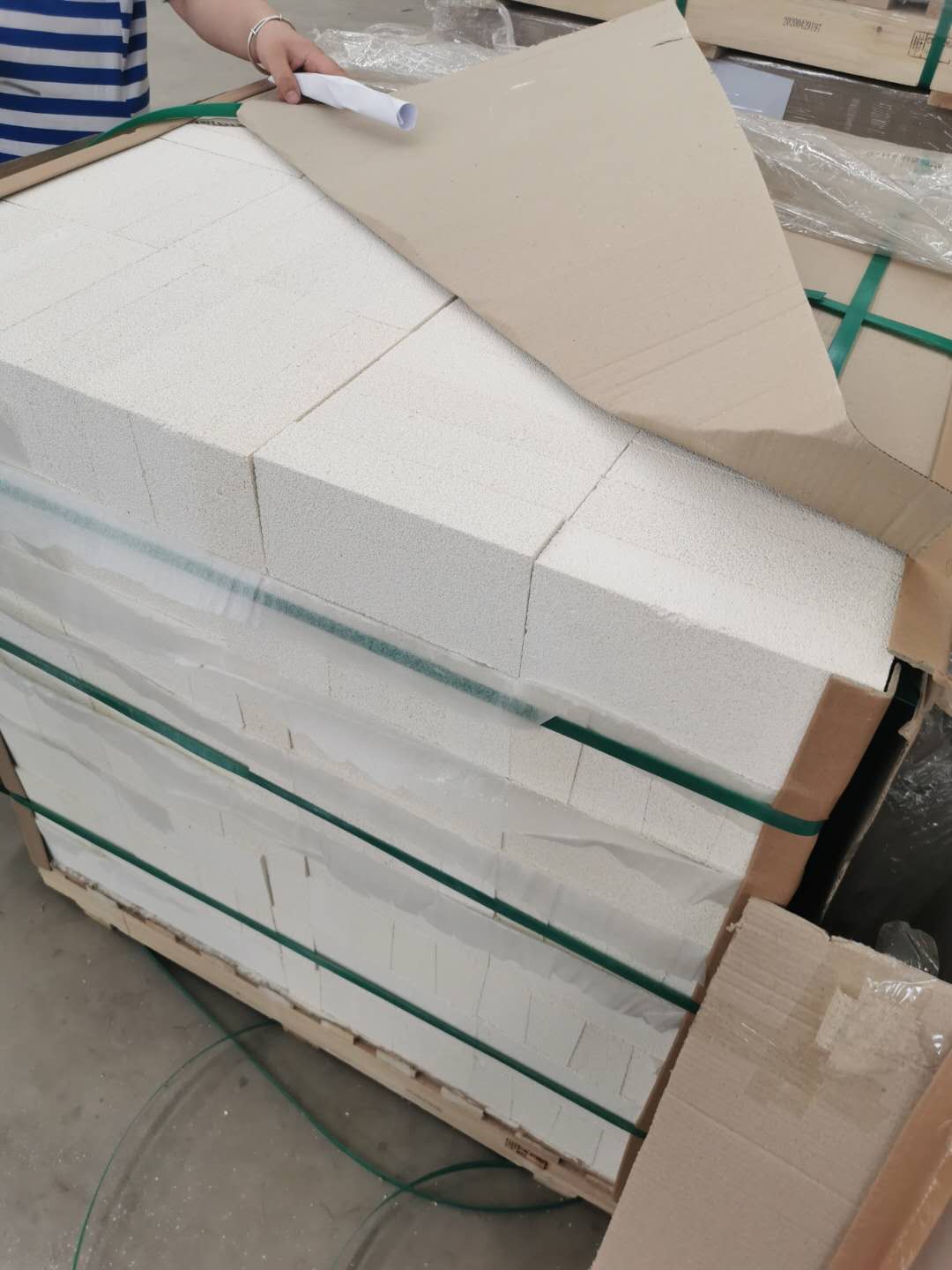
A light weight mullite insulation brick is one option for these applications. It has low weight and good heat insulation. It can be used in furnace walls, roofs, and backup lining layers.
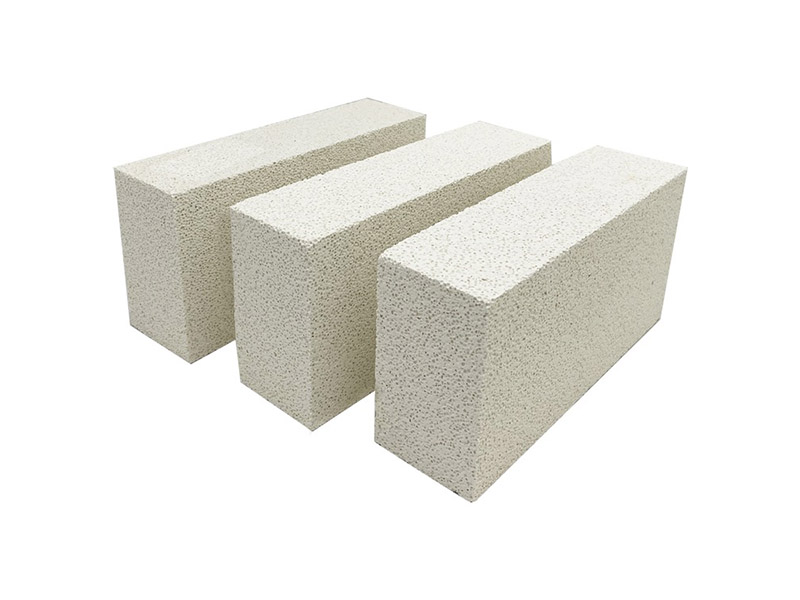
A light weight mullite insulation brick is a type of lightweight refractory brick.
Mullite is an important material in the brick. The brick has a porous structure. This helps reduce its weight and thermal conductivity.
Common features include:
· Low bulk density
· Low thermal conductivity
· Good heat resistance
· Good shape stability
· Easy handling
The exact properties depend on the grade and density.
A light weight mullite brick is not the same as a dense mullite refractory brick. They are made for different parts of a furnace.
Mullite is widely used in high-temperature refractory materials.
It has good heat stability. It can keep its shape at high temperatures. It also works well in many furnace and kiln applications.
This makes mullite for refractory brick useful when both heat resistance and insulation are needed.
Mullite can also handle repeated heating and cooling. But the right grade still depends on the working conditions.
Heat can move through a furnace wall. The lining needs to slow this heat flow.
A lightweight mullite brick has more pores than a dense refractory brick. These pores help reduce heat transfer.
For example, a furnace wall may use two or more layers.
The hot face can use a dense refractory brick. A light weight mullite insulation brick can be used behind it.
This design can reduce heat loss through the furnace wall. It can also reduce the total weight of the lining.
The result depends on the full lining design. Brick thickness and thermal conductivity are also important.
A mullite insulation brick can be used in many high-temperature areas.
It can be used in furnace walls and roofs. It is useful where good insulation is needed.
Some kilns use lightweight refractory bricks to reduce heat loss.
It can be used in areas that need stable insulation at high temperatures.
This is a common use.
The brick can be placed behind a dense working layer. This helps reduce heat flow to the furnace shell.
A light weight mullite insulation brick is not always suitable for the hot face. The working area may have flame, wear, dust, or other harsh conditions.
These two bricks have different uses.
Property | Light Weight Mullite Insulation Brick | Dense Refractory Brick |
Weight | Lower | Higher |
Thermal conductivity | Lower | Higher |
Insulation | Main purpose | Not the main purpose |
Strength | Grade dependent | Usually higher |
Common use | Insulation layer | Working layer |
Main function | Reduce heat loss | Resist heat and wear |
The two materials can also be used together.
A dense brick can protect the hot side. A lightweight mullite brick can provide insulation behind it.
Several points should be checked before buying a mullite refractory brick.
Check the real working temperature.
Do not look only at the maximum temperature listed for the product.
Density affects weight and insulation.
A lower density usually means better insulation. But strength must also meet the needs of the project.
Thermal conductivity is important for heat loss control.
Ask for test data when comparing different grades.
Check the strength if the brick will carry a load.
This is important for furnace roofs and other load-bearing areas.
Check the brick size before ordering.
Standard sizes may work for some projects. Custom sizes may be needed for special furnace designs.
Wrong material selection can cause lining problems.
One common mistake is using an insulation brick in a high-wear area.
If the brick faces strong impact or abrasion, a denser refractory material may be needed.
Another mistake is choosing a brick only by its temperature rating.
Density, thermal conductivity, strength, and working conditions should also be checked.
Installation is also important.
Large gaps between bricks can increase heat loss. The wrong mortar can also affect the lining.
When looking for a mullite refractory bricks supplier, buyers should provide basic project details.
These may include:
· Furnace or kiln type
· Working temperature
· Installation area
· Brick size
· Required quantity
· Insulation requirements
· Mechanical load
· Working conditions
This information helps the supplier select the right grade.
For a B2B project, buyers should also check the product data. Important items include bulk density, thermal conductivity, compressive strength, chemical composition, and size tolerance.
A light weight mullite insulation brick can help reduce heat loss and lining weight.
It is suitable for furnace walls, roofs, and backup insulation layers in many applications.
But it should not replace dense refractory brick in every area.
The right choice depends on the working temperature, brick density, thermal conductivity, strength, and installation position.
For a furnace or kiln project, buyers can provide the working conditions, brick size, and required quantity to a mullite refractory bricks supplier for further specification confirmation.
Related Products
Inquiry Now
Please leave your e-mail and we will contact you as soon as possible
+86-15264257623 Jacky Liu
1003, Building 1,The Fortune Zone, No.17 Lian yungang Road,Qingdao,China
For more details, welcome to message us.
Copyright © 2025 Qingdao laurent new materials co.,ltd.All Rights Reserved.
 Powered by HiCheng
contact us
Your satisfaction is our top priority. Whether you have questions, need support, or want to share feedback, our dedicated team is ready to assist you every step of the way.