Ceramic Fiber Blanket: High-Temperature Insulation Driving Modern Industrial Performance
The demand for reliable high-temperature insulation continues to rise across energy-intensive industries, and the ceramic fiber blanket has become one of the most widely adopted solutions due to its unique balance of low thermal conductivity, lightweight structure, and outstanding resistance to thermal shock. A ceramic fiber blanket is produced through a controlled fiber-forming process using alumina-silica materials, forming a continuous mat without the need for binders. This structure ensures stability at elevated temperatures and allows the ceramic fiber blanket to maintain its insulating performance even during rapid heating and cooling cycles. Because of this inherent stability, industries that operate furnaces, kilns, boilers, reformers, or other thermal equipment increasingly rely on the ceramic fiber blanket to achieve long-term energy efficiency and operational reliability.
A key advantage of the ceramic fiber blanket lies in its extremely low heat storage compared with traditional refractory materials. When used as furnace lining or wall insulation, it reduces start-up time and decreases overall fuel consumption because the blanket does not absorb excessive heat during each thermal cycle. This characteristic is essential for facilities that frequently adjust temperature or require rapid heating, such as metal heat-treatment plants, ceramic firing workshops, glass production lines, and aluminum processing facilities. The ceramic fiber blanket also provides impressive flexibility, allowing installers to wrap, cut, and shape the material easily around complex equipment, pipes, expansion joints, door seals, and irregular structures. Its ease of installation is one of the reasons many maintenance teams prefer the ceramic fiber blanket for shutdowns or system upgrades where time efficiency is critical.
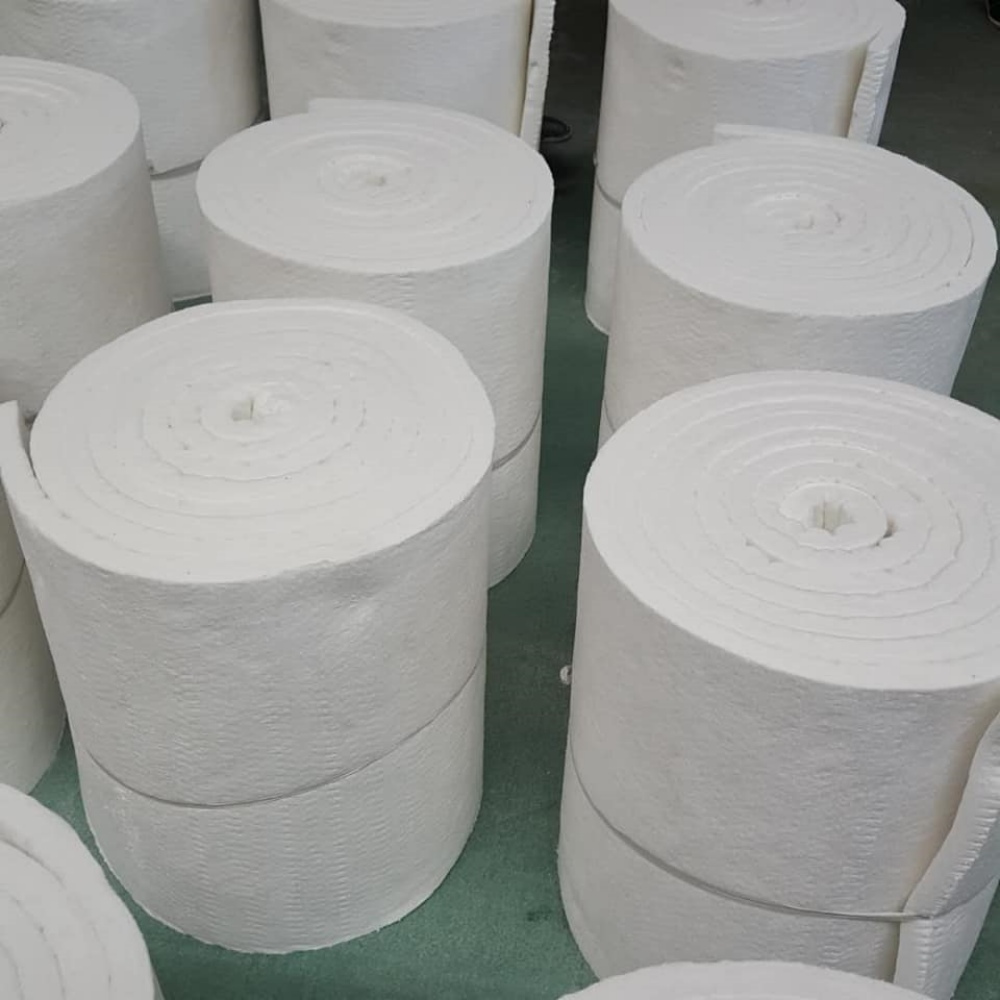
Chemical stability is another reason the ceramic fiber blanket has become indispensable in modern production environments. It resists oxidation, most chemical vapors, and common corrosive gases found in industrial atmospheres. Even when exposed to molten splash or high-velocity hot air, a high-grade ceramic fiber blanket—such as zirconia-reinforced HZ types—maintains structural integrity. This makes the ceramic fiber blanket suitable for harsh applications like petrochemical heaters, cracking furnaces, and environmental protection equipment handling flue gases. The combination of resilience and minimal shrinkage over long operating periods provides furnace designers the confidence needed to incorporate ceramic fiber blanket systems in both new installations and retrofits.
In addition to industrial furnace linings, the ceramic fiber blanket is increasingly used in fire protection systems for commercial buildings, transportation equipment, and tunnel engineering. Its non-combustible nature allows it to act as a fire barrier or thermal shield in passive fire-protection assemblies. Fire doors, fire dampers, cable tunnels, and structural steel protection systems often incorporate ceramic fiber blanket layers to delay heat transfer and safeguard critical infrastructure during emergency situations. Its lightweight composition makes installation easier compared with heavier refractory or concrete-based fireproofing materials, enabling faster construction schedules and reduced labor intensity.
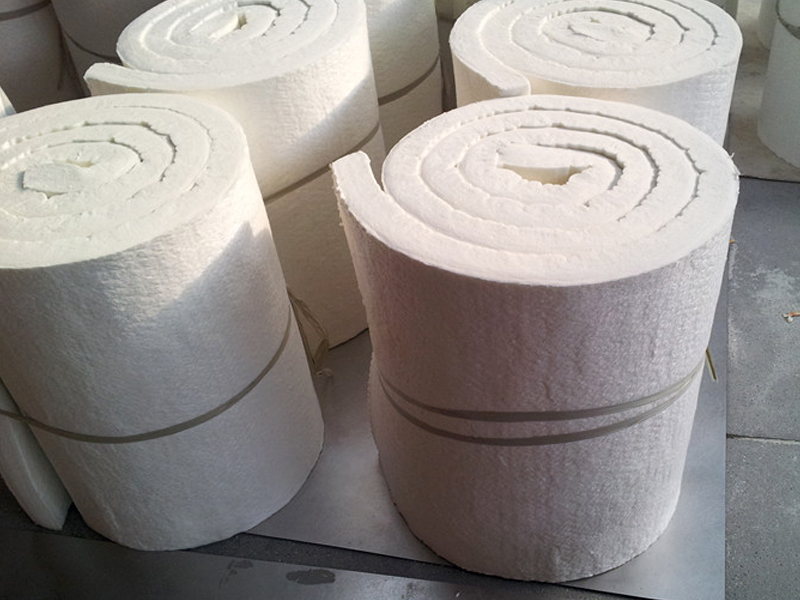
The long service life of the ceramic fiber blanket also contributes significantly to maintenance cost reduction. Even under continuous high-temperature operating conditions, the material retains its fiber elasticity and insulation capacity. This durability reduces the frequency of relining operations and minimizes production downtime—an important factor for large-scale industrial plants that rely on uninterrupted output. As global industries continue to prioritize efficiency, environmental responsibility, and operational stability, the ceramic fiber blanket remains a central material supporting these objectives.
As manufacturing technologies evolve, advances such as needled fiber reinforcement, more uniform fiber distribution, and improved impurity control continue to enhance the performance of the ceramic fiber blanket. These technological improvements allow equipment designers to optimize furnace structure, reduce refractory thickness, and improve heat-transfer management. Across metallurgy, petrochemicals, power generation, ceramics, glass, and fire-protection engineering, the ceramic fiber blanket has become an essential component in meeting modern demands for safety, energy efficiency, and thermal reliability.
Related Products
Inquiry Now
Please leave your e-mail and we will contact you as soon as possible
+86-15264257623 Jacky Liu
1003, Building 1,The Fortune Zone, No.17 Lian yungang Road,Qingdao,China
For more details, welcome to message us.
Copyright © 2025 Qingdao laurent new materials co.,ltd.All Rights Reserved.
 Powered by HiCheng
contact us
Your satisfaction is our top priority. Whether you have questions, need support, or want to share feedback, our dedicated team is ready to assist you every step of the way.