Refractory Brick: Essential High-Temperature Materials for Industrial Furnace Performance
A refractory brick is the core material behind most high-temperature industrial equipment. Furnaces, kilns, reactors, and incinerators depend on it to maintain stability and protect the shell from extreme heat and chemical attack. Without a durable refractory brick lining, industrial systems would face rapid wear, heat loss, and unsafe operating conditions. Because of this, the performance of a refractory brick directly affects energy efficiency, equipment lifespan, and production reliability across metallurgy, cement, petrochemical, glass, and environmental industries.
A refractory brick is produced with minerals such as alumina, silica, magnesia, carbon, and chromium-based compounds. Different bricks suit different furnace atmospheres and temperature ranges. Fireclay bricks, made from alumino-silicate clay, serve general kilns and thermal equipment. High-alumina refractory brick offers stronger mechanical strength and better slag resistance, making it suitable for steel reheating furnaces and rotary kilns. Silica bricks, valued for stability above 1600°C, are used in glass and coke ovens. Magnesia and magnesia-chrome bricks handle basic slags found in cement and steelmaking. Carbon bricks are used in reducing atmospheres such as non-ferrous smelting. The type of refractory brick chosen depends on temperature, load, chemical exposure, and the expected service cycle.
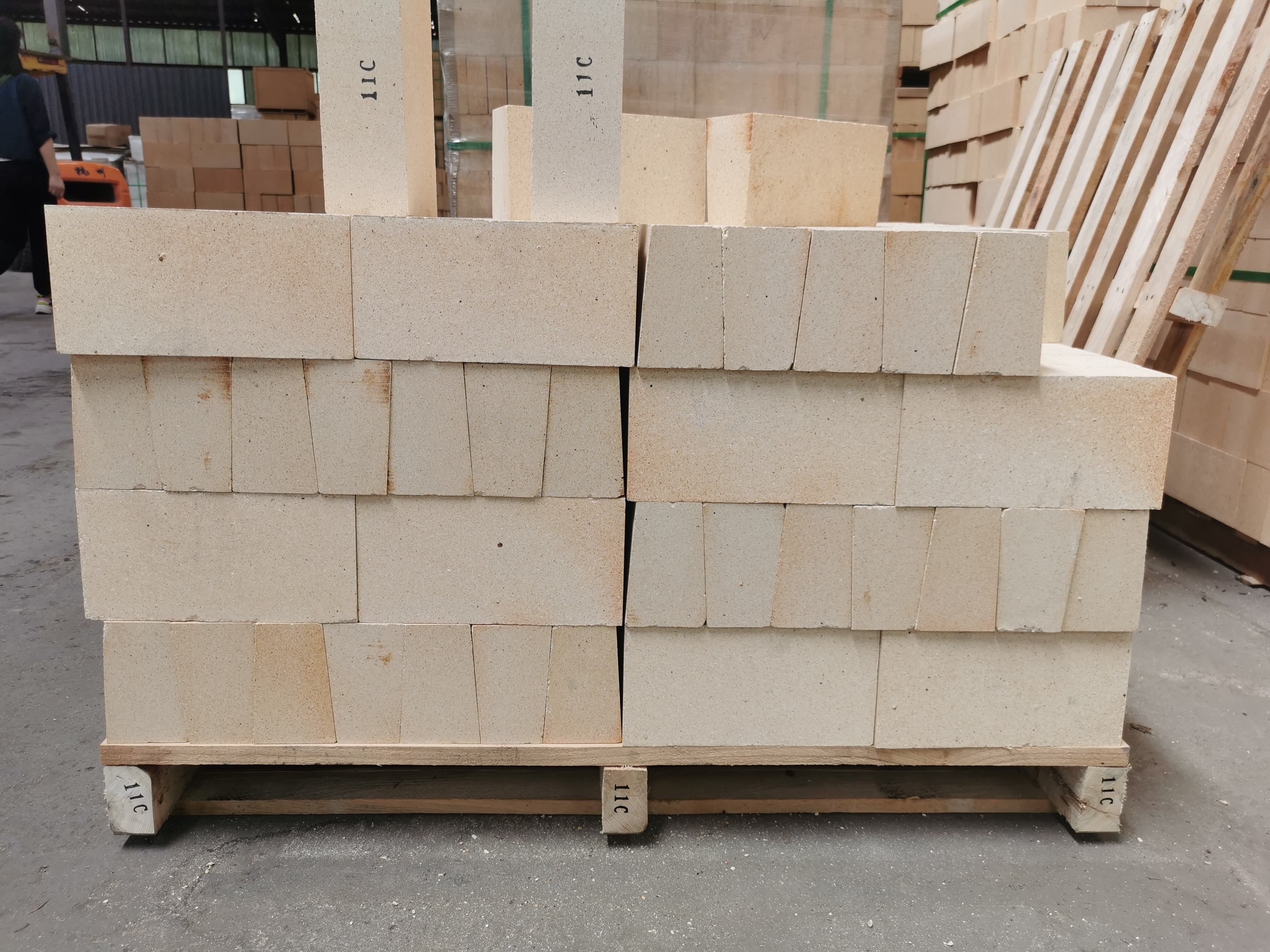
The main purpose of a refractory brick is to retain structural stability even when exposed to repeated heating and cooling. Thermal shock resistance prevents cracking and spalling, which is important during start-ups and shutdowns. Mechanical durability helps the brick withstand abrasion, impacts, and the weight of other bricks in large linings. Chemical stability protects the brick from acidic slags, alkaline dust, molten metals, and corrosive gases. A correctly selected refractory brick reduces lining failures, minimizes downtime, and improves long-term operating efficiency.
Producing a high-quality refractory brick involves raw material preparation, controlled mixing, shaping, drying, and high-temperature sintering. Firing temperature affects mineral phase formation, porosity, and density. For example, high-alumina and silica bricks may require firing above 1500°C to achieve proper bonding, while magnesia bricks need even higher temperatures. Advanced molding technologies like isostatic pressing and vacuum extrusion improve brick uniformity. The performance of a refractory brick is verified using tests for refractoriness, thermal expansion, crushing strength, and chemical composition.
In modern industry, the application range of a refractory brick is extremely broad. Steel plants use them in blast furnaces, ladles, electric arc furnaces, and hot blast stoves. Cement plants rely on magnesia-based bricks for rotary kiln linings because they resist high temperatures and clinker abrasion. Glass furnaces require silica bricks for long-term structural stability. Petrochemical plants use corrosion-resistant refractory brick in reformers and cracking units. Waste incinerators depend on acid-resistant and thermal shock-resistant grades to withstand fluctuating temperatures and corrosive fumes. Many new energy and environmental systems also adopt insulating refractory brick to reduce heat loss and improve thermal management.
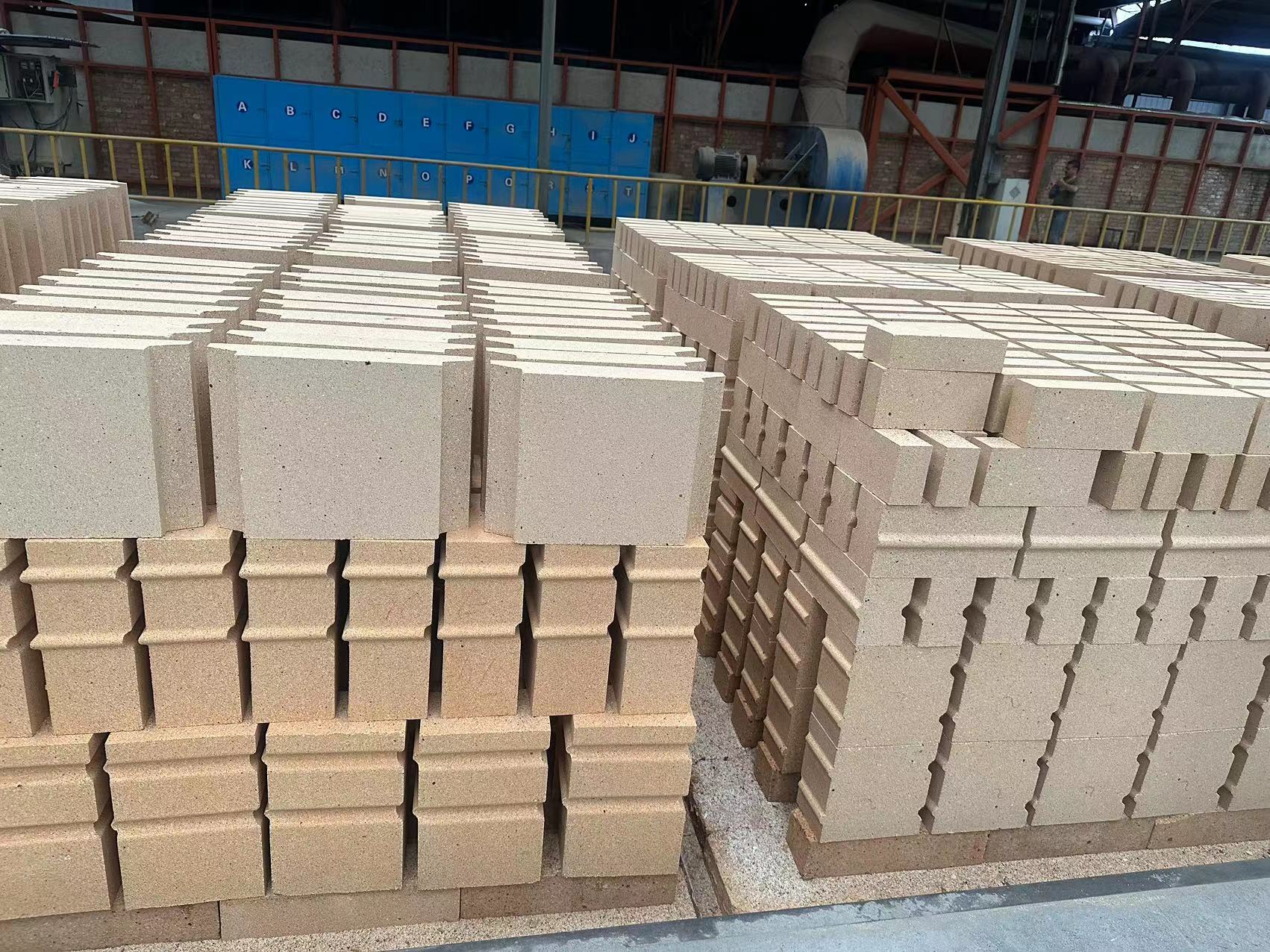
Industry innovation continues to push the performance of the refractory brick forward. Low-porosity, high-density formulations extend furnace campaign life. Spinel-bonded and nano-reinforced materials improve resistance to thermal shock and slag penetration. Eco-friendly binders and recycled aggregates reduce environmental impact during production. Digital furnace monitoring helps operators understand how the refractory brick behaves in real time, enabling predictive maintenance and optimized rebuild schedules.
A refractory brick remains one of the most important materials in thermal engineering. Its ability to resist heat, wear, and corrosion ensures safe and efficient industrial operations. As industrial processes evolve, the demand for higher-performance, longer-lasting, and more sustainable refractory brick solutions will continue to grow, reaffirming its role as a fundamental part of global high-temperature applications.
Related Products
Inquiry Now
Please leave your e-mail and we will contact you as soon as possible
+86-15264257623 Jacky Liu
1003, Building 1,The Fortune Zone, No.17 Lian yungang Road,Qingdao,China
For more details, welcome to message us.
Copyright © 2025 Qingdao laurent new materials co.,ltd.All Rights Reserved.
 Powered by HiCheng
contact us
Your satisfaction is our top priority. Whether you have questions, need support, or want to share feedback, our dedicated team is ready to assist you every step of the way.