Ceramic Fiber Insulation Blanket: High-Efficiency Thermal Protection for Industrial Systems
The ceramic fiber insulation blanket has become an essential material across industries that operate high-temperature equipment. Manufactured from high-purity alumina-silica fibers through a controlled spinning or blowing process, the ceramic fiber insulation blanket provides exceptional thermal stability while remaining lightweight and easy to handle. Its unique fiber structure gives it a combination of low thermal conductivity, flexibility, and strong resistance to thermal shock, making the ceramic fiber insulation blanket one of the most reliable choices for furnaces, kilns, boilers, heaters, and fire-protection systems.
The low thermal conductivity of the ceramic fiber insulation blanket is one of its most valuable characteristics. By minimizing heat loss, it significantly improves the overall energy efficiency of industrial systems. High-temperature facilities that experience frequent temperature cycling benefit greatly from this material’s low heat storage, as the ceramic fiber insulation blanket reduces warm-up time and lowers fuel usage. Whether it is used in metal heat-treatment furnaces, ceramic kilns, glass-melting equipment, or aluminum-processing lines, the ceramic fiber insulation blanket helps maintain uniform temperature distribution, ensuring stable product quality and consistent operational performance.
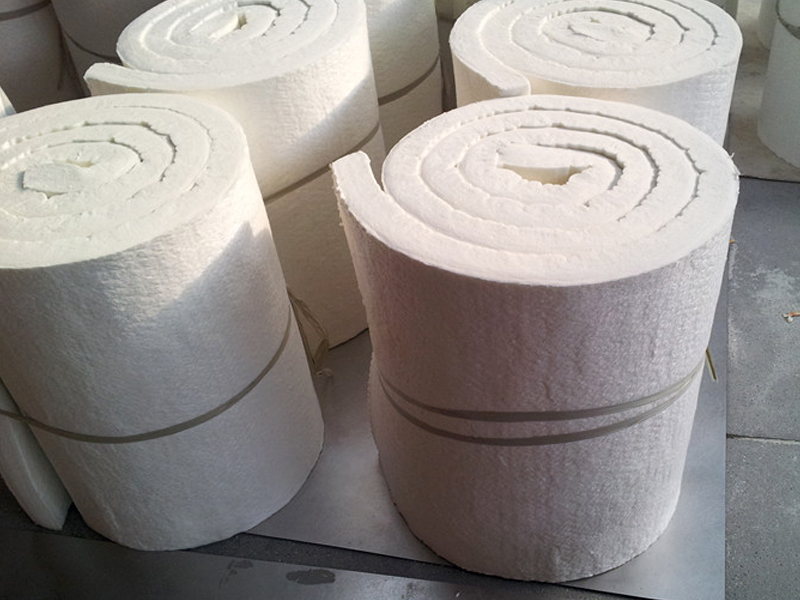
Durability in harsh operating environments is another reason industries depend on the ceramic fiber insulation blanket. The material contains no organic binders, meaning it produces no smoke or odor at elevated temperatures and does not become brittle after extended use. It resists most chemical attacks from acidic or alkaline gases generated during fuel combustion or metallurgical reactions. For industries that demand long-term insulation at continuous high temperatures—such as petrochemical reformers, cracking furnaces, and power-plant boilers—the ceramic fiber insulation blanket retains strength and structure even when exposed to direct hot-air flow or rapid thermal cycling.
The versatility of the ceramic fiber insulation blanket is enhanced by the availability of multiple temperature grades. Standard grades withstand temperatures around 1000°C, while high-purity and high-alumina varieties remain stable up to 1260°C. Zirconia-reinforced grades extend the capability to approximately 1430°C, making the ceramic fiber insulation blanket suitable for insulation layers in extreme thermal zones. Engineers apply it to furnace linings, burner blocks, duct insulation, kiln car structures, expansion joints, and high-temperature sealing applications. Its ability to conform to complex surfaces allows for customized insulation designs that traditional rigid refractories cannot achieve.
Aside from industrial furnace systems, the ceramic fiber insulation blanket also plays an important role in passive fire-protection engineering. It is classified as non-combustible and offers strong flame-penetration resistance, which makes it well suited for fire doors, fire ducts, cable tunnel protection, and steel-structure insulation. Because the ceramic fiber insulation blanket is extremely lightweight, it is easy to install on ceilings, walls, and curved surfaces where heavy materials are unsuitable. It provides both fire resistance and thermal protection without increasing structural load.
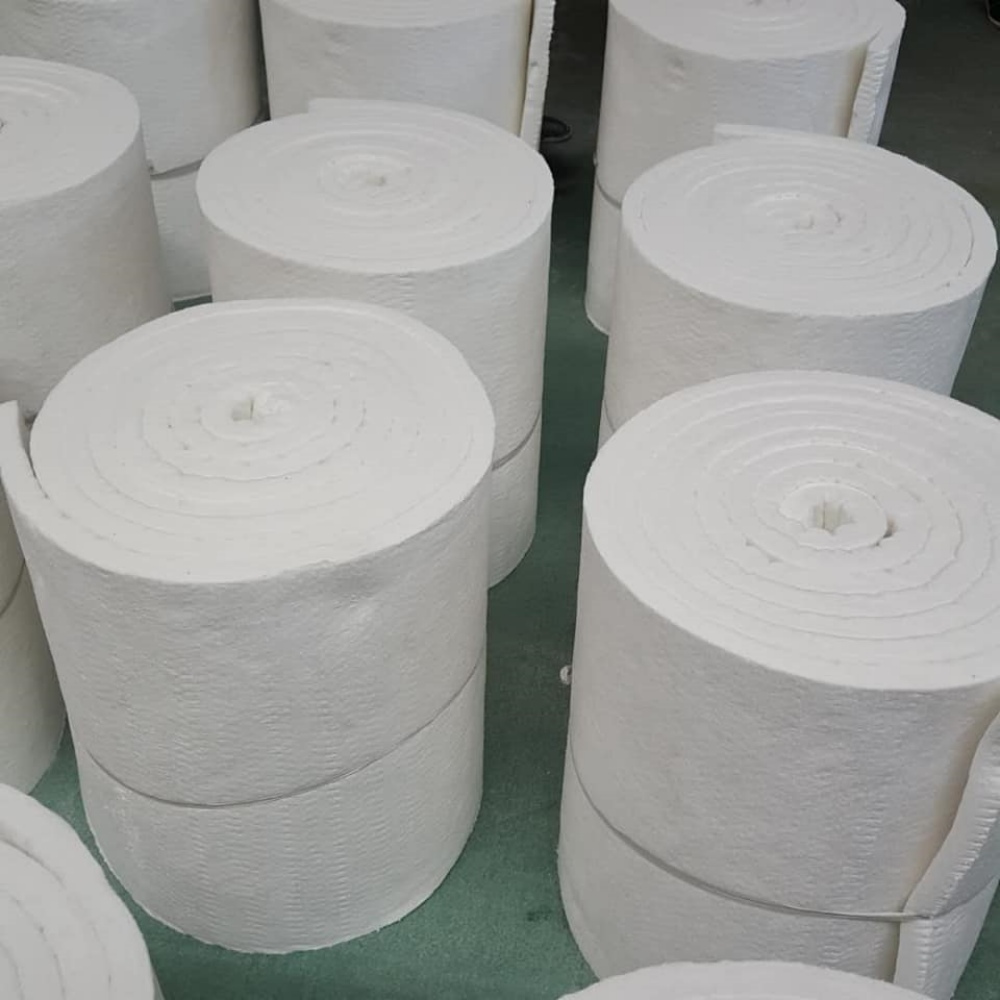
Maintenance efficiency is another benefit valued by industries using the ceramic fiber insulation blanket. The material exhibits minimal shrinkage even after long periods of high-temperature service, reducing the need for frequent repair or replacement. Thermal equipment lined with ceramic fiber insulation blanket typically experiences shorter downtimes and lower operational costs. Even after extended exposure, the fiber blanket maintains elasticity and insulation performance, offering long-term reliability.
Ongoing improvements in fiber production technology and material purity continue to strengthen the performance of the ceramic fiber insulation blanket. Modern manufacturing methods provide more uniform fiber distribution, higher tensile strength, and enhanced thermal stability. These advances support industrial sustainability goals by improving system efficiency and reducing energy consumption.
Today, the ceramic fiber insulation blanket is widely used in steelmaking, metallurgy, ceramics, glass production, petrochemical refining, power generation, and construction fire-safety projects. Its balance of lightweight construction, excellent thermal insulation, chemical resistance, and durability makes it an indispensable component of modern high-temperature engineering. As industries demand safer and more efficient insulation solutions, the ceramic fiber insulation blanket remains a foundational material for long-term thermal performance and operational reliability.
Related Products
Inquiry Now
Please leave your e-mail and we will contact you as soon as possible
+86-15264257623 Jacky Liu
1003, Building 1,The Fortune Zone, No.17 Lian yungang Road,Qingdao,China
For more details, welcome to message us.
Copyright © 2025 Qingdao laurent new materials co.,ltd.All Rights Reserved.
 Powered by HiCheng
contact us
Your satisfaction is our top priority. Whether you have questions, need support, or want to share feedback, our dedicated team is ready to assist you every step of the way.