Why Mullite Insulation Bricks Crack in High-Temperature Furnaces: Causes and Practical Solutions
Cracks in furnace insulation are a common repair issue in high-heat industrial equipment. Small cracks may seem harmless, but repeated heating and cooling can make them grow. Once the lining weakens, heat loss can rise and hot spots can form on the furnace shell.
Many operators first think the brick is poor quality. In practice, the cause is often more complex. Mullite insulation brick performance depends on the brick mix, furnace heat, heating and cooling cycles, mechanical load, install method, and the condition of the surrounding lining.
Finding the cause is more useful than just replacing damaged bricks.
A ceramic maker had repeated cracks in the insulation layer of a high-heat furnace.
The furnace worked well at first. After months of heating and cooling, cracks began to show in several lining areas. The damage grew, and the furnace shell ran hotter.
The maintenance team first planned to replace the damaged bricks with a thicker layer.
But the inspection showed that thickness was not the main issue.
The worst areas were near parts that saw big temperature swings during startup and shutdown. Some bricks were also under pressure from the nearby structure.
So the problem came from both heat stress and install conditions.
After the damaged sections were replaced and the install layout was changed, the furnace ran more steadily.
The customer's maintenance team later said: We thought the bricks were too thin. After checking the install and the temperature swings, we found heat stress was the real issue.
A mullite insulation brick is made to insulate in high-heat work while still staying stable. But no refractory material can fully avoid stress during repeated heating and cooling.
Several conditions can raise the crack risk.
When a furnace heats or cools too fast, different parts of the brick change temperature at different rates. This creates stress inside the brick.
Repeated cycles can slowly weaken the structure.
For furnaces that start and stop often, thermal cycling may matter more than the max operating temperature when you judge insulation performance.
Insulation bricks are lighter than dense refractory materials, but they can still crack under too much pressure.
If bricks are packed too tight, thermal expansion can add more stress.
Uneven support can also cause local load and cracking.
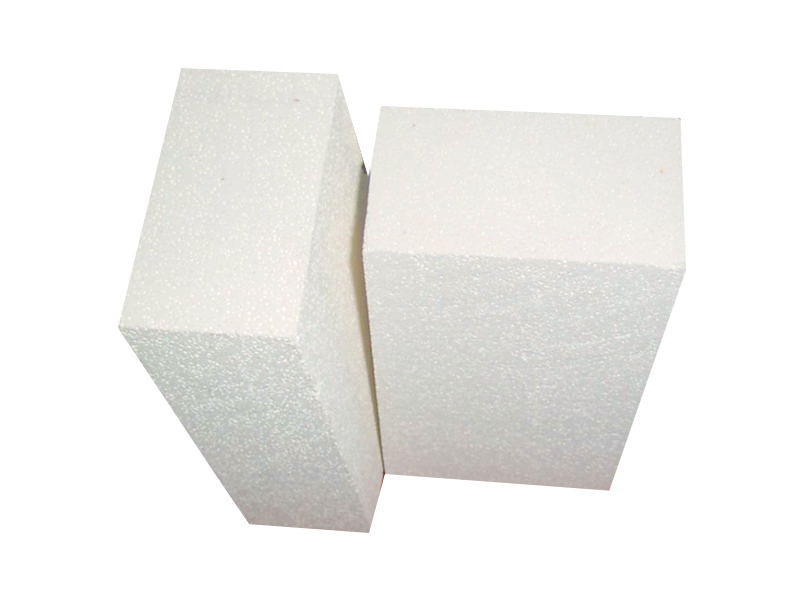
Even a good mullite insulating fire brick can fail early if install conditions are not right.
Common problems include:
Too much compression
Big gaps between bricks
Poor joint fit
Uneven support
Bad cutting
Not enough room for thermal movement
During maintenance, replacing the brick without fixing the install problem may lead to the same failure again.
A common buying habit is to choose insulation bricks only by their highest heat rating.
Temperature matters, but it should not be the only factor.
Before picking a mullite insulation brick, engineers should also look at:
Heating and cooling frequency
Mechanical load
Furnace atmosphere
Needed insulation thickness
Install locati0n
Expected service life
Heat flow
In some hot zones, engineers may compare a mullite insulation brick with a magnesia spinel refractory brick to balance heat resistance and strength.
For example, a furnace that runs at a modest heat level but cycles often may put more stress on its lining than a furnace that runs nonstop at a higher, steadier heat.
That is why the work cycle should be checked before material selection.
Another common question is whether thicker insulation always works better.
Not always.
More thickness can improve heat resistance, but furnace space may be tight. Too much thickness can also make it harder to fit around doors, burners, pipes, and frame parts.
The better method is to set the needed insulation target first. Then choose the right thickness.
In one project, the customer wanted to add thickness across the whole furnace. After the equipment layout was reviewed, the technical team found several spots where extra thickness would block existing parts.
The final fix focused on the zones with the most heat loss, not on making every part thicker.
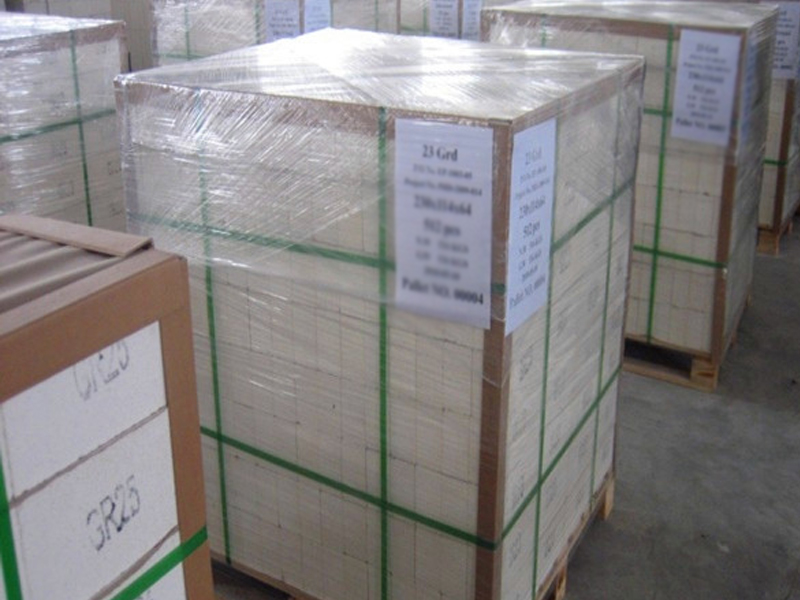
For industrial buyers, choosing reliable mullite insulating brick manufacturers takes more than a price check.
Useful facts include:
Bulk density
Heat flow
Heat limit
Mechanical strength
Shape stability
Available sizes
Custom production ability
Quality consistency
Field experience matters too.
A supplier should discuss the customer's furnace conditions, not just hand over a standard spec sheet.
Questions about operating heat, heating cycles, install locati0n, and load can help show whether a grade is a good fit.
When cracks are found, replacing the whole insulation layer is not always needed.
First, identify:
Where the cracks are.
Whether the cracks follow joints or cross the bricks.
When the cracks show up during use.
Whether the nearby structure is pushing on the lining.
Whether the furnace shell temperature has changed.
The crack pattern can tell you a lot about the cause.
If cracks keep showing near expansion zones, thermal movement may be the cause. If damage is near support points, mechanical load should be checked. If cracking is near the furnace entry, fast temperature change may be a factor.
This kind of check can stop repeat repairs that do not fix the root cause.
Cracking does not always mean that a mullite insulation brick is the wrong choice. In many industrial furnaces, early damage comes from a mix of thermal cycling, mechanical stress, install conditions, and material choice.
The best approach is to find the real cause before you choose replacement materials.
For high-heat furnace work, the right mullite insulating fire brick should match the actual work setting. Experienced mullite insulating brick manufacturers should also give technical data and use guidance.
If your furnace is losing heat or showing repeat cracks, contact a technical insulation specialist to review your operating conditions before choosing replacement materials.
Good insulation is not just about a higher-rated material. It is about a stable system that can handle the furnace's real work conditions over time.
The same principle also explains how pipe insulation jackets help reduce heat loss: fit, thickness, and install quality matter more than rating alone.
Related Products
Inquiry Now
Please leave your e-mail and we will contact you as soon as possible
+86-15264257623 Jacky Liu
1003, Building 1,The Fortune Zone, No.17 Lian yungang Road,Qingdao,China
For more details, welcome to message us.
Copyright © 2025 Qingdao laurent new materials co.,ltd.All Rights Reserved.
 Powered by HiCheng
contact us
Your satisfaction is our top priority. Whether you have questions, need support, or want to share feedback, our dedicated team is ready to assist you every step of the way.