Ceramic Fiber Insulation: High-Temperature Thermal Protection Solution for Industrial Applications
In high-temperature industrial fields, ceramic fiber insulation is widely used as an advanced thermal protection material for furnaces, kilns, boilers, and heat treatment equipment. With excellent temperature resistance, low thermal conductivity, and lightweight characteristics, it helps industries reduce heat loss, improve energy efficiency, and maintain stable operating conditions. Compared with traditional refractory materials, ceramic wool insulation provides lower heat storage and faster thermal response, making it especially suitable for equipment requiring frequent heating and cooling cycles. Professional ceramic fiber manufacturers focus on improving fiber quality, density control, and product consistency to meet the different requirements of industrial applications.
Ceramic fiber insulation is produced from high-purity alumina-silica materials through melting, fiberizing, and processing technologies. The resulting fibers form a lightweight structure with a large amount of air space, which effectively reduces heat transfer while maintaining excellent thermal stability.
Unlike heavy refractory materials, ceramic wool insulation offers significant advantages in applications where reducing furnace weight and improving heating efficiency are important. Its low thermal mass allows industrial equipment to reach operating temperatures faster, reducing startup time and energy consumption.
The main performance characteristics of ceramic fiber insulation include:
Excellent resistance to high temperatures and thermal shock
Low thermal conductivity for effective heat preservation
Lightweight structure with reduced heat storage
Good flexibility and easy installation
Stable performance during repeated heating and cooling cycles
Experienced ceramic fiber manufacturers usually adjust fiber composition, density, and production methods according to different temperature grades and application requirements, ensuring reliable performance in various industrial environments.
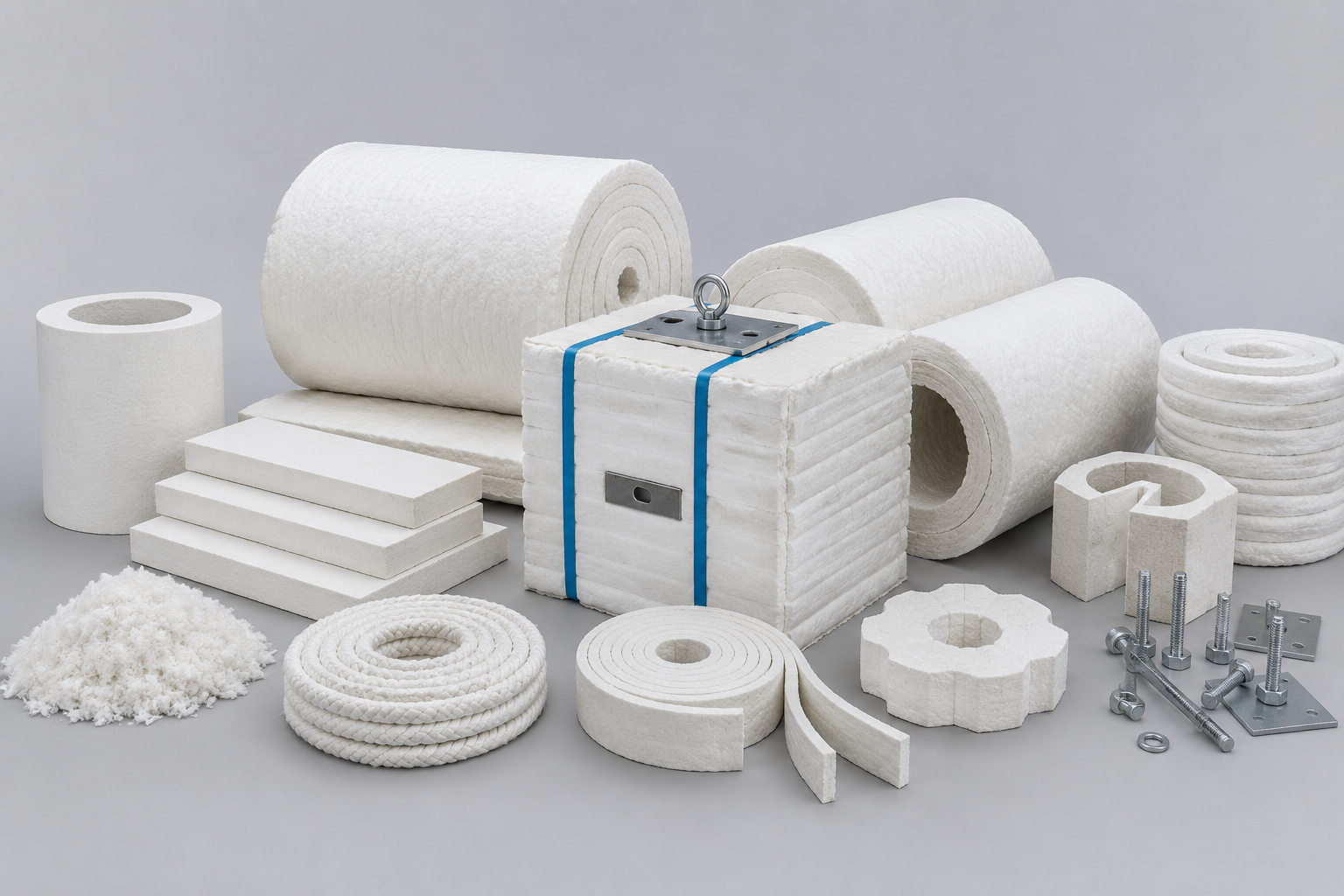
The quality of ceramic fiber insulation depends heavily on raw material purity, fiber formation technology, and production control. During manufacturing, alumina and silica raw materials are melted at high temperatures and converted into fine ceramic fibers through spinning or blowing processes. These fibers are then processed into blankets, boards, modules, papers, and other insulation products.
Professional ceramic fiber manufacturers pay close attention to fiber diameter distribution, shot content, density uniformity, and thermal shrinkage rate. These factors directly influence long-term performance when the material is exposed to continuous high temperatures.
In practical engineering applications, inconsistent fiber quality may cause uneven shrinkage or reduced insulation efficiency after long-term operation. Therefore, experienced suppliers usually provide materials with stable density and controlled thermal performance to ensure reliable service life.
Field experience shows that the installation method has a significant impact on the performance of ceramic fiber insulation. Before installation, the supporting surface must be cleaned and prepared to prevent gaps between insulation layers. Even small gaps can create heat leakage paths and reduce overall insulation efficiency.
For furnace lining projects, installers usually select different fixing methods according to product type. Ceramic fiber modules may be fixed with anchors, while blanket products are commonly installed with pins or adhesives. Proper compression during installation is also important because excessive compression can reduce insulation performance, while insufficient fixing may cause material displacement during operation.
In one industrial furnace maintenance project, the original insulation layer suffered from heat leakage caused by loose installation and poor joint alignment. After replacing the damaged sections with properly installed ceramic fiber insulation, the furnace shell temperature decreased noticeably, and temperature distribution became more uniform. The project demonstrated that correct installation and material selection are equally important for achieving long-term thermal performance.
Ceramic fiber insulation is widely used in steel, ceramic, glass, petrochemical, power generation, and heat treatment industries. In steel reheating furnaces, it is commonly applied to furnace roofs, walls, and doors to reduce heat loss and improve thermal efficiency. In ceramic kilns, ceramic wool insulation helps maintain stable temperature conditions during repeated firing cycles while reducing heat storage during shutdown periods.
In petrochemical heaters, high-quality insulation materials are required to withstand continuous high-temperature operation and chemical exposure. Professional ceramic fiber manufacturers often provide customized solutions with different densities and temperature grades to match specific furnace structures and operating conditions.
For maintenance projects, ceramic fiber insulation is also widely preferred because of its lightweight design and easy installation. Compared with traditional refractory bricks, it can reduce downtime during repairs and allow faster restoration of furnace operation.
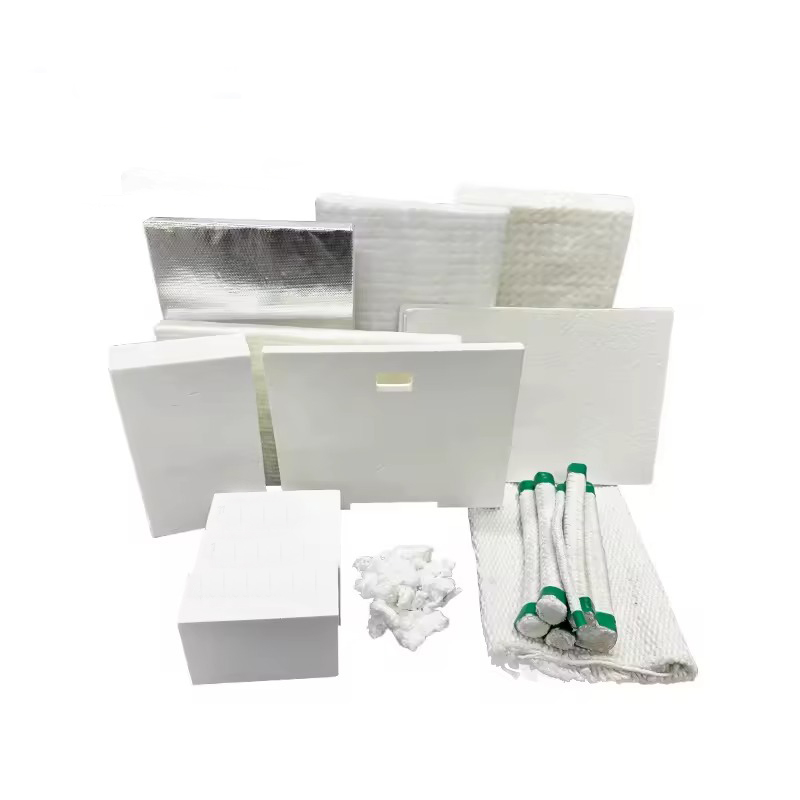
When selecting ceramic fiber insulation, engineers typically consider working temperature, atmosphere conditions, mechanical requirements, and installation method. Different products are selected according to application needs, including ceramic fiber blanket, module, board, paper, and textile forms.
The reliability of ceramic wool insulation depends not only on temperature resistance but also on fiber quality, density stability, and thermal shrinkage performance. Low-quality materials may show increased shrinkage after long-term exposure, affecting insulation efficiency and equipment safety.
Working with experienced ceramic fiber manufacturers allows users to obtain suitable material recommendations based on actual operating conditions rather than selecting products only according to temperature ratings. Proper material matching can improve energy efficiency and reduce maintenance frequency.
In modern industrial thermal applications, ceramic fiber insulation has become an important solution for improving energy efficiency and protecting high-temperature equipment. Its combination of lightweight structure, excellent insulation performance, and thermal stability makes it suitable for a wide range of industrial environments.
Through continuous improvement in fiber technology and manufacturing processes, professional ceramic fiber manufacturers continue to develop more efficient insulation products for demanding applications. With correct selection, professional installation, and proper maintenance, ceramic wool insulation can provide stable long-term performance, reduce heat loss, and improve the reliability of industrial heating equipment.
Related Products
Inquiry Now
Please leave your e-mail and we will contact you as soon as possible
+86-15264257623 Jacky Liu
1003, Building 1,The Fortune Zone, No.17 Lian yungang Road,Qingdao,China
For more details, welcome to message us.
Copyright © 2025 Qingdao laurent new materials co.,ltd.All Rights Reserved.
 Powered by HiCheng
contact us
Your satisfaction is our top priority. Whether you have questions, need support, or want to share feedback, our dedicated team is ready to assist you every step of the way.