Calcium Silicate Pipe for Petrochemical Industry: Reliable High Temperature Insulation Pipe Solution
In the petrochemical industry, pipelines are one of the most important parts of production facilities. Many process pipes transport steam, hot oil, hydrocarbons, and other high-temperature fluids under continuous operating conditions. Maintaining stable pipeline temperature is essential for production efficiency, equipment safety, and energy conservation.
Calcium silicate pipe has become a widely used insulation material for petrochemical pipelines because of its excellent thermal insulation performance, high mechanical strength, and long-term stability under harsh industrial conditions. As a high temperature insulation pipe, it helps reduce heat loss, prevent condensation, protect workers from hot surfaces, and maintain the required temperature of process media.
Compared with flexible insulation materials, calcium silicate pipe provides a rigid and durable structure that can withstand the demanding environments commonly found in petrochemical plants, including outdoor installation, vibration, mechanical impact, and long-term exposure to elevated temperatures.
Challenges of Pipeline Insulation in Petrochemical Plants
Petrochemical facilities usually operate continuously for long periods, and pipeline insulation must remain stable throughout the production cycle. However, many plants experience insulation problems after years of operation.
One common issue is heat loss caused by insulation degradation. Steam pipelines, thermal oil pipelines, and high-temperature process lines continuously release heat when insulation performance decreases. This not only increases energy consumption but may also affect process stability.
Another challenge is mechanical damage. Petrochemical plants contain complex pipe networks with frequent maintenance activities. During inspection, repair, or equipment replacement, insulation layers may be damaged by impact or improper handling.
Moisture penetration is another major concern, especially for outdoor pipelines. Once water enters the insulation layer, thermal conductivity increases significantly, reducing the effectiveness of pipe insulation and potentially causing corrosion under insulation.
Based on practical project experience, selecting an insulation material with high mechanical strength and good moisture resistance is essential for long-term petrochemical applications.
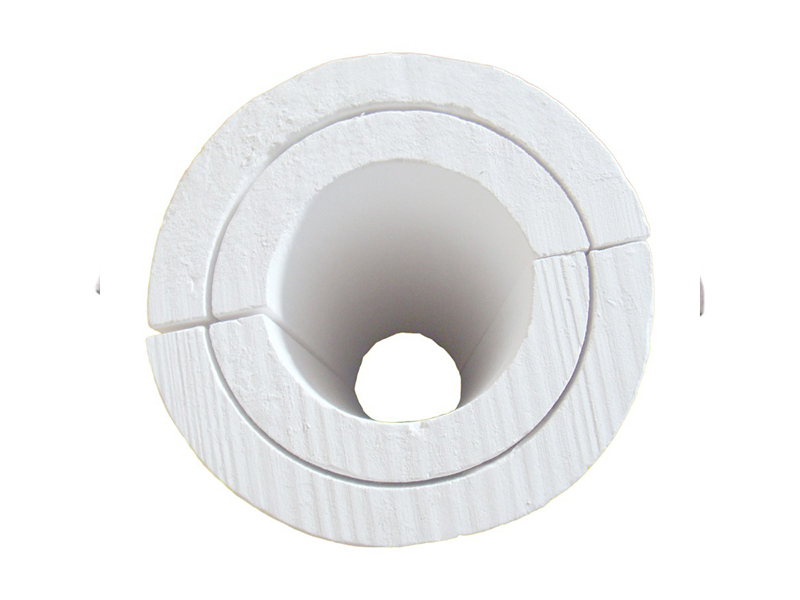
Why Calcium Silicate Pipe Is Suitable for Petrochemical Applications
Calcium silicate pipe is designed to meet the demanding requirements of industrial pipeline insulation. Its rigid structure provides excellent support around pipes while maintaining stable thermal performance.
In petrochemical plants, calcium silicate pipe offers several important advantages:
Stable performance under continuous high temperature
Many petrochemical pipelines operate at elevated temperatures for extended periods. Calcium silicate pipe maintains its insulation properties during long-term exposure, helping reduce heat loss from process lines.
Excellent mechanical strength
During plant operation, pipelines may experience vibration, maintenance activities, and external impact. The strong structure of calcium silicate pipe reduces deformation and helps maintain insulation thickness.
Reliable thermal protection
High-temperature process pipelines require effective insulation to maintain operating conditions. The low thermal conductivity of calcium silicate pipe helps minimize heat transfer between the pipeline and surrounding environment.
Improved workplace safety
Uninsulated hot pipes can create safety risks for operators. Installing calcium silicate pipe reduces external surface temperature and provides better protection for personnel working near process equipment.
Easy installation and maintenance
Because calcium silicate pipe is manufactured into prefabricated sections, installers can quickly fit the insulation around different pipe diameters. Damaged sections can also be replaced individually during maintenance.
Practical Application Case: Steam Pipeline Insulation in a Petrochemical Plant
A petrochemical plant faced increasing energy consumption after several years of operation. Inspection showed that the insulation performance of some steam pipelines had decreased due to aging and moisture absorption. The external temperature of several pipe sections was higher than expected, resulting in unnecessary heat loss.
After analyzing the operating conditions, the engineering team selected calcium silicate pipe as the replacement insulation material. The new insulation design considered pipeline temperature, pipe diameter, outdoor exposure, and maintenance requirements.
During calcium silicate pipe installation, special attention was paid to several details. The pipe sections were tightly fitted to minimize gaps, joints were arranged in a staggered pattern to reduce direct heat leakage paths, and the outer protection layer was properly installed to prevent moisture penetration.
After the renovation was completed, the surface temperature of the insulated pipelines decreased significantly. The plant achieved better heat retention performance, reduced energy waste, and improved working conditions around the pipeline area.
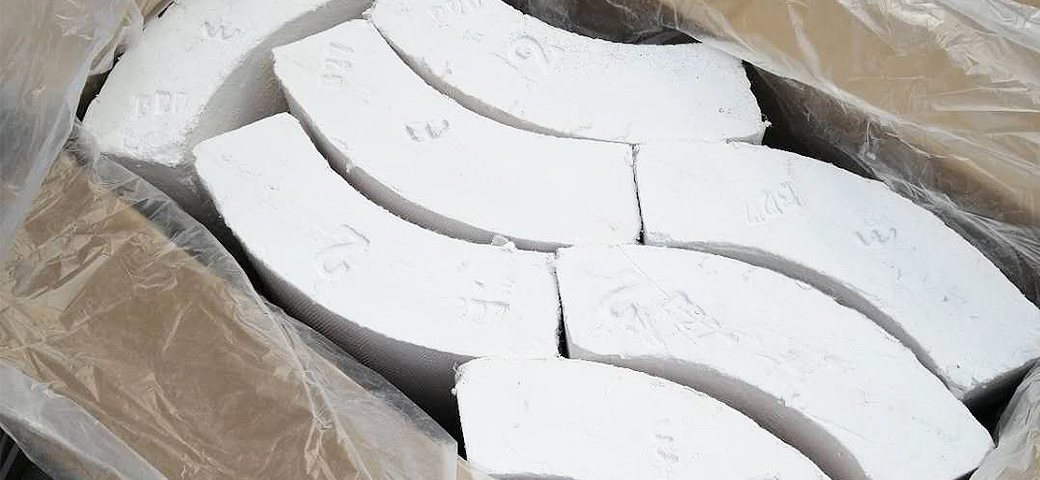
How to Select Calcium Silicate Tube for Petrochemical Pipelines
In international markets, calcium silicate tube is another commonly used term for tubular calcium silicate insulation products. Selecting the correct product requires consideration of actual operating conditions.
The first factor is pipeline temperature. Different process lines may operate at different temperature levels, so the insulation grade should match the actual working environment.
The second factor is insulation thickness. A thicker calcium silicate tube provides better thermal protection, but the optimal thickness depends on heat loss requirements, available installation space, and project standards.
The third factor is installation environment. Outdoor petrochemical pipelines require additional protection against rain, humidity, and mechanical damage. Proper external covering can significantly extend the service life of the insulation layer.
The fourth factor is maintenance requirements. Areas with frequent inspection or repair activities may require insulation designs that allow easier replacement of individual sections.
Professional Experience in Calcium Silicate Pipe Installation
In petrochemical projects, insulation performance depends not only on material selection but also on installation quality. Even high-performance insulation materials cannot achieve expected results if installation details are ignored.
Common installation mistakes include loose fitting between pipe sections, insufficient joint sealing, and incorrect thickness selection. These problems can create heat leakage points and reduce overall insulation efficiency.
Experienced installers usually inspect pipe dimensions carefully before installation, prepare accurate cutting plans, and ensure tight connections between each calcium silicate pipe section.
For large petrochemical facilities, proper insulation planning during the design stage can reduce future maintenance costs and improve long-term operational reliability.
The Long-Term Value of Calcium Silicate Pipe in Petrochemical Industry
For petrochemical companies, pipeline insulation is not simply a construction requirement but an important part of energy management and operational safety.
Calcium silicate pipe provides a practical solution for high-temperature pipeline applications by combining thermal insulation performance, mechanical durability, and installation convenience. It helps petrochemical plants maintain process temperatures, reduce energy losses, and protect equipment and workers.
With proper product selection and professional installation, calcium silicate pipe can provide reliable performance throughout long operating cycles, making it a valuable insulation choice for steam lines, process pipelines, and other high-temperature applications in the petrochemical industry.
Related Products
Inquiry Now
Please leave your e-mail and we will contact you as soon as possible
+86-15264257623 Jacky Liu
1003, Building 1,The Fortune Zone, No.17 Lian yungang Road,Qingdao,China
For more details, welcome to message us.
Copyright © 2025 Qingdao laurent new materials co.,ltd.All Rights Reserved.
 Powered by HiCheng
contact us
Your satisfaction is our top priority. Whether you have questions, need support, or want to share feedback, our dedicated team is ready to assist you every step of the way.