High Density Calcium Silicate Board: High-Temperature Industrial Insulation Solution
In modern thermal engineering systems, high density calcium silicate board is widely used as a rigid insulation material for furnaces, boilers, and petrochemical equipment. It provides excellent compressive strength, low thermal conductivity, and long-term dimensional stability under continuous high-temperature conditions. In advanced applications, reinforced calcium silicate is commonly adopted to improve mechanical performance, while carbon fiber insulation board is used in special zones requiring higher impact resistance and thermal cycling stability.
High density calcium silicate board is manufactured from calcium silicate hydrates formed under high-pressure and autoclave curing processes, resulting in a rigid and uniform structure. This structure gives the board strong load-bearing capability and stable thermal insulation performance. Compared with standard insulation materials, reinforced calcium silicate integrates mineral or fiber reinforcement to improve crack resistance and flexural strength. In more demanding environments, carbon fiber insulation board further enhances resistance to vibration and thermal shock, making it suitable for extreme industrial conditions. Key properties of high density calcium silicate board include low thermal conductivity, high compressive strength, excellent dimensional stability, and resistance to thermal cycling and mechanical vibration.
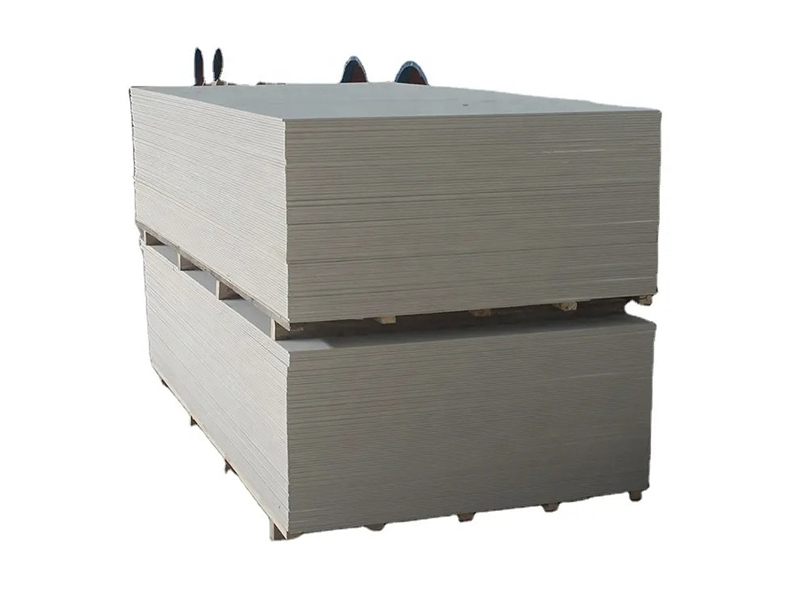
Field experience shows that installation quality is critical to the performance of high density calcium silicate board. Before installation, the substrate must be leveled and cleaned to ensure full contact, as even small gaps can create thermal bridges and reduce insulation efficiency. During installation, reinforced calcium silicate boards must be carefully cut and handled to avoid edge cracking, and mechanical fastening combined with high-temperature adhesive is typically used to ensure stability. In practical engineering work, improper joint alignment in carbon fiber insulation board sections once caused localized heat leakage in a furnace retrofit project; after re-cutting and improving installation accuracy, the system achieved stable thermal distribution and improved efficiency, highlighting the importance of precise fitting in high density calcium silicate board applications.
In real industrial applications, high density calcium silicate board has been used across steel, boiler, and petrochemical systems. In a steel heat treatment furnace, it was applied as backup insulation behind refractory brick lining, significantly reducing shell temperature, while reinforced calcium silicate improved stability under continuous thermal cycling. In an industrial boiler, high density calcium silicate board was used for wall insulation to reduce heat loss, with reinforced materials applied in load-bearing zones and carbon fiber insulation board used in high-stress areas to improve vibration resistance. In a petrochemical furnace upgrade, the combination of these materials improved structural integrity and long-term operational reliability under frequent heating and cooling cycles.
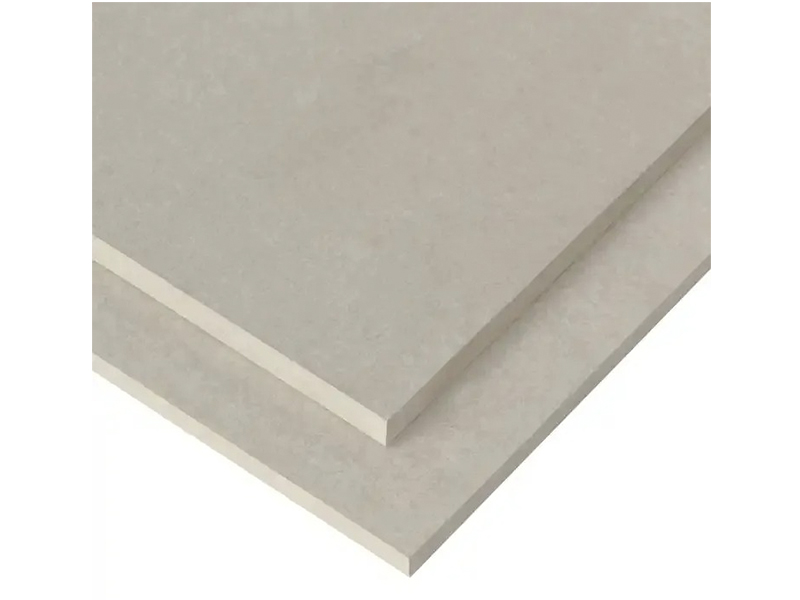
When selecting high density calcium silicate board, engineers evaluate temperature rating, compressive strength, and installation environment. Reinforced calcium silicate is preferred for areas requiring higher mechanical durability, while carbon fiber insulation board is used in extreme stress or vibration zones. In practical furnace design, high density calcium silicate board is typically used as the main insulation layer, with reinforced or carbon fiber-enhanced materials applied in critical areas to optimize performance and service life.
In long-term operation, high density calcium silicate board remains a reliable insulation solution due to its rigidity and thermal stability. Combined with reinforced calcium silicate and carbon fiber insulation board, it forms a robust insulation system capable of maintaining stable performance under harsh industrial conditions while effectively reducing energy loss.
Related Products
Inquiry Now
Please leave your e-mail and we will contact you as soon as possible
+86-15264257623 Jacky Liu
1003, Building 1,The Fortune Zone, No.17 Lian yungang Road,Qingdao,China
For more details, welcome to message us.
Copyright © 2025 Qingdao laurent new materials co.,ltd.All Rights Reserved.
 Powered by HiCheng
contact us
Your satisfaction is our top priority. Whether you have questions, need support, or want to share feedback, our dedicated team is ready to assist you every step of the way.