How to Select Refractory Brick for Steel Furnace Applications
Steel furnaces operate under high temperatures and harsh working conditions. Their linings face molten steel, slag, thermal shock, and mechanical wear. Choosing the right refractory brick for steel furnace applications helps protect equipment and reduce maintenance costs.
Different furnace areas need different refractory materials. High alumina bricks, magnesia bricks, and magnesia-carbon bricks are common choices in steel production. Wear resistant bricks are also important in areas exposed to impact and abrasion.
This article explains common refractory brick types, their applications, and key points to consider when selecting materials for steel furnaces.
Refractory bricks protect furnace walls, bottoms, and other hot areas. They help maintain the lining under high temperatures and chemical attack.
During steel production, refractory linings may face several conditions:
High temperatures and repeated heating
Contact with molten steel and slag
Chemical corrosion
Thermal shock during heating and cooling
Mechanical impact and surface wear
These conditions can cause cracks, erosion, and material loss. The damage also varies by furnace area. For this reason, buyers should select refractory bricks according to the actual working conditions, not temperature alone.
Different materials offer different properties. The right choice depends on the furnace type and lining position.
High alumina bricks contain alumina as their main component. They offer good strength and high-temperature resistance.
They are used in selected furnace linings, heating furnaces, and some areas of steel ladles. Their performance depends on alumina content, porosity, strength, and the working environment.
Magnesia bricks are mainly made from magnesium oxide (MgO). They are suitable for some areas exposed to basic slag and high temperatures.
They are commonly used in basic steelmaking equipment. The required grade depends on slag composition and operating conditions.
Magnesia-carbon bricks combine magnesia and carbon. They offer good resistance to slag attack and thermal shock.
They are widely used in demanding areas of electric arc furnaces, basic oxygen furnaces, and steel ladles. They are especially useful in areas where slag corrosion is a major concern. [1]
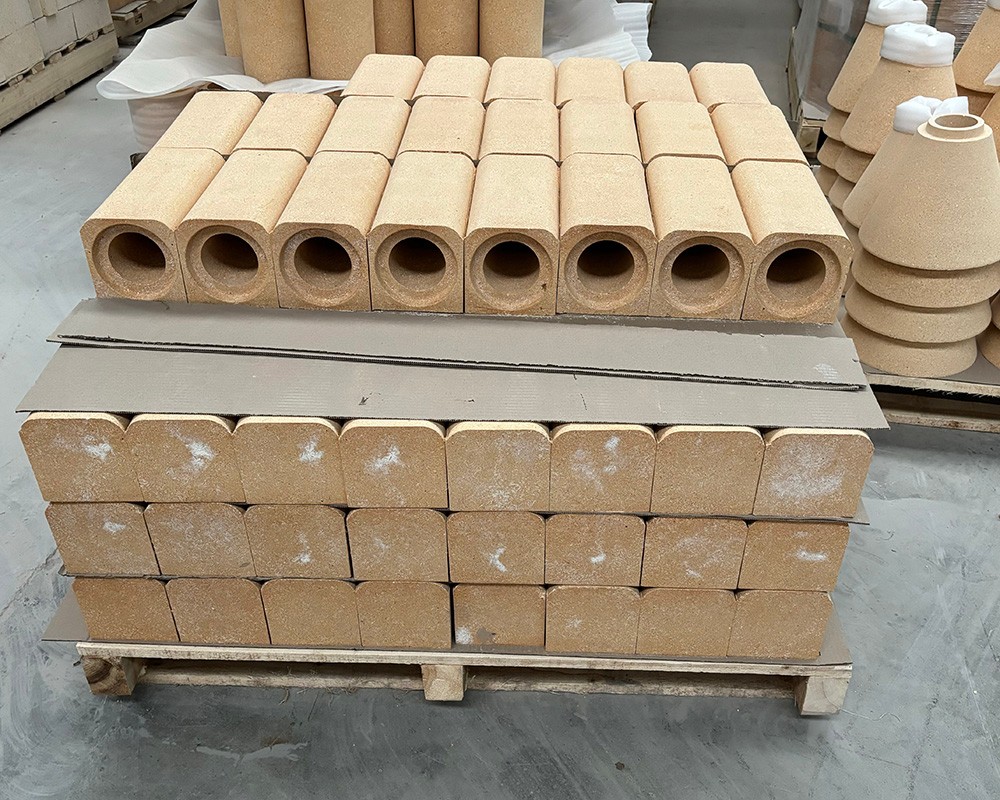
Cast steel brick is a keyword used in searches related to steel casting. In this application, it is important to identify the exact product type. Steel-pouring bricks, also called flow bricks in some applications, are refractory components used to guide molten steel through a pouring channel.
They are used in steel casting and molten steel transfer processes. These bricks need to withstand direct contact with hot metal, rapid temperature changes, and erosion from flowing steel.
Important properties include:
High-temperature resistance
Good thermal shock resistance
Resistance to molten steel erosion
Low porosity and good structural stability
Suitable dimensions for the pouring channel
The correct material and shape depend on the casting process and equipment design. Buyers should provide drawings and working conditions when requesting a quotation. [2]
Wear resistant bricks are used in areas exposed to mechanical impact, abrasion, or flowing materials. However, wear resistance is only one part of refractory performance.
Different furnace areas may require different materials.
Furnace walls face high temperatures and may come into contact with slag. High alumina or magnesia-based bricks can be considered according to the furnace type and slag chemistry.
The furnace bottom must withstand heat, impact, and chemical attack. Magnesia-based bricks are used in some basic steelmaking furnace bottoms. The final choice depends on the furnace design and working conditions.
Steel ladles transport molten steel between production stages. Their linings face high temperatures, slag corrosion, and repeated heating and cooling.
Magnesia-carbon and alumina-magnesia-carbon bricks are used in different ladle areas. The slag line and impact zone may need materials with stronger corrosion and wear resistance. Different materials can be used in different zones to control overall lining costs. [1][3]
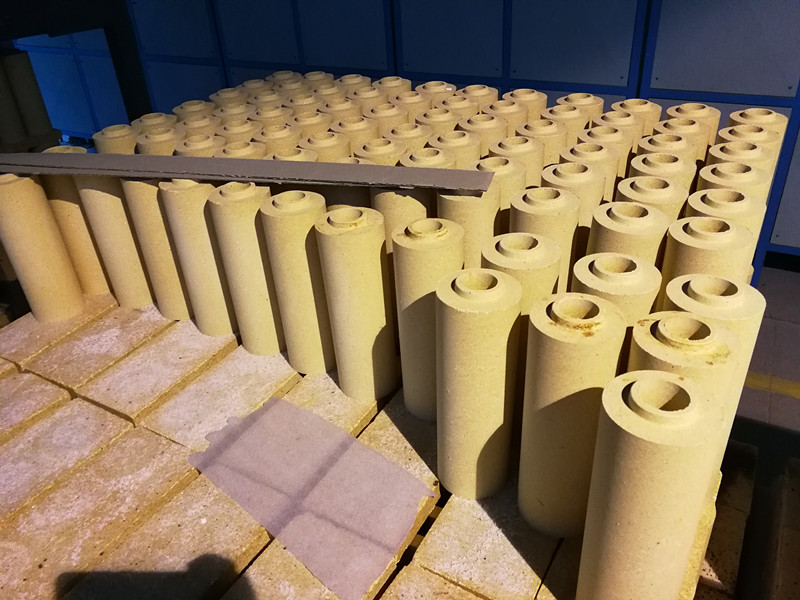
Before purchasing refractory brick for steel furnace applications, buyers should understand the equipment and working conditions.
Consider the following points:
Furnace type and lining position
Maximum operating temperature
Slag and chemical composition
Contact with molten steel
Mechanical impact and abrasion
Heating and cooling frequency
Required brick dimensions and quantity
Ask suppliers for technical data sheets and test results. Important information includes chemical composition, bulk density, apparent porosity, and cold crushing strength.
It is also useful to check the damage to the existing lining. If bricks wear too quickly, identify the main cause before changing the material. The problem may come from slag corrosion, thermal shock, mechanical wear, or installation conditions.
A clear technical specification helps suppliers recommend suitable materials and prepare accurate quotations.
Selecting the right refractory brick for steel furnace applications requires more than checking temperature resistance. High alumina bricks, magnesia bricks, and magnesia-carbon bricks have different properties and uses.
Wear resistant bricks can help protect areas exposed to impact and abrasion. Cast steel bricks and steel-pouring bricks serve a different purpose in molten steel flow and casting operations.
The right choice depends on furnace design, slag conditions, temperature changes, and mechanical wear. Contact Laurel with your furnace type, working conditions, and product requirements to discuss suitable refractory materials.
[1] Calvo, W. A., Pena, P., and Tomba Martinez, A. G. (2019). Post-mortem analysis of alumina-magnesia-carbon refractory bricks used in steelmaking ladles. Ceramics International, Volume 45, Issue 1, Pages 185–196.
[2] Development of High-Performance Mullite Steel-Pouring Brick. Materials (2026). Research on steel-pouring brick applications and performance requirements.
[3] U.S. International Trade Commission. Certain Magnesia Carbon Bricks. Technical information on magnesia-carbon brick applications in steel furnaces and ladles.
Related Products
Inquiry Now
Please leave your e-mail and we will contact you as soon as possible
+86-15264257623 Jacky Liu
1003, Building 1,The Fortune Zone, No.17 Lian yungang Road,Qingdao,China
For more details, welcome to message us.
Copyright © 2025 Qingdao laurent new materials co.,ltd.All Rights Reserved.
 Powered by HiCheng
contact us
Your satisfaction is our top priority. Whether you have questions, need support, or want to share feedback, our dedicated team is ready to assist you every step of the way.