AZS Brick in Action: Real Applications Across Glass and High-Temperature Industries
AZS brick continues to play a critical role in modern high-temperature operations. As industries push for longer furnace campaigns and higher output, AZS brick is increasingly selected for its durability and corrosion resistance. In sectors where molten materials and aggressive environments are common, AZS brick delivers stable performance and reliable protection.
In the glass manufacturing industry, AZS brick is a standard material for furnace linings. Glass tanks operate continuously, often for several years without shutdown. Under these conditions, AZS brick must withstand constant exposure to molten glass and high temperatures. The structure of AZS brick, which combines alumina, zirconia, and silica, allows it to resist glass corrosion effectively. AZS brick is widely installed in critical zones such as sidewalls, throats, and refiner sections, where erosion risk is highest.
The performance of AZS brick becomes especially important in float glass production lines. In these systems, molten glass flows steadily through channels that require consistent thermal conditions. AZS brick helps maintain the shape and integrity of these channels. Engineers prefer AZS brick in these areas because it reduces contamination and minimizes defects in the final glass product. Stable operation depends heavily on the consistent behavior of AZS brick under thermal stress.
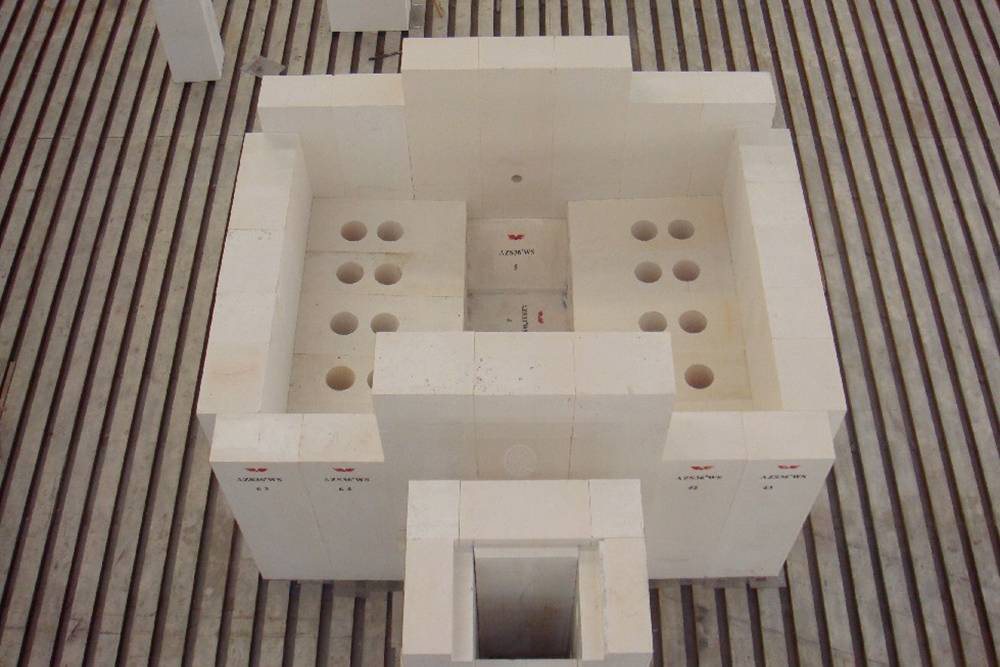
Beyond glass furnaces, AZS brick is also applied in electric melting furnaces. These furnaces reach extremely high temperatures in shorter cycles. AZS brick provides the resistance needed to handle rapid heating and cooling. Thermal shock can damage many refractory materials, but AZS brick maintains its structure due to its dense composition. In these applications, AZS brick supports both efficiency and equipment longevity.
Waste incineration plants represent another important application for AZS brick. These facilities process materials that generate corrosive gases and slags. AZS brick is used in areas exposed to chemical attack, where conventional refractory materials may fail. The zirconia content in AZS brick improves its resistance to aggressive compounds. As a result, AZS brick extends the service life of incineration equipment and reduces maintenance frequency.
In non-ferrous metal processing, AZS brick is used in furnaces that handle materials such as copper and aluminum. These processes involve molten metals that can react with refractory linings. AZS brick provides a stable barrier, preventing contamination and maintaining product purity. Operators choose AZS brick to ensure consistent output and to reduce the risk of unplanned downtime.
AZS brick is also found in petrochemical equipment that operates at elevated temperatures. Reactors and cracking units often require materials that can handle both heat and chemical exposure. AZS brick performs well in these conditions. Its resistance to wear and corrosion makes AZS brick suitable for long-term operation in demanding industrial environments.
Different grades of AZS brick are used depending on the application. AZS 33, AZS 36, and AZS 41 refer to the zirconia content within the brick. Higher zirconia levels provide improved corrosion resistance but may affect thermal expansion behavior. Engineers select AZS brick grades carefully to match the specific conditions of each furnace. This selection process ensures that AZS brick delivers optimal performance over time.
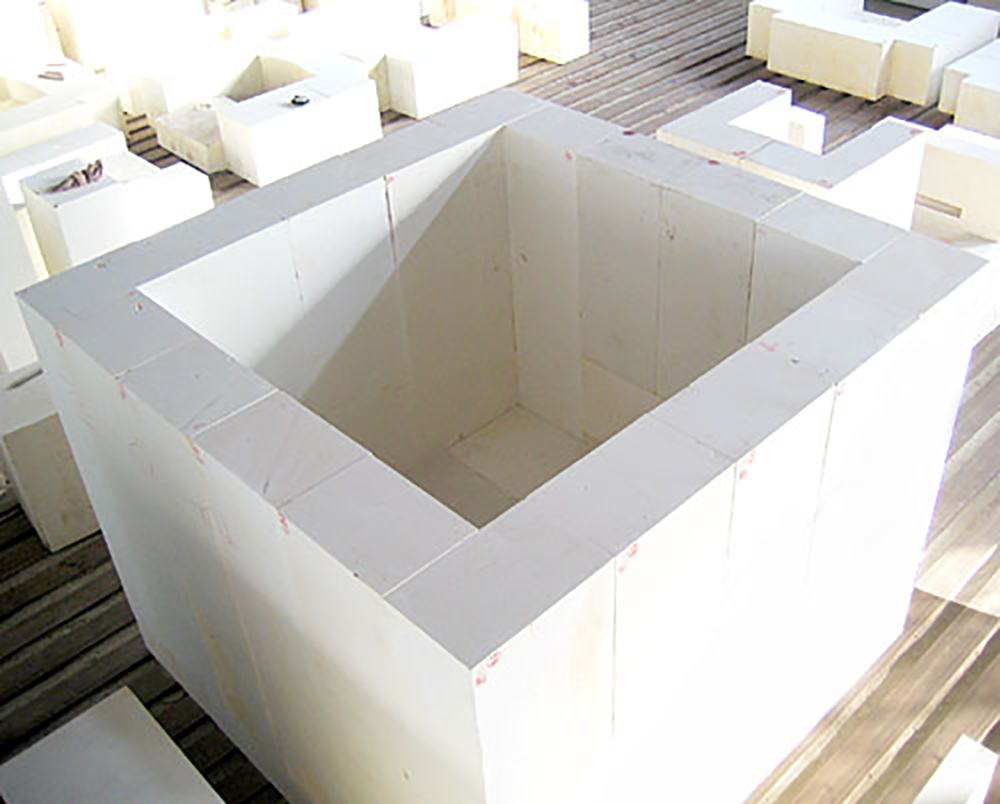
Installation practices also influence the effectiveness of AZS brick. Proper joint design and expansion allowances are necessary to accommodate thermal movement. In large furnaces, AZS brick must be positioned with precision to maintain alignment and structural integrity. Skilled installation teams ensure that AZS brick performs as expected under operating conditions.
Maintenance strategies often include regular inspection of AZS brick linings. Operators monitor wear patterns and identify early signs of corrosion. By replacing damaged sections of AZS brick at the right time, facilities can avoid larger failures. This approach helps maintain continuous production and reduces unexpected repair costs.
Supply chain considerations are also important for AZS brick users. Manufacturers focus on consistent raw material quality and controlled production processes. Reliable sourcing ensures that AZS brick meets performance expectations across different projects. As demand for high-quality glass and industrial products grows, the need for dependable AZS brick continues to increase.
In high-temperature industries, material selection directly affects efficiency and product quality. AZS brick remains a preferred choice because it balances strength, corrosion resistance, and long service life. Its presence in glass furnaces, incinerators, and metal processing units reflects its versatility. Engineers and operators continue to rely on AZS brick to support stable operations in challenging environments.
Related Products
Inquiry Now
Please leave your e-mail and we will contact you as soon as possible
+86-15264257623 Jacky Liu
1003, Building 1,The Fortune Zone, No.17 Lian yungang Road,Qingdao,China
For more details, welcome to message us.
Copyright © 2025 Qingdao laurent new materials co.,ltd.All Rights Reserved.
 Powered by HiCheng
contact us
Your satisfaction is our top priority. Whether you have questions, need support, or want to share feedback, our dedicated team is ready to assist you every step of the way.