Ceramic Fiber Module Factory Supports Expanding Industrial Applications
Ceramic fiber module factory operations are becoming increasingly important as global industries demand efficient high-temperature insulation solutions. A modern ceramic fiber module factory not only produces standard insulation products but also supports customized solutions for complex industrial environments. From furnace linings to petrochemical systems, the role of a ceramic fiber module factory continues to expand across multiple sectors.
Inside a ceramic fiber module factory, production begins with high-purity raw materials such as alumina and silica. These materials are processed into ceramic fibers through controlled melting and fiberizing techniques. A ceramic fiber module factory must maintain strict control over fiber diameter, density, and composition to ensure consistent thermal performance. Each ceramic fiber module factory follows precise manufacturing steps to deliver products that meet industrial insulation requirements.
A ceramic fiber module factory typically produces modules in folded or stacked configurations. These designs allow ceramic fiber modules to provide excellent resilience and thermal stability. In real-world applications, products from a ceramic fiber module factory are widely used in industrial furnaces. Furnace operators rely on ceramic fiber module factory products to reduce heat loss and maintain stable temperatures. The lightweight nature of modules from a ceramic fiber module factory also reduces structural load compared to traditional refractory materials.
Glass manufacturing is one of the primary industries supported by a ceramic fiber module factory. Glass furnaces require continuous operation at high temperatures, and insulation performance directly affects product quality. A ceramic fiber module factory supplies modules for furnace roofs, walls, and expansion zones. These modules help maintain uniform temperature distribution and reduce energy consumption. Engineers prefer ceramic fiber module factory products because they are easy to install and adapt to complex furnace designs.
In the steel and non-ferrous metal industries, a ceramic fiber module factory provides solutions for reheating furnaces, ladles, and heat treatment equipment. These applications involve rapid temperature changes and demanding thermal cycles. Products from a ceramic fiber module factory can withstand thermal shock and maintain insulation integrity over time. Maintenance teams often choose ceramic fiber module factory solutions because damaged modules can be replaced quickly, minimizing downtime.
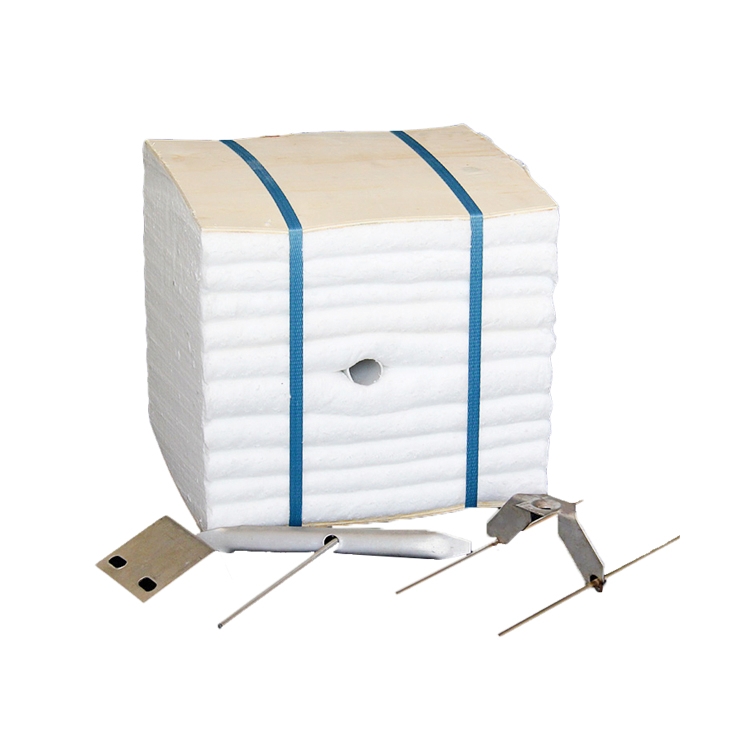
A ceramic fiber module factory also supports kiln operations in ceramics and refractory production. Kilns require precise temperature control to ensure consistent product quality. Modules supplied by a ceramic fiber module factory are used in kiln linings, doors, and roofs. Their low thermal conductivity improves heat retention, while their flexible structure allows for tight installation in complex geometries. As a result, ceramic fiber module factory products help manufacturers achieve stable firing conditions.
The petrochemical sector depends heavily on insulation systems provided by a ceramic fiber module factory. Equipment such as reactors, reformers, and cracking units operate under extreme conditions. A ceramic fiber module factory produces modules that resist high temperatures and chemical exposure. These modules are used to insulate piping systems, vessels, and processing units. By using ceramic fiber module factory products, facilities improve energy efficiency and maintain safe operating environments.
Power generation plants also rely on ceramic fiber module factory outputs. Boilers, turbines, and heat recovery systems require reliable insulation to operate efficiently. Modules from a ceramic fiber module factory are installed in critical areas where traditional materials may be difficult to apply. Their adaptability allows them to fit irregular surfaces, ensuring comprehensive insulation coverage. A ceramic fiber module factory plays a key role in supporting energy efficiency in power plants.
Environmental applications highlight another area where a ceramic fiber module factory contributes significantly. Waste incineration systems operate at high temperatures and involve corrosive gases. Modules produced by a ceramic fiber module factory are used to line incinerators, ducts, and exhaust systems. Their resistance to thermal shock and chemical attack ensures long service life. Operators benefit from reduced maintenance and improved system reliability when using ceramic fiber module factory products.
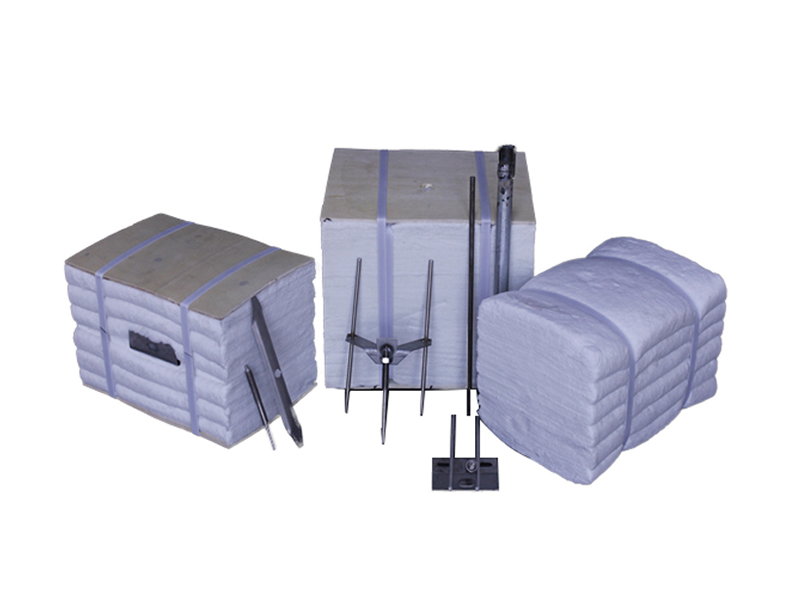
Customization is a major strength of a ceramic fiber module factory. Different industries require specific densities, thicknesses, and anchoring systems. A ceramic fiber module factory can design modules tailored to unique operating conditions. This flexibility allows engineers to optimize insulation performance for each application. A ceramic fiber module factory also works closely with clients to ensure proper installation and long-term reliability.
Quality control remains a critical aspect of every ceramic fiber module factory. Each production batch undergoes testing for thermal conductivity, density, and shrinkage. A ceramic fiber module factory must ensure that products maintain performance under prolonged high-temperature exposure. Consistency in manufacturing allows industries to rely on ceramic fiber module factory outputs for critical operations.
Installation efficiency is another advantage provided by a ceramic fiber module factory. Modules are designed for quick attachment using anchoring systems, reducing installation time. Maintenance processes are also simplified, as individual modules can be replaced without affecting surrounding areas. A ceramic fiber module factory supports both initial installation and long-term service needs through well-designed products.
As industrial systems become more advanced, the demand for reliable insulation continues to grow. A ceramic fiber module factory responds to this demand by improving production techniques and expanding application support. With ongoing innovation, a ceramic fiber module factory remains a central part of high-temperature industry development, delivering insulation solutions that meet the evolving needs of global manufacturing and energy sectors.
Related Products
Inquiry Now
Please leave your e-mail and we will contact you as soon as possible
+86-15264257623 Jacky Liu
1003, Building 1,The Fortune Zone, No.17 Lian yungang Road,Qingdao,China
For more details, welcome to message us.
Copyright © 2025 Qingdao laurent new materials co.,ltd.All Rights Reserved.
 Powered by HiCheng
contact us
Your satisfaction is our top priority. Whether you have questions, need support, or want to share feedback, our dedicated team is ready to assist you every step of the way.