Dense Refractory Brick: High-Strength Solution for Severe High-Temperature Applications
In demanding industrial thermal systems, dense refractory brick is widely used where high mechanical strength, abrasion resistance, and structural stability are required. Unlike insulating materials, this type of lining is designed to withstand direct flame exposure, heavy load, and chemical attack. In practical furnace engineering, low porosity fire brick is often selected for zones requiring enhanced resistance to slag penetration, while super duty brick is used in areas with extreme thermal stress and load-bearing conditions.
Dense refractory brick is manufactured from high-purity raw materials such as high-alumina bauxite, fireclay, or silica, which are pressed under high pressure and fired at elevated temperatures. This creates a compact microstructure with low open porosity, improving resistance to chemical infiltration and mechanical erosion. In engineering practice, low porosity fire brick typically has porosity below 18%, reducing slag penetration in metallurgical and cement kiln environments, while super duty brick contains higher alumina content and stronger mullite bonding, allowing stable operation above 1600°C. Key performance characteristics of dense refractory brick include high compressive strength, excellent abrasion resistance, strong chemical resistance against slag and alkalis, and stable volume under long-term thermal exposure.
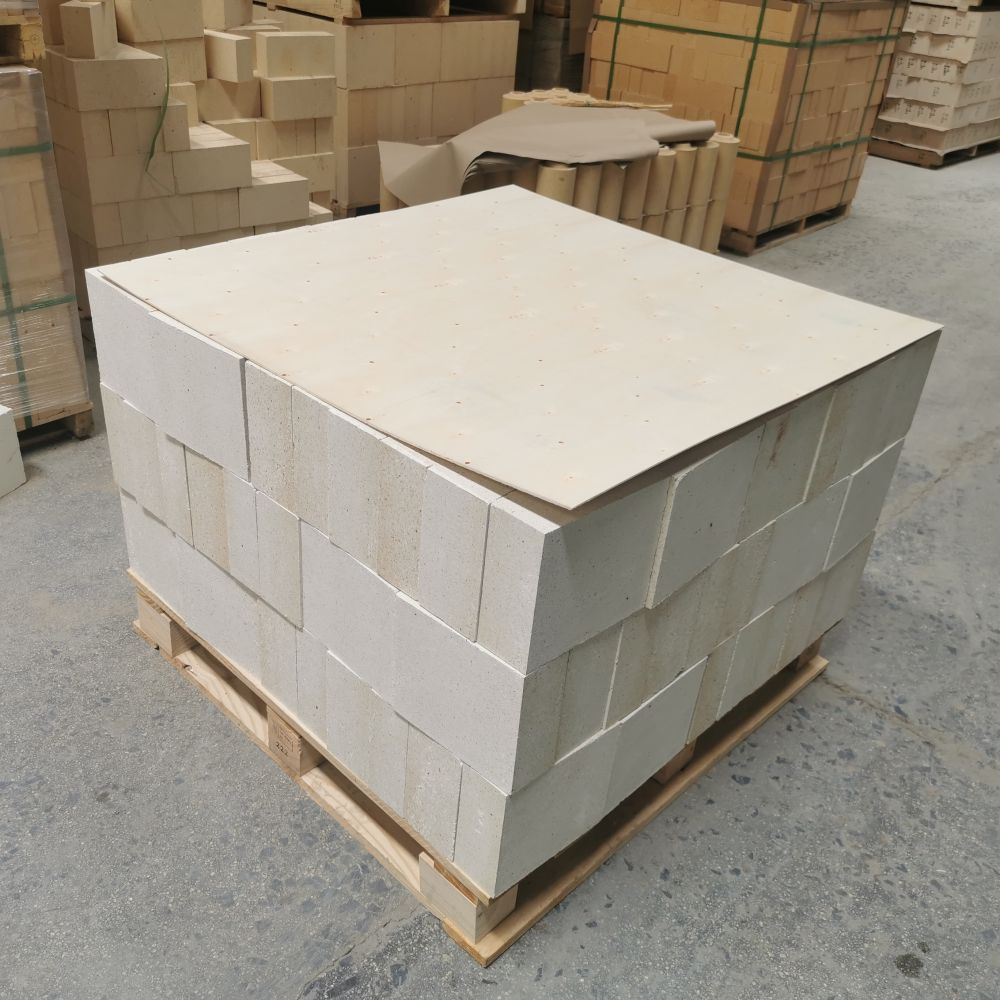
Field experience shows that installation quality directly determines the performance of dense refractory brick systems. Joint thickness is generally controlled within 1.5–2.5 mm to ensure uniform stress distribution. When installing low porosity fire brick, correct refractory mortar selection is critical, as chemical mismatch can cause early joint failure even if brick quality is high. In practical work, installers often dry-lay dense refractory brick before final setting to ensure alignment and reduce cutting errors. Expansion control is equally important in high-temperature zones, especially for super duty brick, where improper expansion allowance may lead to spalling or stress cracking during thermal cycling.
In one series of industrial furnace applications, dense refractory brick was used across different high-temperature systems including cement rotary kilns, steel reheating furnaces, and glass regenerators. In the cement kiln burning zone, low porosity fire brick significantly improved resistance to clinker abrasion and chemical infiltration, extending campaign life. In the steel reheating furnace flame zone, super duty brick enhanced structural stability under continuous thermal cycling and reduced deformation compared to conventional fireclay linings. In the glass furnace regenerator, dense refractory brick reduced flue gas corrosion and maintained structural integrity over long-term operation, with only minimal erosion observed in inspection.
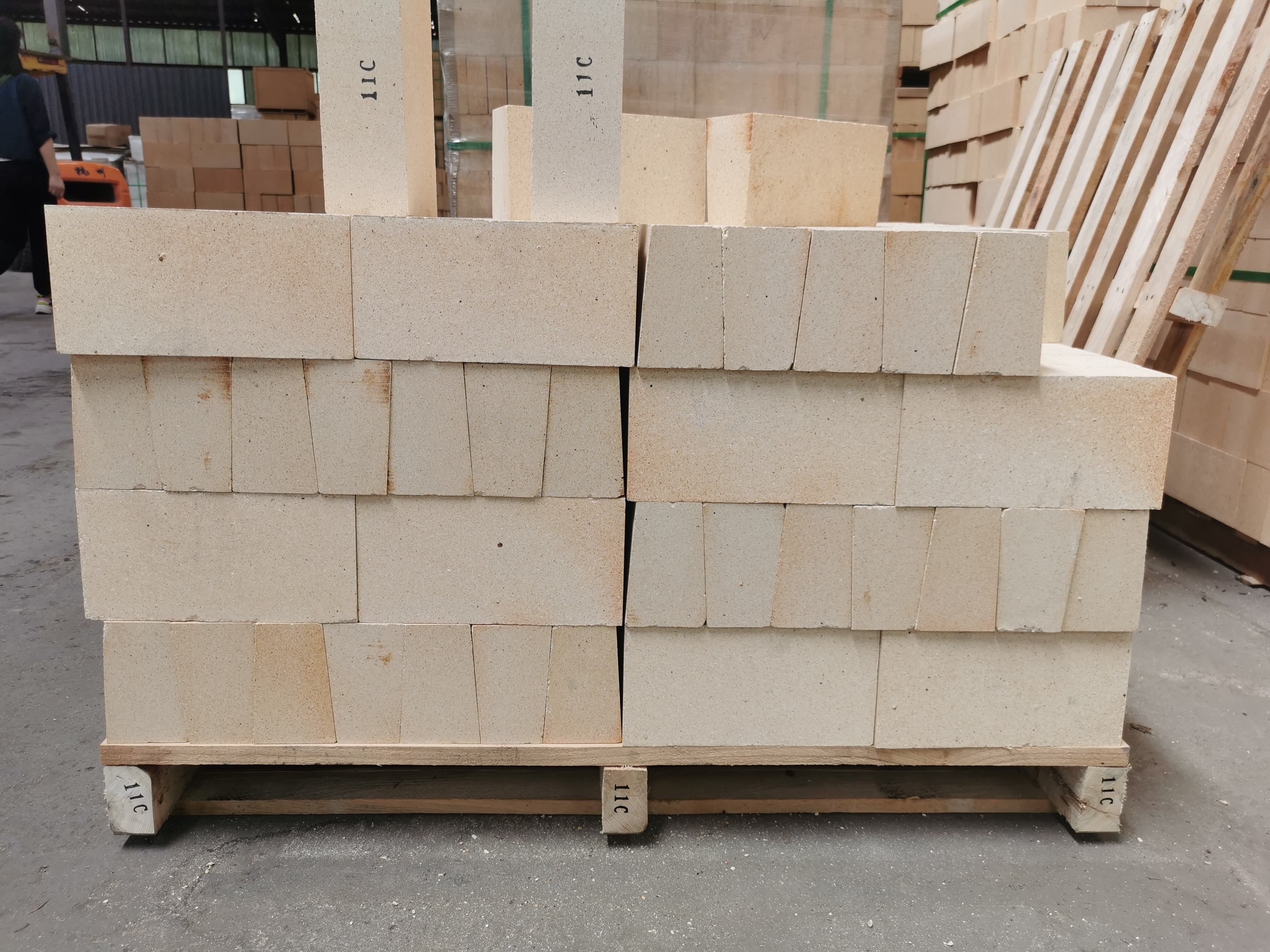
When selecting dense refractory brick, engineers evaluate temperature level, mechanical load, and chemical exposure. Low porosity fire brick is preferred in corrosive or slag-prone zones, while super duty brick is applied in high-stress flame areas requiring maximum strength. In most furnace designs, dense refractory brick is used as the hot-face layer, combined with insulating materials in backup layers to balance durability and thermal efficiency.
In long-term operation, dense refractory brick continues to be one of the most reliable solutions for severe industrial environments. Its compact structure enables low porosity fire brick to resist chemical penetration effectively, while super duty brick maintains stability under extreme thermal stress. With correct installation, proper joint design, and appropriate material zoning, dense refractory brick systems deliver consistent performance and extended service life in high-temperature industrial applications.
Related Products
Inquiry Now
Please leave your e-mail and we will contact you as soon as possible
+86-15264257623 Jacky Liu
1003, Building 1,The Fortune Zone, No.17 Lian yungang Road,Qingdao,China
For more details, welcome to message us.
Copyright © 2025 Qingdao laurent new materials co.,ltd.All Rights Reserved.
 Powered by HiCheng
contact us
Your satisfaction is our top priority. Whether you have questions, need support, or want to share feedback, our dedicated team is ready to assist you every step of the way.