Castable Refractory Cement: High-Performance Monolithic Lining Material for Industrial Furnaces
In modern high-temperature engineering, castable refractory cement has become one of the most commonly used monolithic refractory materials because of its ability to be shaped easily, strong bonding, and good resistance to heat.
As a main type of castable refractory material, it is widely used in lining industrial furnaces, repairing boilers, covering kiln roofs, and constructing complex-shaped refractory structures where traditional bricks are hard to install.In actual buying situations, the demand for castable refractory cement for sale continues to rise because it is easier to install than brick masonry systems and offers greater flexibility.
Material Composition and Performance Characteristics
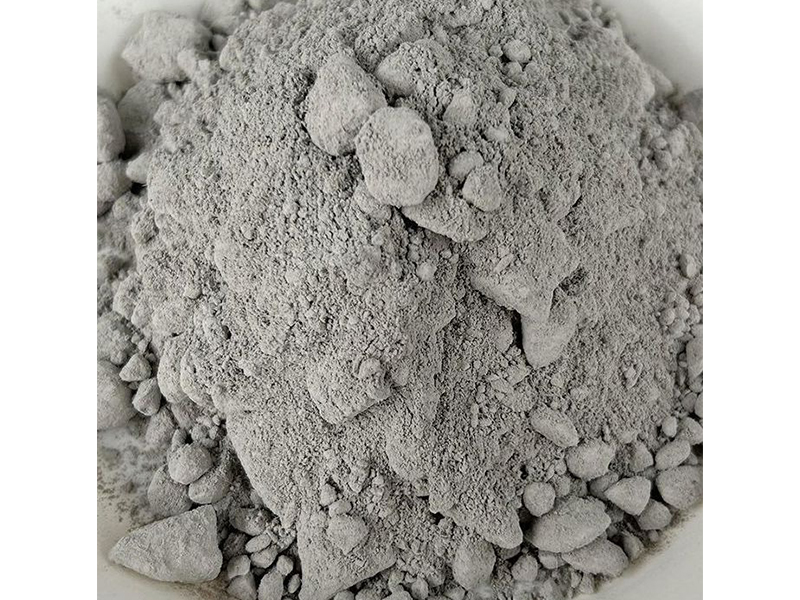
Castable refractory cement is a dry-mix refractory material made up of high-alumina aggregates, calcium aluminate cement, fine powders, and performance additives.
When water is added, it turns into a pumpable or pourable mixture that hardens into a dense refractory structure after curing and heating.
In engineering use, castable refractory materials are highly valued for their ability to create seamless linings without joints, which greatly reduces weak points in high-temperature environments.
Depending on the mix, castable refractory cement can function under temperatures ranging from 1100°C up to over 1800°C.
Key performance features include:
Strong structure after setting and firing
Good ability to resist thermal shock and mechanical wear
Ability to fit complex furnace shapes
Shorter installation time than brick linings
Higher quality castable refractory cement for sale usually has low cement content (LCC or ULCC mixes), which improves hot strength and minimizes shrinkage during temperature changes.
Practical Installation Experience from Engineering Projects
Field experience indicates that the performance of castable refractory cement depends heavily on the mix ratio, water control, and vibration during pouring.
Too much water reduces the final strength, while too little vibration can result in internal voids that lower the density of the castable material.
In real installation, the material should be mixed thoroughly using mechanical mixers, not by hand.
For vertical or overhead applications, suitable formwork and vibration tools are necessary to make sure castable refractory cement fills all gaps completely.After pouring, controlled curing is essential to prevent cracking from drying too quickly.
In several furnace repair projects, improper curing of castable refractory cement for sale caused surface cracking during the first heating cycles. After changing the drying schedule to include a gradual temperature increase and longer curing time, the same castable refractory material performed stably under continuous operation.Anchoring systems are also important. In high-temperature areas, steel anchors are often used to support castable refractory cement, ensuring the structure remains stable during thermal expansion and contraction.
Engineering Application Considerations
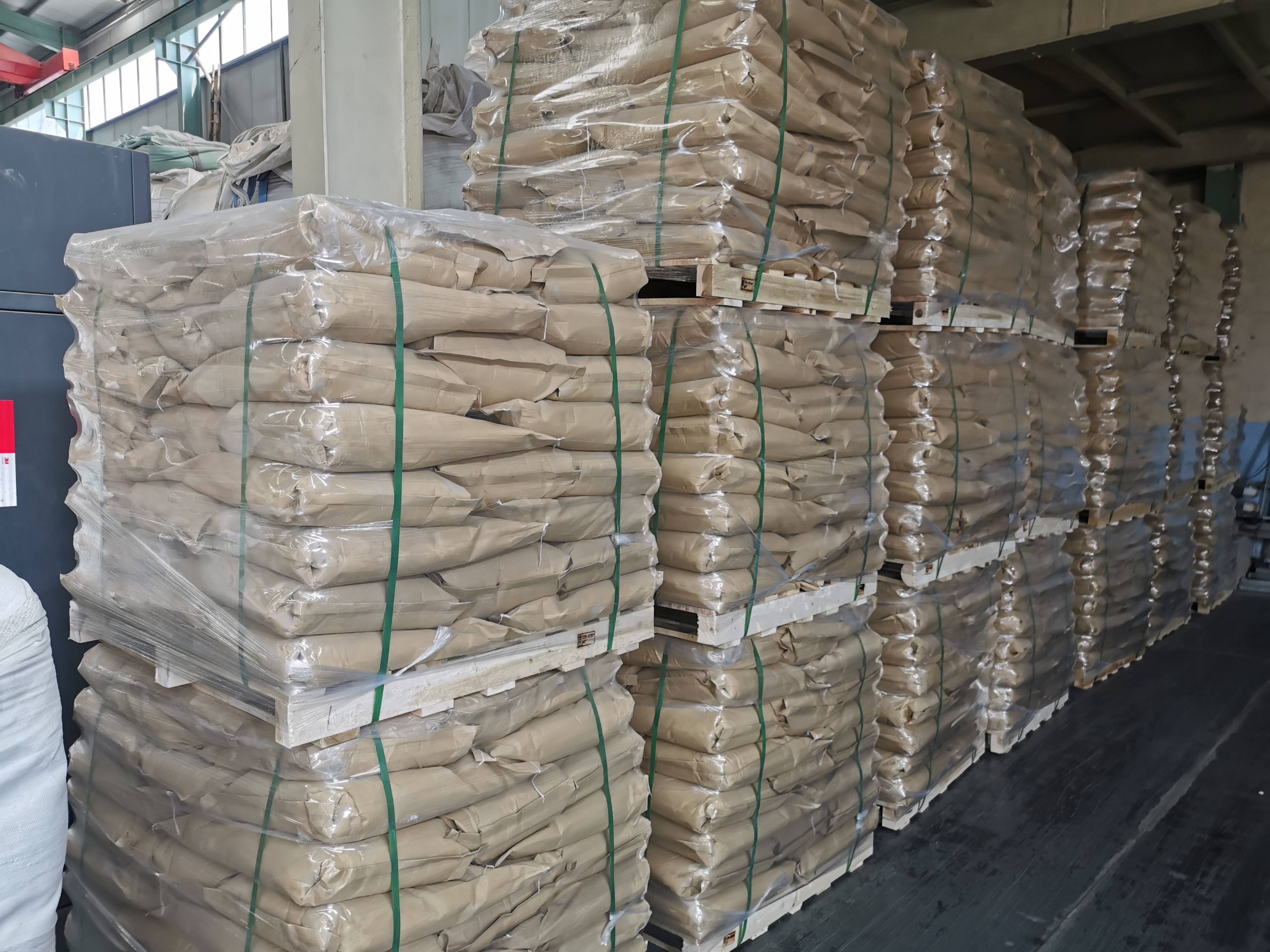
When choosing castable refractory cement, engineers consider factors such as operating temperature, chemical environment, and mechanical load.
High-alumina grades of castable refractory material are usually used in steel, cement, and power plant applications, where both heat and mechanical stress are high.
For less intense conditions, standard-density formulations of castable refractory cement for sale may be used to balance cost and performance.
Low cement castables (LCC) and ultra-low cement castables (ULCC) are often chosen for high-performance applications because of their improved heat resistance and reduced porosity.
Selection also depends on the installation method.
Pumpable castable refractory material is favored for large projects, while vibration-cast refractory cement is commonly used for furnace linings that require high density and strength.
Operational Insight
Over time, castable refractory cement has proven to be a dependable option for both new construction and maintenance repairs.
Its ability to form seamless linings gives castable refractory material a structural advantage over traditional brick systems, especially in complex furnace shapes.
Decisions about buying castable refractory cement for sale are based not just on the cost of the material, but also on how easy it is to install and how long it is expected to last.
When mixed, cast, and cured properly, castable refractory cement can provide stable performance through repeated thermal cycles and tough operating conditions, making it a practical and widely used solution in modern refractory engineering.
Related Products
Inquiry Now
Please leave your e-mail and we will contact you as soon as possible
+86-15264257623 Jacky Liu
1003, Building 1,The Fortune Zone, No.17 Lian yungang Road,Qingdao,China
For more details, welcome to message us.
Copyright © 2025 Qingdao laurent new materials co.,ltd.All Rights Reserved.
 Powered by HiCheng
contact us
Your satisfaction is our top priority. Whether you have questions, need support, or want to share feedback, our dedicated team is ready to assist you every step of the way.