Acid Brick: High-Performance Acid Resistant Lining for Corrosive Industrial Environments
In chemical processing, metallurgy, and environmental engineering systems, acid brick is widely used as a protective lining material against strong acid corrosion. As a core form of acid proof brick, it is commonly applied in acid storage tanks, pickling lines, chimneys, flue gas ducts, and chemical equipment foundations. Compared with general refractory materials, acid resistant brick price is relatively cost-effective while still providing long-term chemical stability in aggressive acidic environments.
Material Structure and Corrosion Resistance Mechanism
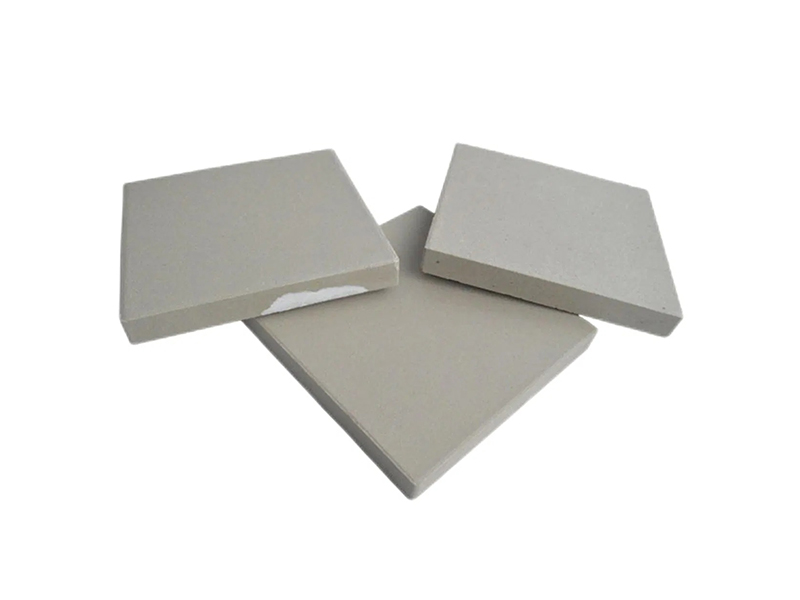
Acid brick is typically manufactured from high-silica clay, quartz, and feldspar raw materials, then fired at high temperatures to form a dense, low-porosity ceramic structure. This tightly bonded microstructure is the key reason why acid proof brick can resist chemical attack from acids such as sulfuric acid, hydrochloric acid, and nitric acid.
In engineering practice, performance differences in acid resistant brick price are closely related to raw material purity, silica content, and firing temperature. Higher-grade acid brick generally features lower water absorption (often below 5%) and higher density, which significantly improves resistance to acid penetration and extends service life in corrosive environments.
Unlike thermal refractory materials, acid proof brick is not designed for extreme heat resistance but for chemical stability. Its primary function is to isolate corrosive media from structural concrete or steel surfaces, preventing long-term chemical degradation.
Installation Experience and Engineering Practice
Field installation experience shows that the performance of acid brick depends heavily on construction quality and mortar compatibility. Acid-resistant mortar must match the chemical resistance of the acid proof brick, otherwise the entire lining system may fail even if high-quality bricks are used.
During installation, joint thickness should be strictly controlled within 2–3 mm. Excessively wide joints in acid resistant brick price systems can create penetration paths for acidic liquids, leading to early corrosion behind the lining. Experienced installers also perform tapping inspections after laying acid brick to detect hollow areas and ensure full mortar bonding.
Another critical factor is curing and drying control. If the mortar in an acid proof brick system is not properly cured, internal bonding strength will be reduced, especially in environments with continuous chemical exposure. Controlled curing ensures that the final structure becomes fully resistant to acid penetration.
Engineering Selection Considerations
When selecting acid brick, engineers typically evaluate chemical concentration, operating temperature, mechanical load, and exposure conditions. High-density acid proof brick with low porosity is preferred for highly aggressive environments, while standard grades may be used in less severe applications.
The acid resistant brick price varies depending on production process, silica purity, and dimensional accuracy. In real engineering design, cost optimization is often achieved by applying premium acid brick only in high-risk corrosion zones, while using standard-grade materials in secondary protection areas.
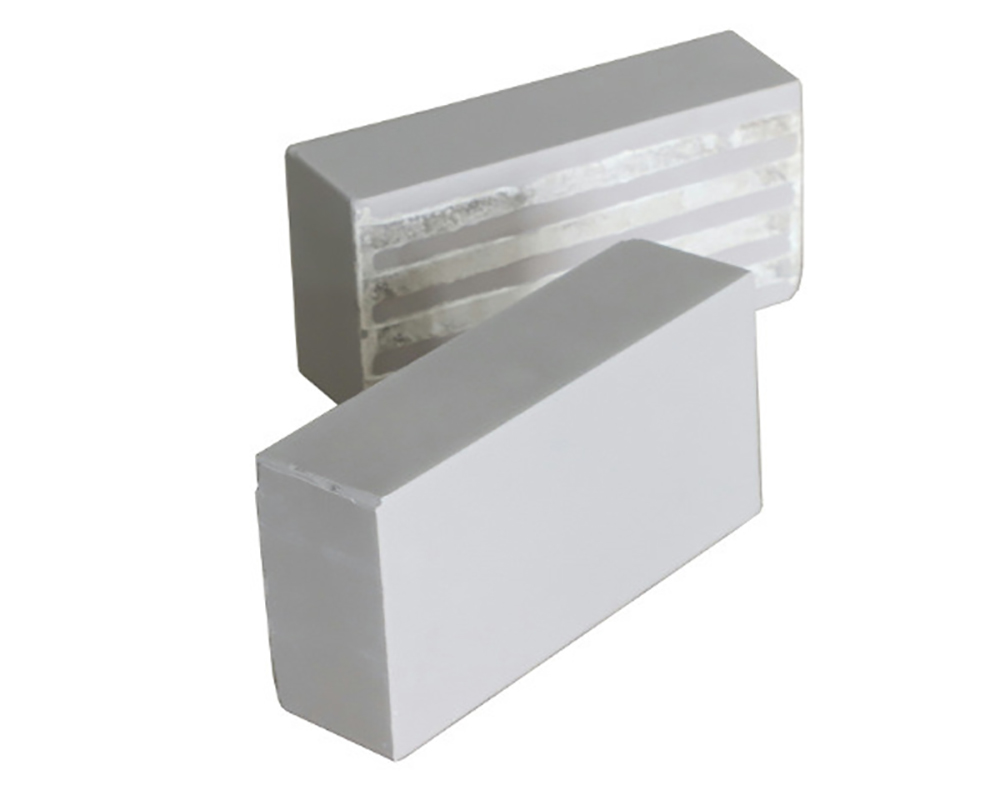
Dimensional consistency is also important. Poorly manufactured acid proof brick can lead to uneven joints, increasing the risk of chemical leakage and reducing overall system reliability.
In long-term industrial use, acid brick remains one of the most reliable and widely adopted solutions for acid corrosion protection. Its silica-based dense structure enables acid proof brick systems to maintain stability under continuous chemical exposure without significant degradation.
Although acid resistant brick price varies across different suppliers and specifications, the total lifecycle cost is often determined by installation quality and maintenance frequency rather than initial material cost alone.
With proper material selection, controlled installation procedures, and compatible acid-resistant mortar, acid brick systems can provide long-term and stable protection for industrial facilities operating in highly corrosive environments.
Related Products
Inquiry Now
Please leave your e-mail and we will contact you as soon as possible
+86-15264257623 Jacky Liu
1003, Building 1,The Fortune Zone, No.17 Lian yungang Road,Qingdao,China
For more details, welcome to message us.
Copyright © 2025 Qingdao laurent new materials co.,ltd.All Rights Reserved.
 Powered by HiCheng
contact us
Your satisfaction is our top priority. Whether you have questions, need support, or want to share feedback, our dedicated team is ready to assist you every step of the way.