Magnesia Carbon Refractory Bricks: High Performance Lining Solution for Steelmaking Furnaces
Magnesia carbon refractory bricks are advanced basic refractory materials that combine the excellent corrosion resistance of magnesia with the thermal shock resistance of graphite. These bricks are widely used in steelmaking equipment where refractory linings face extreme temperatures, molten steel erosion, slag corrosion, and repeated thermal cycling.
The unique structure of magnesia carbon refractory bricks comes from the combination of high-purity fused magnesia, flake graphite, and antioxidant additives. The magnesia component provides high refractoriness and resistance against alkaline slag, while graphite improves thermal conductivity and reduces thermal stress during rapid temperature changes.
Modern steel plants require refractory materials that can extend furnace service life while reducing maintenance frequency. Therefore, selecting suitable products from experienced magnesia carbon bricks manufacturers has become an important factor in improving production efficiency and reducing operating costs.
The performance of magnesia carbon refractory bricks depends greatly on raw material selection and production technology.
Professional manufacturers usually select high-grade magnesia with controlled purity and crystal size. The graphite content is carefully adjusted according to the working environment. Higher graphite content generally improves thermal shock resistance, while optimized formulations provide better oxidation resistance.
The manufacturing process usually includes:
Raw material preparation and precise proportioning
High-efficiency mixing with carbon binders
High-pressure molding for compact structure
Controlled heat treatment
Quality inspection before delivery
Experienced magnesia carbon bricks manufacturers understand that small differences in raw material quality can significantly affect service life. For example, oversized magnesia crystals can improve corrosion resistance, while properly distributed graphite can reduce crack formation during heating and cooling cycles.
During production, manufacturers also focus on apparent porosity, bulk density, cold crushing strength, and oxidation resistance because these parameters directly influence furnace performance.
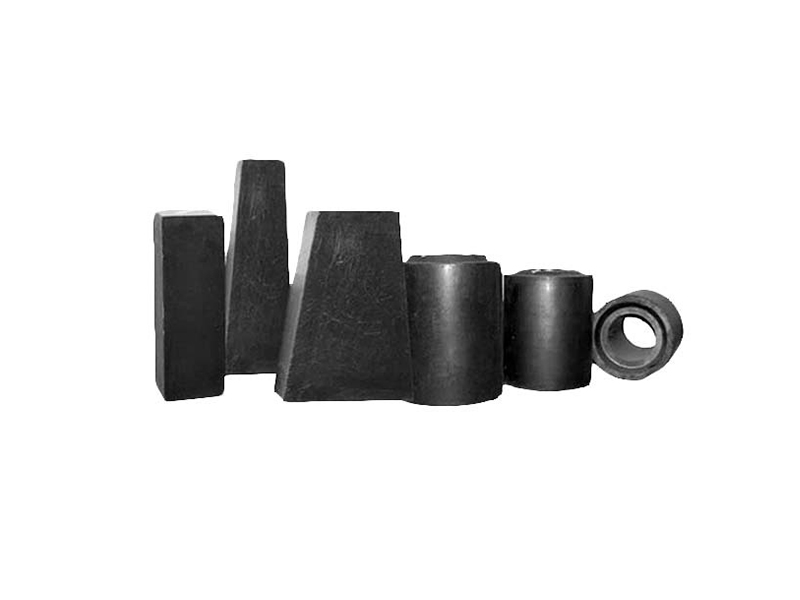
Steelmaking slag contains aggressive components that can quickly damage conventional refractory materials. Magnesia carbon refractory bricks provide strong resistance against basic slag because magnesia has excellent chemical stability in alkaline environments.
This advantage makes the bricks suitable for:
Electric arc furnace walls
Ladle working linings
Converter slag lines
Steel refining equipment
In actual steel plant applications, properly selected magnesia carbon bricks can significantly reduce damage in slag contact areas.
Steel production involves frequent heating and cooling cycles. Traditional refractory bricks may develop cracks because of thermal stress.
The graphite content in magnesia carbon refractory bricks improves thermal conductivity and allows heat to transfer more evenly through the brick structure. This reduces thermal stress concentration and helps prevent sudden cracking.
A practical example comes from a steel plant that experienced frequent ladle lining failures during rapid production cycles. After replacing the previous basic bricks with optimized magnesia carbon bricks, the plant achieved longer lining life because the new material handled repeated temperature changes more effectively.
Industrial furnaces operate under heavy mechanical impact from charging materials and molten metal movement. Magnesia carbon refractory bricks maintain good strength at high temperatures, allowing them to withstand mechanical wear.
The dense structure helps resist:
Molten steel erosion
Mechanical impact
Slag penetration
High-temperature deformation
This characteristic is especially valuable in areas exposed to strong physical stress.
The most common applications of magnesia carbon refractory bricks are found in steelmaking furnaces.
Electric arc furnaces experience extremely high temperatures and intense thermal fluctuations. The furnace wall and slag line require refractory materials with excellent corrosion resistance.
Many steel producers use magnesia carbon bricks in these areas because the material provides a balanced combination of corrosion resistance and thermal shock performance.
In one EAF maintenance project, a steel producer found that the slag line area had frequent erosion problems, causing shorter furnace campaigns. Engineers improved the lining design by selecting higher-grade magnesia carbon bricks with better graphite distribution. After installation, the slag line showed improved durability and reduced emergency repairs.
Ladle linings directly contact molten steel and refining slag. The refractory material must resist chemical attack while maintaining structural stability.
Magnesia carbon refractory bricks are commonly installed in ladle impact zones, slag lines, and critical wear areas. Proper brick selection can help steel plants reduce refractory consumption per ton of steel.
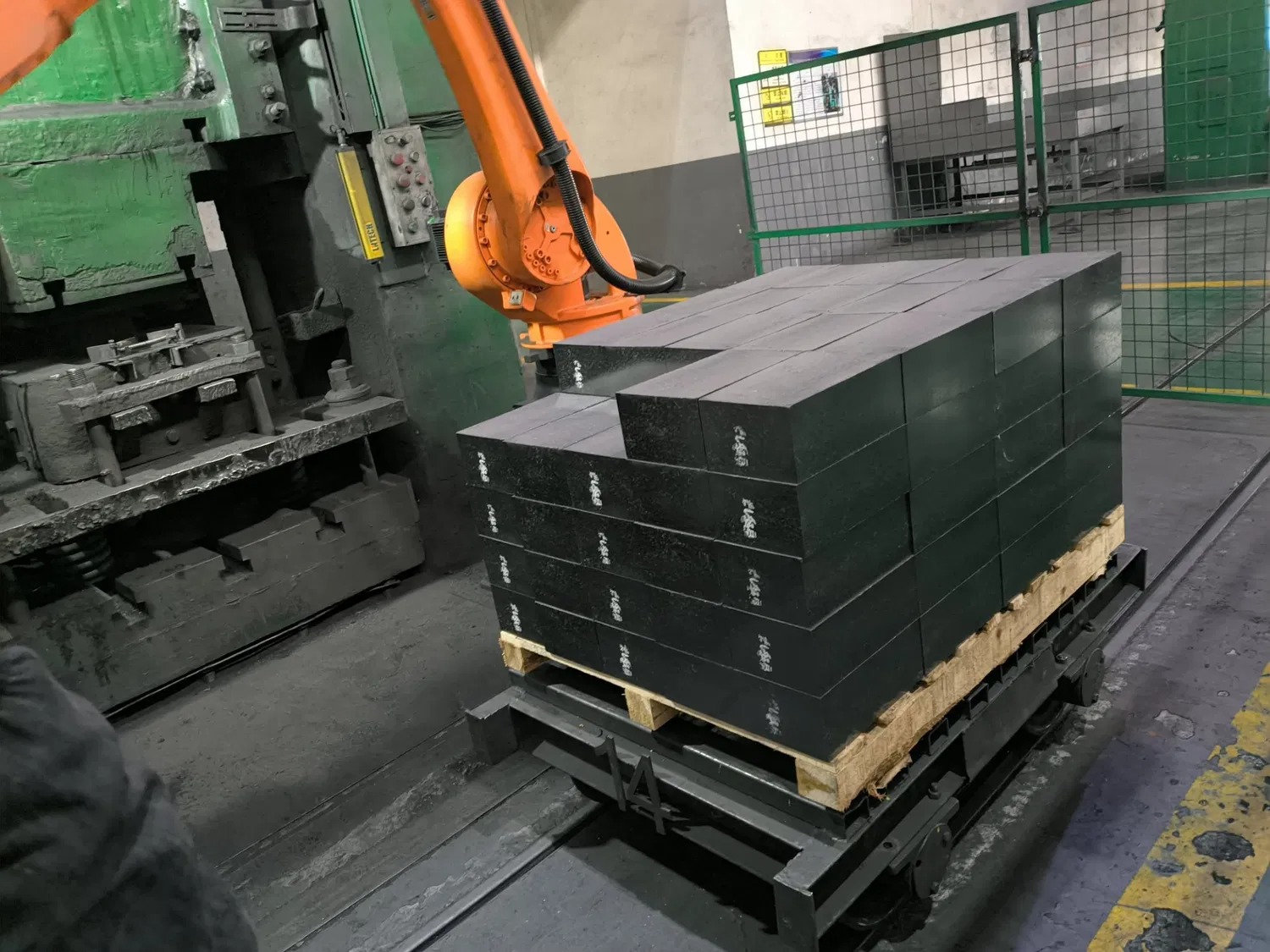
Many customers search for magnesia carbon bricks price because cost control is an important part of refractory purchasing. However, the price is influenced by multiple factors rather than only the brick size.
Important factors include:
High-purity magnesia and premium graphite increase production costs but usually provide better corrosion resistance and longer service life.
Different applications require different graphite levels. Higher carbon content may improve thermal shock resistance but requires additional oxidation protection.
Advanced pressing equipment and strict quality control systems influence manufacturing costs and product consistency.
Special shapes, specific dimensions, or customized formulations can affect the final magnesia carbon bricks price.
For industrial buyers, comparing only the initial purchase price may lead to higher long-term costs. A slightly higher-quality brick with longer service life can reduce downtime and replacement frequency.
Choosing experienced magnesia carbon bricks manufacturers is important for ensuring stable furnace operation.
Professional suppliers should provide:
Detailed technical data
Consistent product quality
Customized refractory solutions
Application support
Production inspection records
A reliable manufacturer does not only supply bricks but also helps customers select the correct grade according to furnace type, slag composition, operating temperature, and service conditions.
Before purchasing, buyers should consider:
Furnace working environment
Expected service life
Steel grade requirements
Maintenance schedule
Total operating cost
The correct refractory solution should match actual operating conditions instead of simply selecting the cheapest option.
| Item | Typical Value |
|---|---|
| Material | Magnesia + Graphite + Additives |
| MgO Content | 70–97% |
| Carbon Content | 5–20% |
| Apparent Porosity | 2–8% |
| Bulk Density | 2.8–3.2 g/cm³ |
| Application Temperature | Up to 1800°C |
| Main Applications | EAF, Converter, Ladle, Refining Furnace |
Specifications can be adjusted according to different furnace conditions.
Magnesia carbon refractory bricks provide reliable performance for modern steelmaking operations where corrosion resistance, thermal shock resistance, and mechanical durability are required. Their unique combination of magnesia and graphite makes them one of the most important refractory solutions for high-temperature steel production.
When evaluating magnesia carbon bricks price, buyers should consider service life, maintenance costs, and production efficiency rather than focusing only on initial investment. Working with experienced magnesia carbon bricks manufacturers allows steel plants to obtain suitable refractory solutions that improve furnace performance and reduce operational risks.
Related Products
Inquiry Now
Please leave your e-mail and we will contact you as soon as possible
+86-15264257623 Jacky Liu
1003, Building 1,The Fortune Zone, No.17 Lian yungang Road,Qingdao,China
For more details, welcome to message us.
Copyright © 2025 Qingdao laurent new materials co.,ltd.All Rights Reserved.
 Powered by HiCheng
contact us
Your satisfaction is our top priority. Whether you have questions, need support, or want to share feedback, our dedicated team is ready to assist you every step of the way.