Why Magnesia Alumina Spinel Bricks Are Used in High Temperature Kilns
In high-temperature kiln service, refractory brick choice affects lining life, kiln stability, and repair cost. Magnesia alumina spinel bricks are often used in hot zones because they balance heat resistance, thermal shock resistance, and resistance to chemical attack. But a magnesia-based brick should not be chosen just because a kiln runs hot. In real projects, the key questions are where the brick will sit, what it will touch, how often the kiln heats and cools, and whether the lining faces load or stress.
Cement rotary kilns are a good example. The lining faces high heat, clinker movement, chemical reactions, thermal cycling, and mechanical stress at the same time.
In some zones, basic magnesia bricks can crack or spall when conditions change often. Adding alumina-spinel phases can improve thermal shock resistance and help the lining stay sound through repeated heat-up and cool-down cycles.
This does not mean these bricks fit every kiln zone. The burning zone, transition zone, and cooler connection area face different thermal and mechanical loads.
For this reason, Laurel first checks the working conditions before recommending a magnesia spinel refractory brick.
One case involved a cement producer with early damage in a transition zone lining.
The kiln temperature was within the normal range, so the customer first suspected poor heat resistance. But inspection showed the main issue was repeated thermal cycling and uneven operation.
During steady production, the lining worked well. When the kiln stopped and started often, cracks formed in several spots and slowly turned into local spalling.
Instead of just choosing a higher-temperature brick, we reviewed the kiln's operating pattern, lining locati0n, load, and temperature swings. We then moved to a magnesia-spinel option with better resistance to repeated thermal stress.
After the change, the customer saw more stable lining performance under the same production conditions.
The key lesson was that failure was not caused by peak temperature alone. Thermal cycling and operating stability mattered just as much.
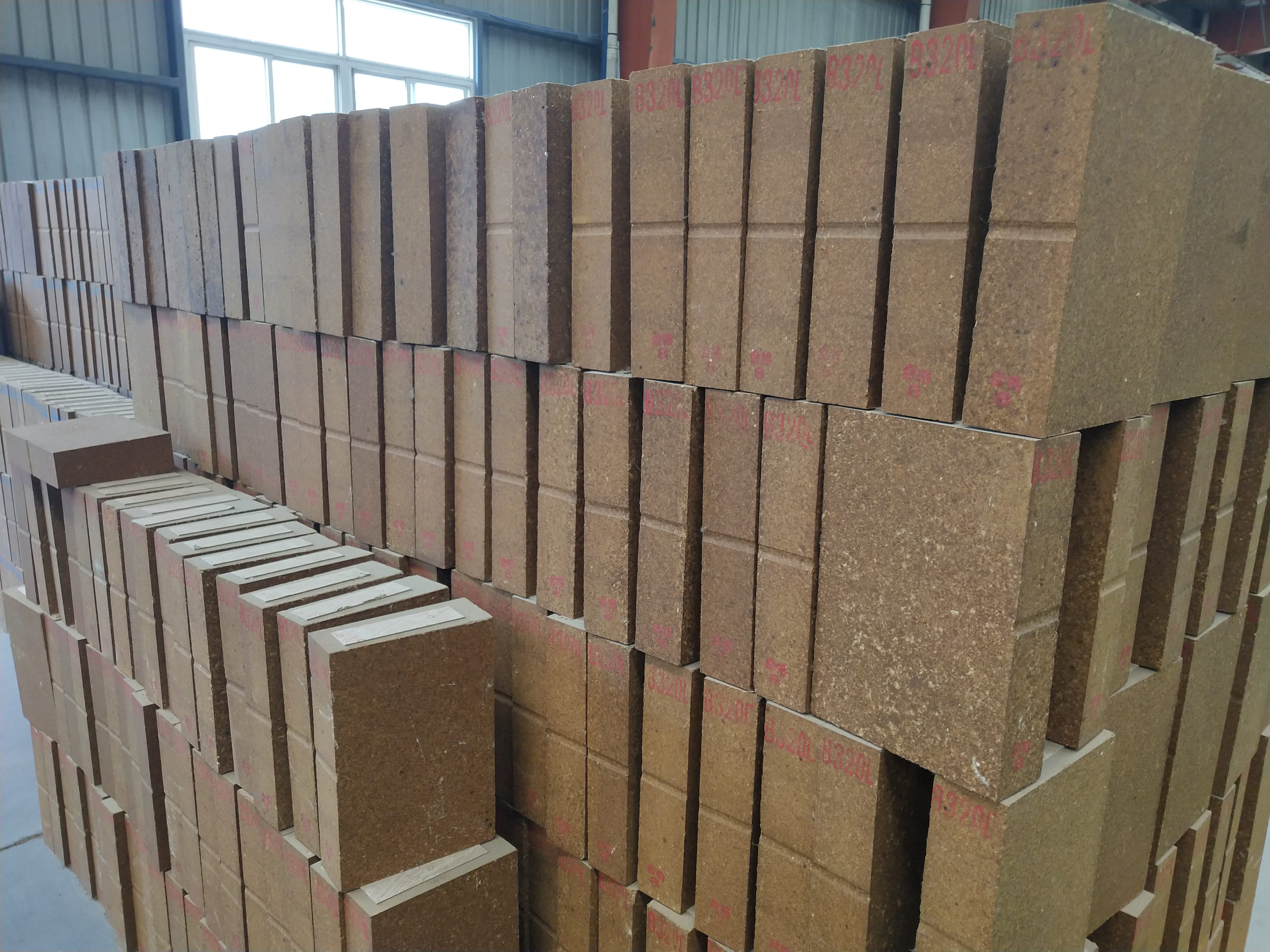
One reason magnesia-spinel materials suit demanding kiln work is their ability to handle thermal stress better than some conventional refractory structures.
A kiln never stays at one temperature. Shutdowns, production changes, fuel adjustments, and maintenance all create swings. Each cycle causes the lining to expand and contract.
If these stresses build up faster than the material can handle them, cracks may form. Once cracks are linked, gases, dust, or aggressive kiln materials can move deeper into the lining and speed wear.
This is why magnesia spinel refractory brick selection should consider the actual firing cycle, not just the rated service temperature.
Thermal stress is only part of the issue.
Cement kilns can expose the lining to clinker, alkali compounds, sulfur-bearing substances, and other aggressive materials. Chemical penetration can alter the refractory structure and add to cracking or spalling.
In practice, we have seen bricks with good initial strength still fail sooner than expected because the chemical environment was not fully considered.
So when selecting magnesia alumina spinel bricks, it helps to review the full operating environment instead of relying only on compressive strength or temperature ratings.
For industrial buyers, magnesia spinel brick price is an important factor, but the lowest buy price does not always mean the lowest cost over time.
Final magnesia spinel brick price depends on raw material quality, spinel content, the making process, brick size, tolerances, and custom needs. More important, the real value depends on how long the lining stays in service.
For example, if a lower-cost refractory must be replaced twice while a higher-performance lining stays stable, the initial savings may disappear after labor, kiln downtime, transport, and installation are counted.
This matters even more in large cement plants, where a short maintenance stop can affect output.
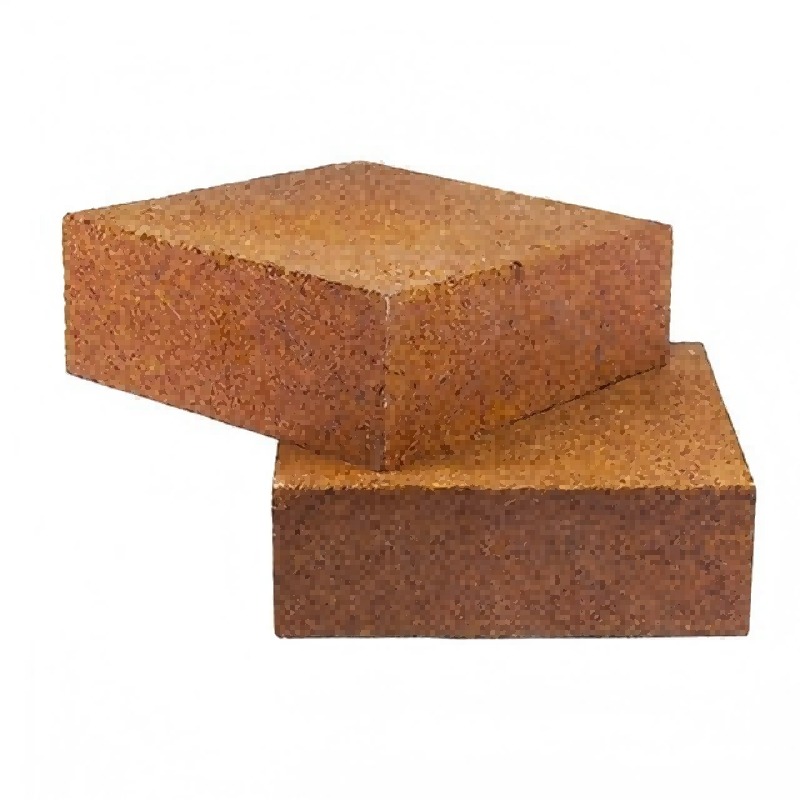
Before ordering magnesia alumina spinel bricks, we recommend sharing the following details:
Kiln operating temperature
Specific installation zone
Production material and chemical environment
Heating and cooling frequency
Previous lining failure
Brick dimensions and required shape
Expected service life
If the main issue is thermal shock, choose a material that handles repeated temperature changes.
If chemical attack is the main concern, prioritize corrosion resistance.
If mechanical wear is severe, another refractory mix may work better.
This approach helps customers avoid paying for performance they do not need and lowers the risk of early refractory failure.
At Laurel, we think refractory selection should start with the operating conditions, not with the product catalog.
Magnesia alumina spinel bricks can be a strong choice for demanding high-temperature kiln service, especially when thermal cycling and chemical exposure are major concerns. Their success, however, depends on the right material choice, proper installation, and sound kiln operation.
For customers comparing magnesia spinel brick price, the better question is often not which supplier has the lowest price but which material can deliver the service life we need under our kiln conditions.
A refractory lining that stays stable for longer can cut unplanned maintenance, reduce replacement frequency, and give more predictable kiln operation. That is the practical value to weigh when choosing a magnesia spinel refractory brick.
Share your kiln operating details with Laurel to get a tailored magnesia spinel brick recommendation and quote
Related Products
Related fields
Inquiry Now
Please leave your e-mail and we will contact you as soon as possible
+86-15264257623 Jacky Liu
1003, Building 1,The Fortune Zone, No.17 Lian yungang Road,Qingdao,China
For more details, welcome to message us.
Copyright © 2025 Qingdao laurent new materials co.,ltd.All Rights Reserved.
 Powered by HiCheng
contact us
Your satisfaction is our top priority. Whether you have questions, need support, or want to share feedback, our dedicated team is ready to assist you every step of the way.