How to Choose the Right Calcium Silicate Insulation Board for High-Temperature Equipment
High-temperature equipment rarely loses efficiency suddenly. In many industrial applications, heat loss develops gradually. Furnace surfaces become hotter, insulation joints deteriorate, and maintenance teams begin replacing damaged sections more often.
For operators, simply adding thicker insulation is not always the best solution. The material, thickness, density, installation method, and operating conditions all affect insulation performance.
Based on practical experience with industrial insulation projects, calcium silicate insulation board can provide an effective solution for high-temperature equipment when the material is correctly selected and installed.
A ceramic manufacturer contacted a refractory supplier after noticing that several areas of its furnace surface had become unusually hot.
The customer reported three problems:
Higher external surface temperature
Damaged insulation joints
Increasing concerns about energy consumption
The customer's initial plan was to add another insulation layer. However, after reviewing the existing structure, the technical team found that the problem was not simply insufficient thickness.
Several insulation boards had deteriorated after long-term operation, while gaps between boards created localized heat leakage.
Instead of adding another layer everywhere, the damaged sections were replaced and the insulation joints were improved.
The customer later commented:
“We originally thought we needed thicker insulation. After checking the furnace, we found that the damaged areas and joints were the real problem.”
This experience shows why the actual cause of heat loss should be identified before selecting replacement material.
Many operators assume that a thicker board automatically provides better insulation.
In practice, the result depends on several factors:
Operating temperature
Available installation space
Board density
Thermal conductivity
Mechanical loading
Heating and cooling cycles
Joint design
A thicker board may not be practical when equipment has limited space. It may also create installation difficulties if the structure has complex shapes.
A suitable calcium silicate insulation board should therefore be selected according to the equipment rather than thickness alone.
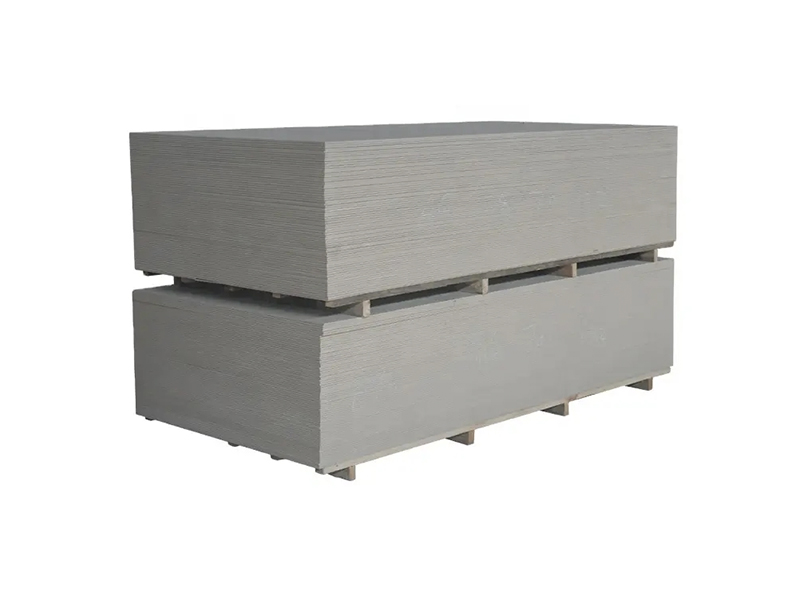
Experienced calcium silicate board suppliers should first understand the actual working environment.
Before ordering insulation, manufacturers should check:
Normal and peak operating temperature
Available insulation thickness
Installation location
Mechanical pressure on the board
Heating and cooling frequency
Existing cracks or damaged sections
Expected service interval
This information helps determine whether the main problem is insufficient insulation, material deterioration, mechanical damage, or poor installation.
Density is an important consideration when choosing insulation boards.
Lower-density materials can be useful when lightweight construction and thermal insulation are priorities. Higher-density boards may be more appropriate where the material needs greater mechanical strength.
There is no single density suitable for every application.
In one project, a customer initially requested the lowest-density board available. After reviewing the installation conditions, the technical team found that part of the insulation would experience mechanical pressure.
A different grade was selected for that section, while the original specification remained suitable for areas without mechanical loading.
This approach avoided unnecessary upgrades while maintaining adequate performance.
Even good insulation material can perform poorly when installed incorrectly.
Common problems include:
Large gaps between boards
Poorly aligned joints
Excessive compression
Unsupported sections
Incorrect cutting
Small gaps can become significant heat-loss points during long-term operation.
In the customer project mentioned above, improving the joint arrangement was just as important as replacing the damaged boards.
A calcium silicate fire board may be considered when an application requires both thermal insulation and fire protection.
However, these are not always the same requirement.
Before choosing a board, the customer should clarify whether the main purpose is:
High-temperature insulation
Fire protection
Heat containment
Personnel protection
The material should then be selected according to the actual application requirements rather than a general fire-resistance claim.
Another customer once planned to replace an entire insulation layer because several boards looked old and discolored.
A technical inspection was recommended before replacement.
The inspection showed that some boards remained structurally sound, while only specific sections had significant deterioration. The customer replaced the damaged areas and repaired weak joints instead of replacing the complete insulation system.
The maintenance manager said:
“We had been replacing large sections because they looked old. After checking the actual condition, we found that only certain areas needed replacement.”
This approach reduced material consumption and shortened maintenance time.
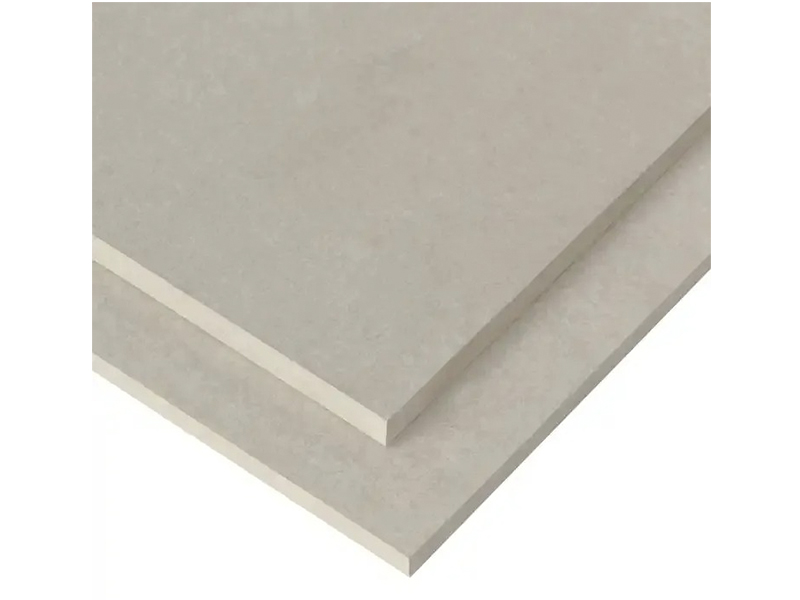
When evaluating calcium silicate board suppliers, buyers should look beyond price.
Important information includes:
Density
Thickness
Temperature capability
Thermal conductivity
Mechanical strength
Available sizes
Customized cutting
Application recommendations
A reliable supplier should also ask about the actual operating environment.
The better question is not simply “What thickness do you need?”
It is:
“Where will the board be installed, what temperature will it experience, and what mechanical conditions will it face?”
A professional insulation supplier should focus on matching materials with actual equipment conditions, considering temperature, installation space, mechanical requirements, joint design, and expected service life.
The objective is simple: reduce unnecessary heat loss while providing stable and practical insulation for long-term operation.
Choosing the right calcium silicate insulation board requires more than selecting the thickest or highest-temperature material.
Operating temperature, density, thickness, mechanical loading, thermal cycling, and installation quality all influence performance.
Practical experience also shows that many insulation problems can be solved without replacing the entire system. Identifying the actual failure area and correcting the underlying cause can reduce maintenance work and material costs.
For companies looking for reliable calcium silicate board suppliers, application experience should be considered alongside technical specifications.
The right insulation solution is the one that fits the equipment, the working conditions, and the long-term maintenance plan.
Related Products
Inquiry Now
Please leave your e-mail and we will contact you as soon as possible
+86-15264257623 Jacky Liu
1003, Building 1,The Fortune Zone, No.17 Lian yungang Road,Qingdao,China
For more details, welcome to message us.
Copyright © 2025 Qingdao laurent new materials co.,ltd.All Rights Reserved.
 Powered by HiCheng
contact us
Your satisfaction is our top priority. Whether you have questions, need support, or want to share feedback, our dedicated team is ready to assist you every step of the way.