How to Choose a Reliable Insulating Brick Factory
Insulating bricks are widely used in industrial furnaces, kilns, and other high-temperature equipment. They help reduce heat loss and maintain stable operating temperatures. However, product quality can vary between manufacturers.
Choosing a reliable insulating brick factory is important for product performance, project costs, and delivery schedules. Buyers should consider more than the quoted price. Raw materials, production processes, quality control, and customization capabilities also matter.
This guide explains what to check before choosing an insulating brick manufacturer.
A reliable insulating brick factory should offer products for different temperature ranges and industrial applications.
Insulating fire brick is commonly made from lightweight refractory materials. Depending on the formulation and production process, products may have different densities, strengths, and thermal properties.
Common product options include:
Standard insulating fire bricks
High-temperature insulating bricks
Lightweight fireclay insulating bricks
Mullite insulating bricks
Custom-shaped insulating bricks
Different products are suitable for different furnace conditions. For example, a brick used in a ceramic kiln may have different requirements from one used in a heat treatment furnace.
Before choosing a manufacturer, check whether its product range matches your application and required operating temperature.
Technical specifications are important when comparing insulating bricks from different factories.
A lower-priced product may not provide the required insulation or mechanical performance. Buyers should compare products using the same technical requirements.
Important specifications include:
Classification temperature
Bulk density
Thermal conductivity
Cold crushing strength
Permanent linear change
Chemical composition
Bulk density affects the weight and material structure of insulating bricks. Thermal conductivity indicates how easily heat passes through the material. Cold crushing strength helps buyers understand the brick's ability to withstand compressive loads.
These properties should be considered together. A suitable insulating fire brick needs to meet the temperature and insulation requirements of the furnace while providing enough strength for its installation position.
Ask the factory for a technical data sheet before placing an order. Test reports can also help verify whether the product meets the stated specifications.
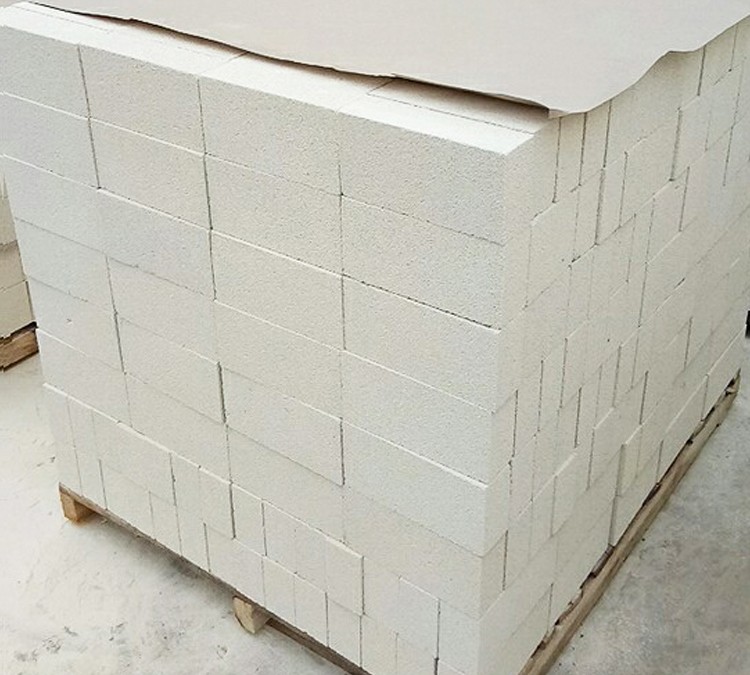
Raw materials have a direct effect on insulating brick quality.
Different manufacturers may use fireclay, kaolin, alumina-rich materials, lightweight aggregates, and other additives. The material composition depends on the required temperature grade and product properties.
The production process also affects the final product. Raw material preparation, mixing, molding, drying, and firing all need proper control.
Uneven mixing or poor firing conditions may lead to differences in density, dimensions, strength, and shrinkage.
When evaluating an insulating brick factory, ask about its raw material selection and production process. A manufacturer should be able to explain how its materials and processes support the required product specifications.
Quality control helps ensure that insulating bricks meet the required specifications from batch to batch.
A professional manufacturer should have procedures for checking raw materials, production conditions, and finished products.
Common inspection items include:
Brick dimensions and tolerances
Bulk density
Cold crushing strength
Thermal conductivity
Permanent linear change
Appearance and visible defects
For large orders, buyers can request batch inspection records or arrange third-party testing when necessary.
It is also useful to ask how the factory handles products that do not meet specifications. Clear inspection procedures can reduce quality risks during procurement.
Not every furnace uses standard brick sizes. Some projects require special dimensions, shapes, or installation arrangements.
A capable insulating brick factory should be able to review drawings and discuss product requirements before production.
Customization may include:
Non-standard brick dimensions
Special shapes for furnace structures
Different temperature grades
Specific density and strength requirements
Customized packaging and marking
Technical support is also important. The manufacturer should understand the furnace application and help buyers select suitable insulating bricks based on temperature, load, and operating conditions.
Providing furnace drawings, working temperature, and installation details can help the factory recommend a more suitable product.
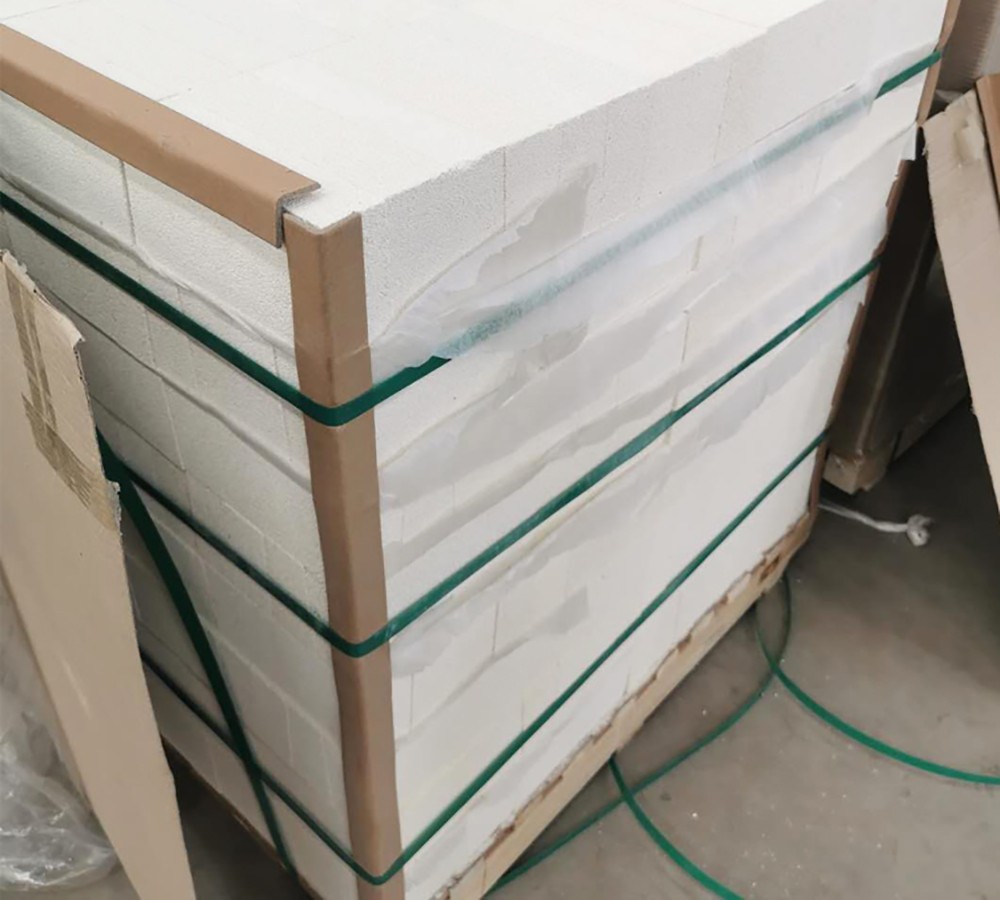
Production capacity affects whether a factory can complete an order within the required time.
Before choosing a supplier, confirm its production schedule, available capacity, and estimated delivery time.
For export orders, buyers should also check:
Export packaging methods
Pallet and container loading arrangements
Product labels and shipping marks
Required export documents
Communication during production and shipment
A competitive quotation is useful, but reliable delivery is equally important. Late shipments can affect furnace installation and project schedules.
When comparing insulating bricks from different suppliers, make sure the quotations are based on similar specifications.
Check the following details:
Product grade and classification temperature
Bulk density and dimensions
Technical performance
Order quantity
Packaging requirements
Delivery terms and lead time
Do not compare prices without checking product specifications. Differences in raw materials, density, strength, and production requirements can lead to different costs.
A clear quotation should identify the product specification and commercial terms. This makes it easier to evaluate the actual value offered by each insulating brick manufacturer.
Choosing a reliable insulating brick factory requires careful evaluation of product quality, raw materials, production processes, testing, customization, and delivery.
The right insulating fire brick should match the furnace temperature, insulation requirements, and installation conditions. Buyers should compare technical data and factory capabilities rather than focusing only on price.
Laurel supplies refractory and insulation materials for industrial applications. Contact us with your required brick grade, dimensions, operating temperature, and order quantity to discuss suitable insulating bricks and request a quotation.
Related Products
Inquiry Now
Please leave your e-mail and we will contact you as soon as possible
+86-15264257623 Jacky Liu
1003, Building 1,The Fortune Zone, No.17 Lian yungang Road,Qingdao,China
For more details, welcome to message us.
Copyright © 2025 Qingdao laurent new materials co.,ltd.All Rights Reserved.
 Powered by HiCheng
contact us
Your satisfaction is our top priority. Whether you have questions, need support, or want to share feedback, our dedicated team is ready to assist you every step of the way.