Technological Evolution and Expanding Application Value of Ceramic Fiber Insulation Materials
Ceramic fiber insulation materials, as a new type of functional material based on ceramic inorganic non-metallic materials, are continuously expanding their application scenarios in building energy conservation, industrial equipment, new energy, and aerospace fields, thanks to their comprehensive properties such as high temperature resistance, low thermal conductivity, non-flammability, and aging resistance. With the continuous improvement of global energy conservation, emission reduction, and safety standards, the technological maturity and industrialization level of these materials are steadily increasing, playing an increasingly important role in the process of green and low-carbon development.
Development History and Technological Evolution of Ceramic fiber Insulation Materials
The developent of Ceramic fiber insulation materials is closely related to the progress of ceramic technology, the improvement of energy utilization efficiency, and the evolution of safety standards. As early as ancient times, humans used the high-temperature resistance of ceramics in applications such as kiln walls and hot water delivery systems to achieve basic insulation functions, but a systematic concept of thermal insulation materials had not yet been formed.
In the 20th century, industrialization drove key technological breakthroughs. In 1919, the United States successfully developed ceramic fiber materials for the first time, achieving a technological leap in lightweight, high-temperature insulation performance. During World War II, these materials were used in aircraft engine insulation systems, and after the war, they were gradually extended to industrial furnaces in steel, chemical, and power industries, replacing traditional heavy refractory bricks, significantly reducing energy consumption and improving operating efficiency.
From the end of the 20th century to the beginning of the 21st century, the demand for building energy conservation accelerated, and new ceramic-based insulation materials such as foamed ceramics began to be used on a large scale. By forming a porous structure through high-temperature firing and foaming, these materials maintain a low thermal conductivity while possessing non-flammable and structurally stable characteristics. After 2000, Chinese companies achieved product localization through the resource utilization of solid waste, promoting cost reduction and widespread application in the industry. In recent years, continuous kiln processes, low-temperature foaming technology, and nano-ceramic coatings have continuously emerged, further improving product performance and industrialization levels.
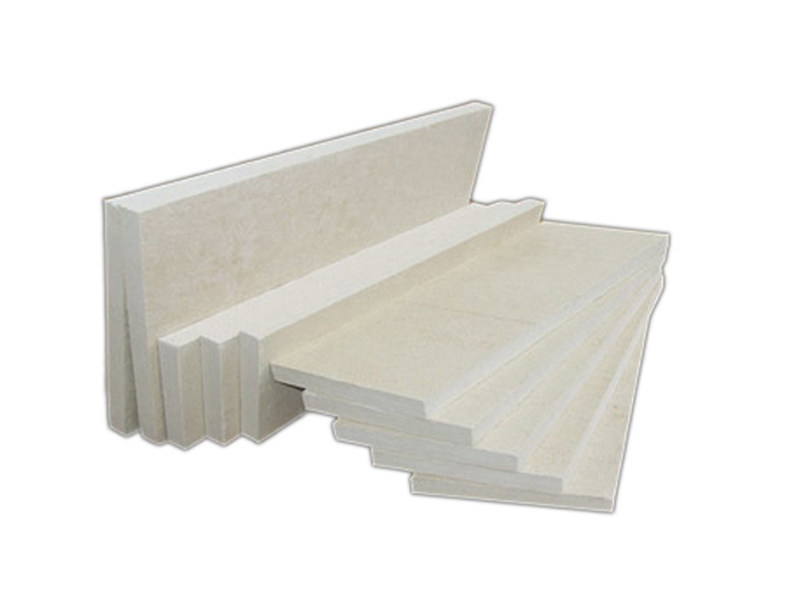
Main Application Fields of Ceramic fiber Insulation Materials
The application of Ceramic fiber insulation materials has covered multiple fields, including construction, industry, energy, transportation, and special environments. In the construction field, these materials are widely used in external wall insulation systems and integrated insulation and decoration panels, meeting the Class A non-flammability requirements for high-rise buildings, effectively reducing building energy consumption, and demonstrating stable thermal performance advantages in passive buildings. In the industrial sector, ceramic fiber blankets, modules, and boards are widely used in high-temperature kilns, thermal pipelines, and industrial equipment insulation systems. They not only reduce heat loss and improve energy efficiency but also lower equipment surface temperatures, improving operational safety. In the energy and transportation sectors, ceramic-based insulation materials are used in new energy vehicle battery compartments, data center pipelines, and LNG facilities, effectively addressing safety and energy efficiency challenges under high or low-temperature conditions. In the aerospace field, their application in engine compartments and thermal protection systems significantly enhances structural durability and operational safety.
Furthermore, in chemical, coastal, and highly corrosive environments, ceramic fiber insulation materials demonstrate superior long-term stability compared to traditional organic materials due to their weather resistance, corrosion resistance, and anti-aging properties, and are gradually expanding into emerging application scenarios such as cold chain logistics and agricultural greenhouses.
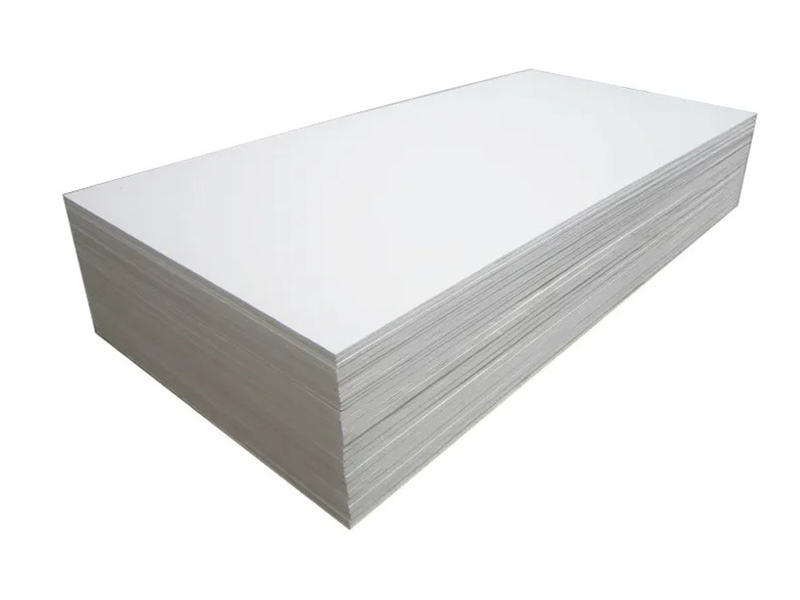
The Comprehensive Impact and Industrial Value of ceramic fiber insulation Materials
The widespread application of ceramic fiber insulation materials has had a significant impact on energy efficiency, safety performance, industrial upgrading, and environmental sustainability. In terms of energy conservation and emission reduction, the adoption of ceramic-based insulation solutions in building and industrial systems effectively reduces heat loss and fossil fuel consumption, becoming a crucial technological support for the green transformation of energy-intensive industries under the "dual carbon" goals.
In terms of safety, the non-combustible nature of these materials reduces fire risks at the source, significantly improving system safety levels in the building and high-temperature equipment sectors. At the industrial level, the development of ceramic fiber insulation materials has driven the resource utilization of solid waste and the improvement of the new building materials industry chain, while also promoting technological upgrades in the building industrialization and high-end equipment manufacturing fields. Their long service life and low carbon footprint throughout their lifecycle also align with the long-term requirements of the circular economy and sustainable development.
Conclusion
Overall, ceramic fiber insulation materials are demonstrating comprehensive value through continuous technological innovation and application expansion, improving energy efficiency, ensuring safe operation, and promoting resource recycling. With the continuous growth of demand for green buildings, new energy, and high-end manufacturing, the role of these materials in global low-carbon development and industrial upgrading is expected to further strengthen.
Related Products
Inquiry Now
Please leave your e-mail and we will contact you as soon as possible
+86-15264257623 Jacky Liu
1003, Building 1,The Fortune Zone, No.17 Lian yungang Road,Qingdao,China
For more details, welcome to message us.
Copyright © 2025 Qingdao laurent new materials co.,ltd.All Rights Reserved.
 Powered by HiCheng
contact us
Your satisfaction is our top priority. Whether you have questions, need support, or want to share feedback, our dedicated team is ready to assist you every step of the way.