Ceramic Fiber Textile: Flexible High-Temperature Protection for Industrial Thermal Systems
As industrial processes continue to operate under increasingly extreme thermal conditions, insulation and protection materials must combine heat resistance with flexibility and reliability. Ceramic fiber textile has emerged as a specialized solution designed to perform where conventional rigid refractories or insulation materials cannot. Its unique structure allows it to provide thermal protection, mechanical flexibility, and long-term stability in demanding high-temperature environments.
Ceramic fiber textile is manufactured from high-purity ceramic fibers, typically alumina-silica based, which are spun into yarns and then woven, braided, or stitched into various textile forms. Common ceramic fiber textile products include cloth, tape, rope, sleeve, and fabric. Reinforcement with glass fiber or inconel wire is often used to enhance tensile strength and abrasion resistance without compromising thermal performance.
One of the defining characteristics of ceramic fiber textile is its excellent temperature resistance. Depending on construction and reinforcement type, ceramic fiber textile can withstand continuous exposure to temperatures up to 1000°C and short-term exposure at even higher levels. This makes ceramic fiber textile suitable for direct contact with hot surfaces, molten splash zones, and high-temperature gas flows.
Thermal insulation is another key advantage of ceramic fiber textile. The fibrous structure traps air within the textile matrix, reducing heat transfer while maintaining a lightweight profile. When used as thermal wraps, curtains, or protective covers, ceramic fiber textile effectively limits radiant heat loss and protects surrounding equipment and personnel from excessive surface temperatures.
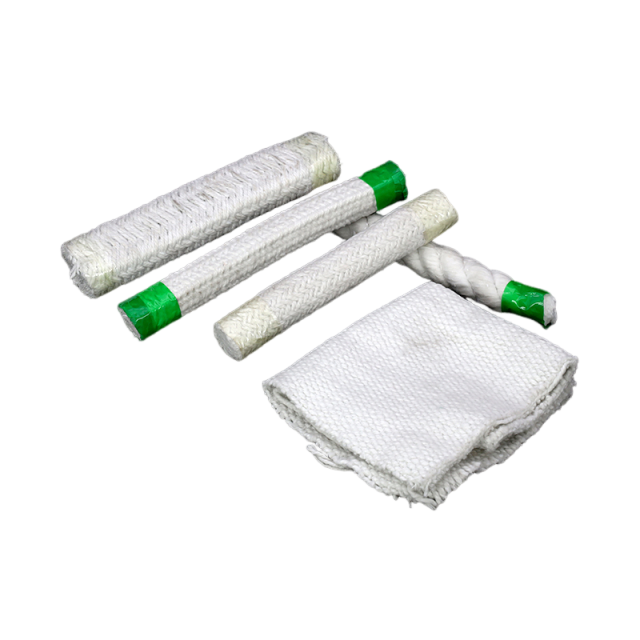
Flexibility sets ceramic fiber textile apart from many traditional refractory materials. Unlike rigid boards or bricks, ceramic fiber textile can bend, fold, and conform to complex shapes. This flexibility makes ceramic fiber textile ideal for sealing expansion joints, wrapping irregular piping, insulating valves, and protecting flanges where movement and vibration are present.
In industrial applications, ceramic fiber textile is widely used across metallurgy, petrochemical processing, power generation, and glass manufacturing. In steel plants, ceramic fiber textile serves as thermal shielding for ladles, tundishes, and hot metal transfer systems. In petrochemical facilities, ceramic fiber textile is applied to high-temperature piping, reactors, and exhaust systems where removable insulation is required for maintenance access.
Ceramic fiber textile also plays an important role in fire protection systems. Fire-resistant curtains, welding blankets, and thermal barriers made from ceramic fiber textile provide reliable protection against sparks, molten metal splashes, and radiant heat. These applications benefit from the material’s non-combustibility and low smoke generation under extreme conditions.
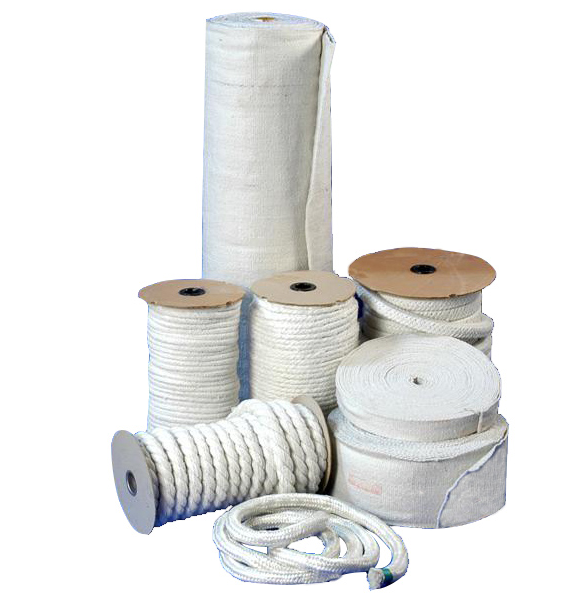
Chemical stability further enhances the performance of ceramic fiber textile. The material resists attack from most industrial chemicals, oils, and gases, maintaining structural integrity in aggressive environments. This stability allows ceramic fiber textile to perform consistently in incinerators, chemical reactors, and flue gas systems.
From an installation and maintenance standpoint, ceramic fiber textile offers clear advantages. Lightweight construction simplifies handling and reduces installation time. Many ceramic fiber textile products are reusable, allowing them to be removed and reinstalled during equipment servicing. This contributes to reduced downtime and lower long-term maintenance costs.
With increasing emphasis on workplace safety and environmental compliance, low bio-soluble ceramic fiber textile has gained wider acceptance. These products are engineered to meet modern health and safety standards while retaining the thermal performance expected from ceramic fiber textile. As regulations evolve, demand for compliant ceramic fiber textile solutions continues to grow globally.
In long-term operation, ceramic fiber textile helps protect critical equipment components, reduce heat loss, and improve operational safety. By providing flexible insulation and thermal shielding, it supports efficient process control and extends equipment service life.
Overall, ceramic fiber textile remains an essential material in modern high-temperature industries. Its combination of heat resistance, flexibility, chemical stability, and ease of installation makes it uniquely suited for applications where rigid insulation materials fall short. As industrial systems demand greater adaptability and protection, ceramic fiber textile will continue to play a vital role in advanced thermal management and refractory protection solutions worldwide.
Related Products
Inquiry Now
Please leave your e-mail and we will contact you as soon as possible
+86-15264257623 Jacky Liu
1003, Building 1,The Fortune Zone, No.17 Lian yungang Road,Qingdao,China
For more details, welcome to message us.
Copyright © 2025 Qingdao laurent new materials co.,ltd.All Rights Reserved.
 Powered by HiCheng
contact us
Your satisfaction is our top priority. Whether you have questions, need support, or want to share feedback, our dedicated team is ready to assist you every step of the way.