High Temperature Insulation Board: Reliable Thermal Protection for Extreme Heat Applications
In modern industrial environments where energy efficiency and thermal stability are critical, high temperature insulation board has become an essential material for effective heat management. Designed to withstand extreme temperatures while minimizing heat loss, high temperature insulation board is widely used in furnaces, kilns, and high-heat processing equipment across multiple industries.
High temperature insulation board is typically manufactured from advanced inorganic materials such as ceramic fibers, calcium silicate, or microporous compounds. Through precise formulation and controlled production processes, the board achieves a unique balance of low thermal conductivity, lightweight structure, and high service temperature capability. This combination allows high temperature insulation board to perform reliably in demanding thermal environments.
One of the most important advantages of high temperature insulation board is its excellent insulation performance. The internal microstructure contains uniformly distributed pores that effectively reduce heat transfer. By installing high temperature insulation board in furnace linings or thermal barriers, operators can significantly reduce energy consumption and maintain stable internal temperatures, leading to improved operational efficiency.
High service temperature resistance is another defining characteristic of high temperature insulation board. Depending on material composition, these boards can operate continuously at temperatures ranging from 800°C to over 1200°C, with some grades designed for even higher limits. Unlike conventional insulation materials, high temperature insulation board maintains dimensional stability and insulation efficiency even under prolonged exposure to extreme heat.
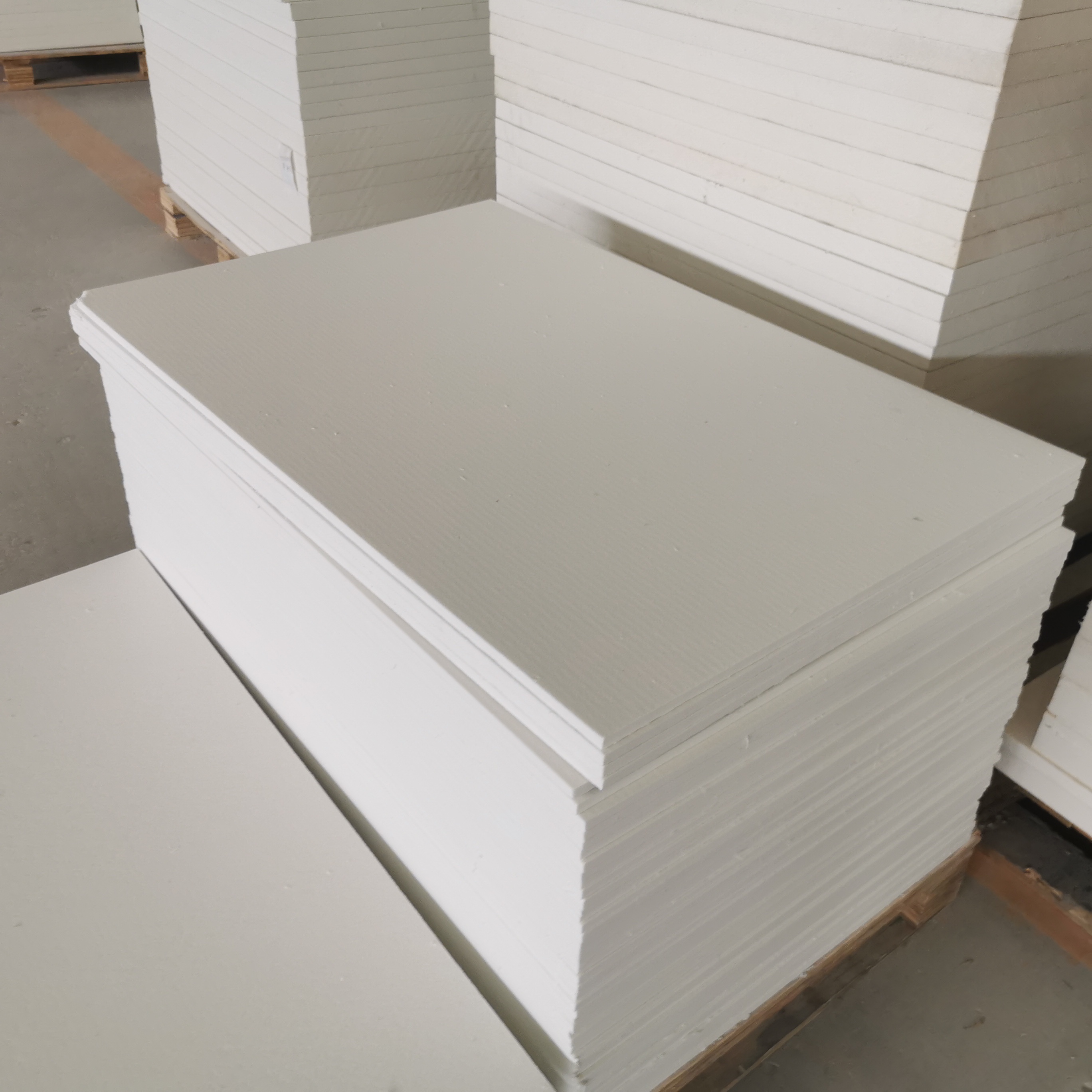
Mechanical strength and structural integrity also contribute to the reliability of high temperature insulation board. While lightweight, the board offers sufficient compressive strength to support layered furnace linings and resist deformation during installation and operation. This makes high temperature insulation board suitable for both hot-face applications and backup insulation layers.
Thermal shock resistance is particularly valuable in industrial systems that experience frequent temperature fluctuations. High temperature insulation board is engineered to accommodate rapid heating and cooling cycles without cracking or spalling. This property helps extend service life and reduces unexpected downtime caused by insulation failure.
High temperature insulation board is widely applied in steel reheating furnaces, heat treatment furnaces, ceramic kilns, glass melting equipment, petrochemical heaters, and non-ferrous metal processing units. It is commonly used as wall, roof, and door insulation, as well as in expansion joints and thermal barriers where space-saving insulation solutions are required.
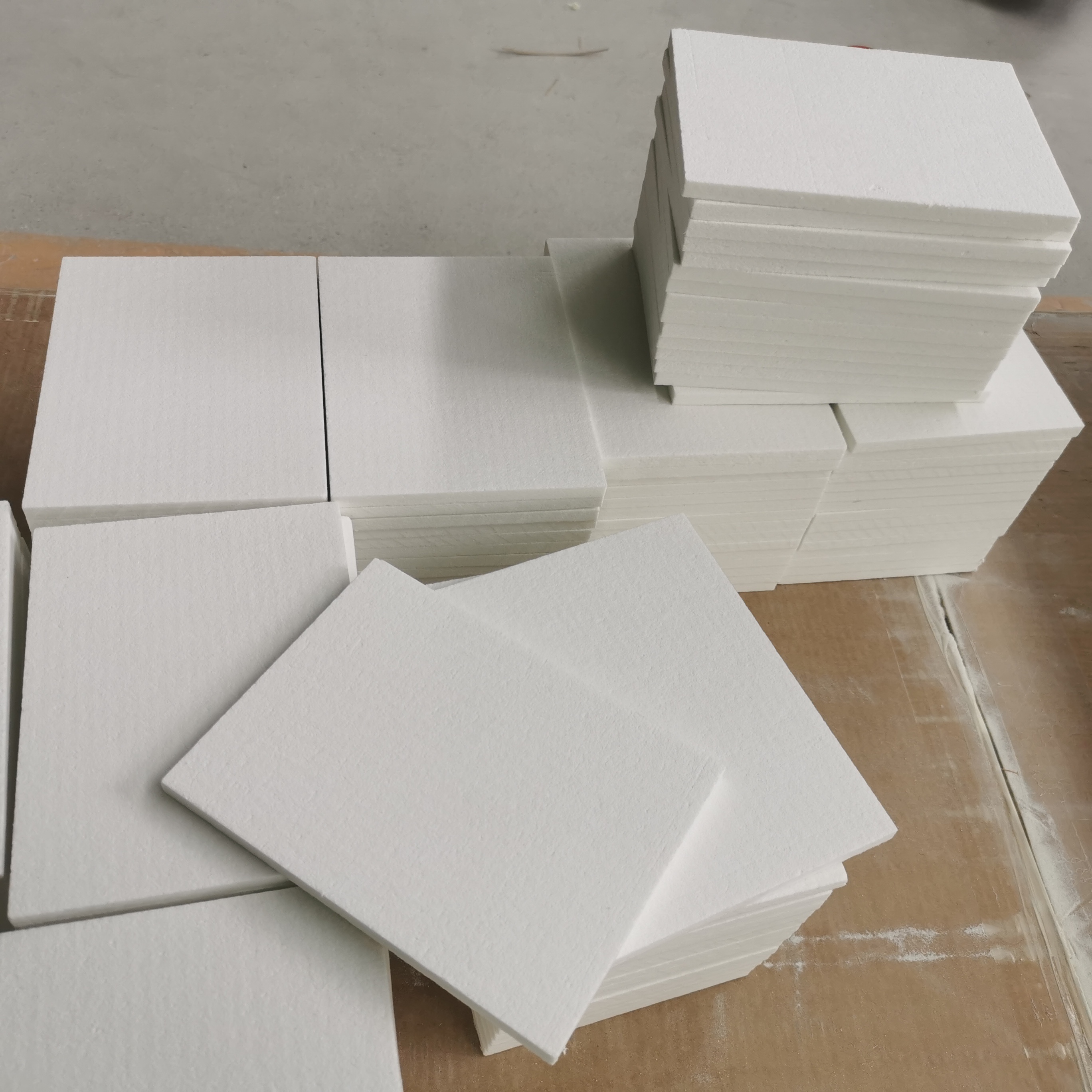
Installation flexibility is another advantage of high temperature insulation board. The boards can be easily cut, drilled, and shaped to meet specific design requirements, allowing for precise fitting in complex furnace structures. This reduces installation time and labor costs while ensuring optimal insulation coverage.
From an environmental and economic perspective, high temperature insulation board contributes to long-term cost savings. Improved thermal efficiency lowers fuel or electricity consumption, while reduced heat loss decreases carbon emissions. Additionally, the long service life of high temperature insulation board minimizes replacement frequency and maintenance expenses.
Safety considerations also support the use of high temperature insulation board. By reducing external surface temperatures of equipment, the board helps protect workers from accidental burns and creates a safer operating environment. Lower shell temperatures also reduce thermal stress on supporting steel structures, extending overall equipment lifespan.
In conclusion, high temperature insulation board is a high-performance insulation solution tailored for extreme heat conditions. With its low thermal conductivity, high temperature resistance, mechanical stability, and installation versatility, high temperature insulation board plays a crucial role in enhancing energy efficiency, safety, and reliability in industrial thermal systems. As industries continue to pursue sustainable and efficient operations, high temperature insulation board remains a trusted choice for advanced thermal insulation applications.
Related Products
Inquiry Now
Please leave your e-mail and we will contact you as soon as possible
+86-15264257623 Jacky Liu
1003, Building 1,The Fortune Zone, No.17 Lian yungang Road,Qingdao,China
For more details, welcome to message us.
Copyright © 2025 Qingdao laurent new materials co.,ltd.All Rights Reserved.
 Powered by HiCheng
contact us
Your satisfaction is our top priority. Whether you have questions, need support, or want to share feedback, our dedicated team is ready to assist you every step of the way.