Calcium Silicate Board: Stable Thermal Insulation for High-Temperature and Fire-Resistant Systems
Calcium silicate board is a rigid thermal insulation material developed for applications where long-term temperature stability, fire resistance, and structural reliability are required. It is manufactured through a controlled hydrothermal reaction between calcium compounds and silica, followed by high-pressure molding and curing. This process creates a stable crystalline structure dominated by calcium silicate hydrates, which gives the board consistent performance under both thermal and mechanical stress.
One of the defining characteristics of calcium silicate board is its ability to maintain shape and strength at elevated temperatures while remaining lightweight compared with dense refractory materials. Typical service temperatures range from 650°C to 1100°C depending on formulation and density. Unlike fibrous insulation products, calcium silicate board does not rely on trapped air alone for insulation; instead, its fine, uniform pore structure limits heat transfer while providing sufficient compressive strength for load-bearing insulation layers.
In industrial environments, calcium silicate board is widely used as backup insulation behind refractory brick linings in furnaces, kilns, and heaters. Its low thermal conductivity reduces heat loss through furnace walls, improving energy efficiency and stabilizing shell temperatures. At the same time, its dimensional stability helps prevent insulation collapse or shrinkage during long operating cycles, which is critical in continuous-process equipment.
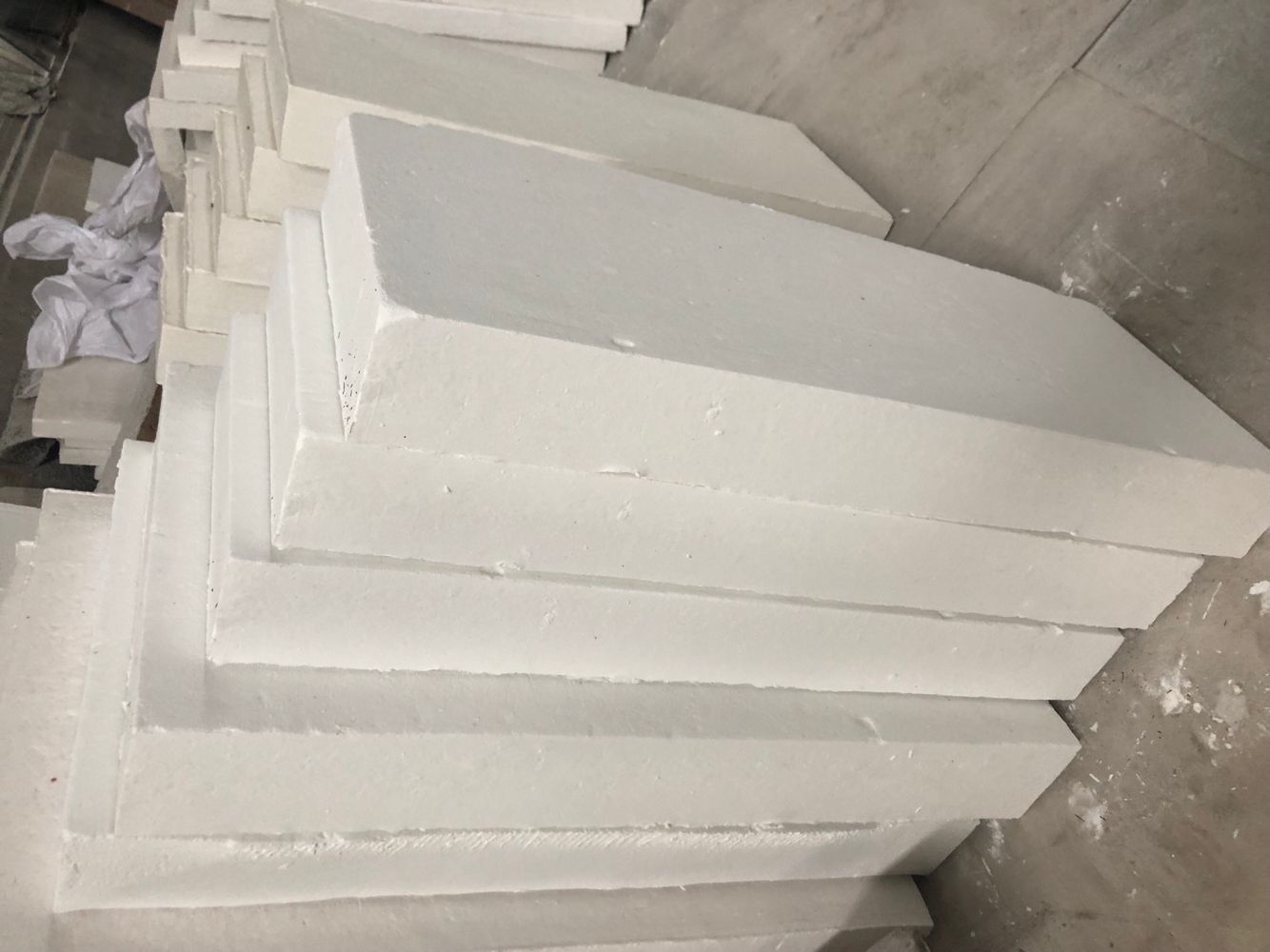
Calcium silicate board also performs reliably in applications involving repeated heating and cooling. The material shows low permanent linear shrinkage when properly installed and dried, allowing it to accommodate normal thermal cycling without cracking or warping. This makes calcium silicate board suitable for power generation boilers, petrochemical reactors, heat treatment furnaces, and industrial ovens where operating temperatures fluctuate.
Beyond heavy industry, calcium silicate board plays an important role in fire protection systems within the construction sector. It is commonly used for fire-rated walls, ceilings, cable protection, fire doors, and structural steel encasement. Because calcium silicate board is non-combustible and does not release toxic gases when exposed to fire, it contributes to improved building safety and compliance with strict fire-resistance standards.
Moisture resistance is another practical advantage. While calcium silicate board is not waterproof, it retains insulation performance after controlled drying if exposed to humidity during installation. This characteristic is particularly valuable in industrial sites and shipbuilding environments where condensation may occur. The board can be cut, drilled, and shaped using standard tools, allowing precise installation with minimal waste.
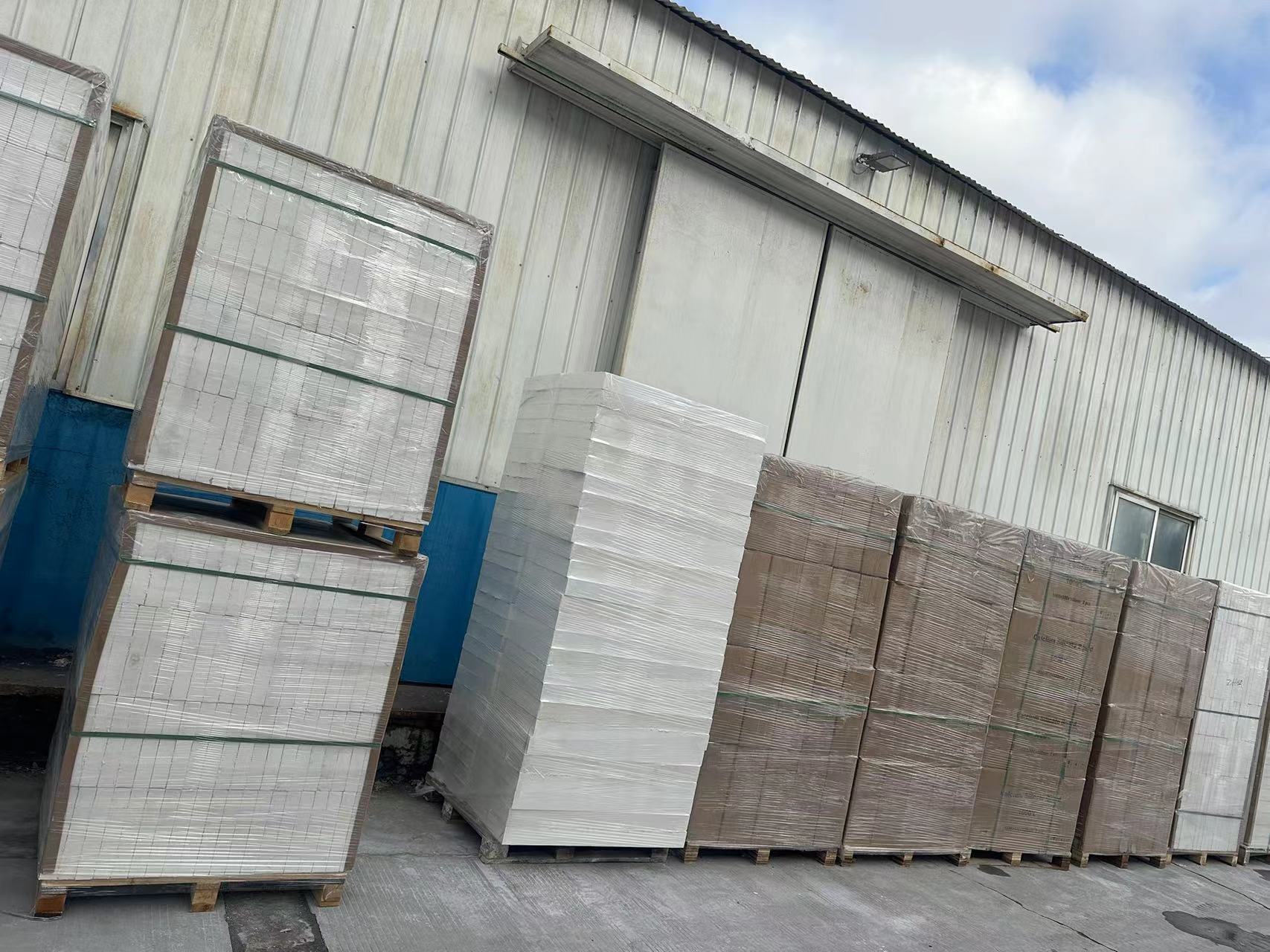
From a chemical standpoint, calcium silicate board remains stable in most neutral and mildly alkaline environments. This supports its use in equipment where insulation layers are exposed to industrial atmospheres rather than direct slag or molten metal contact. When combined with dense refractories or ceramic fiber materials, calcium silicate board forms part of a layered insulation system that balances strength, insulation efficiency, and service life.
As industries continue to focus on energy efficiency, fire safety, and long-term operational stability, calcium silicate board remains a reliable insulation solution. Its value lies not in extreme temperature resistance alone, but in predictable performance, structural integrity, and compatibility with modern refractory system design.
Related Products
Inquiry Now
Please leave your e-mail and we will contact you as soon as possible
+86-15264257623 Jacky Liu
1003, Building 1,The Fortune Zone, No.17 Lian yungang Road,Qingdao,China
For more details, welcome to message us.
Copyright © 2025 Qingdao laurent new materials co.,ltd.All Rights Reserved.
 Powered by HiCheng
contact us
Your satisfaction is our top priority. Whether you have questions, need support, or want to share feedback, our dedicated team is ready to assist you every step of the way.