Acid Resistant Brick for Chemical Protection and Industrial Applications
In industrial sectors where strong acids, alkalis, and corrosive chemicals are constantly present, material failure is not just a maintenance issue—it is a safety and cost risk. Acid resistant brick has become a critical solution in these environments due to its ability to withstand chemical attack while maintaining structural integrity over long service periods. Also widely referred to as acid proof brick or chemical resistant brick, this material is specifically engineered for durability in aggressive conditions.
From a professional standpoint, acid resistant brick is typically manufactured using high-silica clay or specially formulated ceramic compositions, fired at high temperatures to achieve low porosity and high density. These properties are essential because they prevent acid penetration and reduce the risk of internal degradation. Compared to conventional refractory materials, acid proof brick offers superior resistance to sulfuric acid, hydrochloric acid, and other industrial chemicals, making it a preferred lining material in chemical plants, pickling tanks, and wastewater treatment systems.
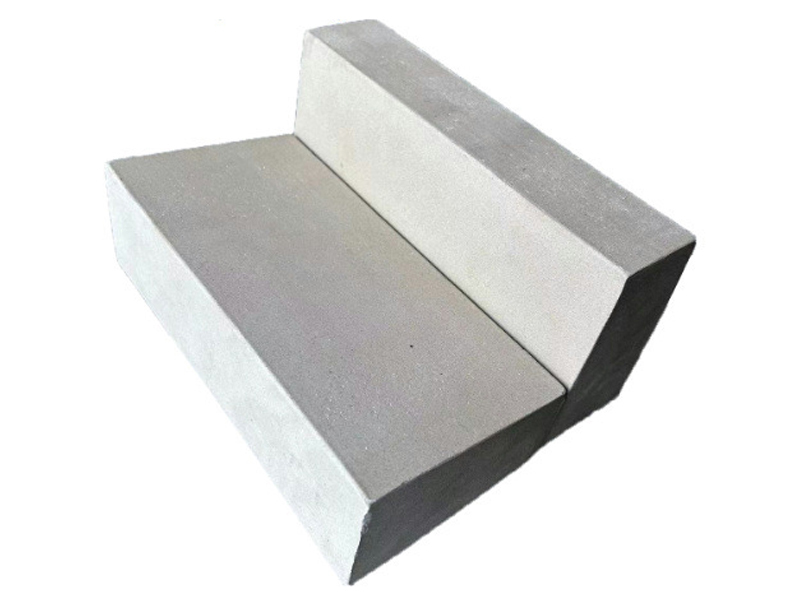
In practical installation, the performance of acid resistant brick depends as much on workmanship as on the material itself. One key lesson from field experience is that selecting the correct bonding material is critical. Standard cement mortar cannot be used; instead, chemical-resistant mortar must be applied to ensure compatibility with the chemical resistant brick. During a project involving the lining of an acid storage tank, improper joint filling initially caused localized leakage. After replacing the joints with proper resin-based mortar, the acid proof brick lining achieved full sealing performance and long-term stability.
Another important operational detail is surface preparation. Before installing acid resistant brick, the substrate must be clean, dry, and free from dust or oil contamination. Even minor impurities can compromise adhesion. When laying chemical resistant brick, maintaining uniform joint thickness is essential to prevent stress concentration under thermal expansion. Experienced technicians often pre-soak certain types of acid proof brick depending on site humidity conditions, ensuring better bonding and reduced cracking risk.
A real case from a fertilizer plant illustrates the value of acid resistant brick in extending equipment life. The facility experienced frequent corrosion damage in its phosphoric acid reaction tank. After switching to a full lining system using high-density acid resistant brick, combined with corrosion-resistant mortar, the maintenance cycle was extended from one year to over five years. The upgrade not only reduced downtime but also significantly lowered overall operating costs. In this scenario, the use of chemical resistant brick proved to be a long-term investment rather than a short-term expense.
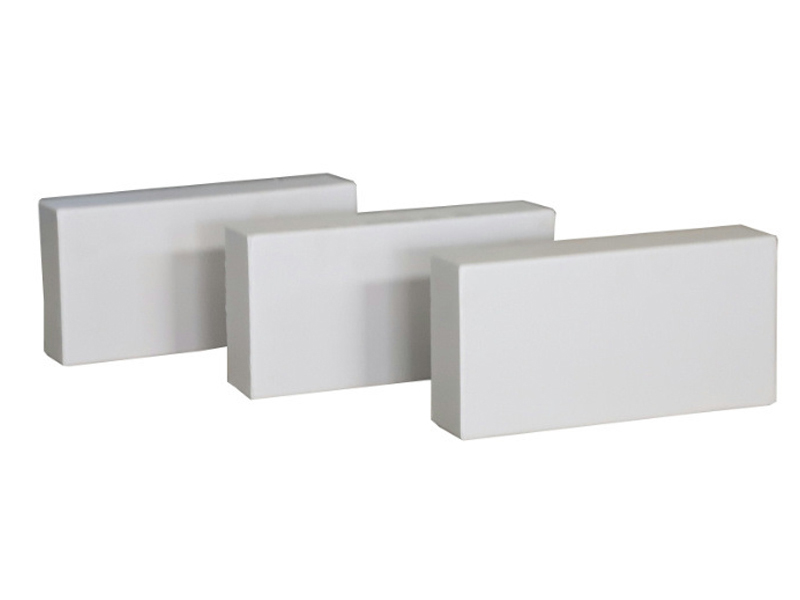
From a procurement perspective, buyers often compare options based on price alone, but experienced engineers evaluate acid resistant brick based on performance metrics such as water absorption rate, compressive strength, and acid resistance index. While lower-cost acid proof brick products may appear attractive initially, they often fail prematurely under continuous chemical exposure. Selecting a high-quality chemical resistant brick ensures consistent performance and minimizes hidden costs associated with repairs and shutdowns.
In daily operation, maintenance teams should periodically inspect the integrity of acid resistant brick linings, especially in areas exposed to temperature fluctuations or mechanical impact. Small cracks or joint failures should be repaired immediately to prevent chemical infiltration. Properly installed and maintained acid proof brick systems can operate reliably for many years, even in highly corrosive environments.
Ultimately, acid resistant brick remains one of the most trusted materials for chemical protection in industrial applications. Its combination of chemical stability, mechanical strength, and long service life makes it indispensable wherever corrosion resistance is a priority. Whether referred to as acid proof brick or chemical resistant brick, the key to success lies in selecting the right product and applying it with proven installation practices.
Related Products
Inquiry Now
Please leave your e-mail and we will contact you as soon as possible
+86-15264257623 Jacky Liu
1003, Building 1,The Fortune Zone, No.17 Lian yungang Road,Qingdao,China
For more details, welcome to message us.
Copyright © 2025 Qingdao laurent new materials co.,ltd.All Rights Reserved.
 Powered by HiCheng
contact us
Your satisfaction is our top priority. Whether you have questions, need support, or want to share feedback, our dedicated team is ready to assist you every step of the way.