Ceramic Fiber Insulation Module for Energy Efficient Furnaces
Ceramic fiber module has become one of the most widely used insulation solutions in modern high-temperature industrial systems. In applications where energy efficiency, fast installation, and long service life are critical, both standard ceramic fiber module systems and customized refractory insulating modules provide a reliable alternative to traditional refractory linings. From furnaces to kilns and petrochemical heaters, the demand for high-performance ceramic fiber insulation module solutions continues to grow due to their lightweight structure and superior thermal properties.
From a professional perspective, a ceramic fiber module is typically made from high-purity alumina-silica fibers, compressed and folded into modular blocks. These modules are designed to be directly anchored to furnace shells, forming a continuous insulation layer. Compared with brick or castable linings, refractory insulating modules significantly reduce heat storage and thermal lag, allowing systems to heat up and cool down faster. This directly translates into energy savings and improved process control. In most industrial designs, engineers choose ceramic fiber insulation module configurations when they need both insulation performance and installation efficiency.
In practical installation, the performance of a ceramic fiber module system depends heavily on anchoring design and layout. Based on real project experience, one of the most important considerations is ensuring proper compression between adjacent refractory insulating modules. If modules are installed too loosely, gaps may form during thermal cycling, leading to heat loss. On the other hand, over-compression can damage the fiber structure of the ceramic fiber insulation module, reducing its insulating effectiveness. Experienced installers typically follow a staggered pattern to ensure tight sealing and long-term stability.
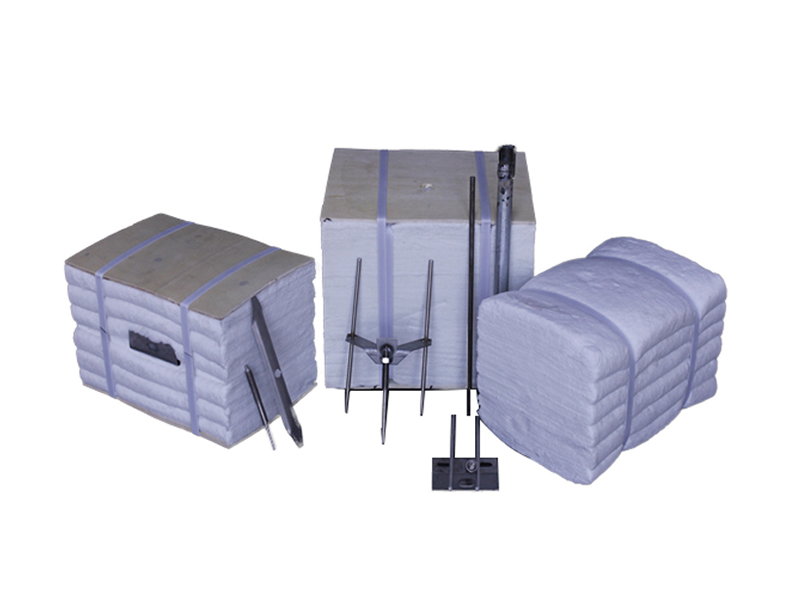
Another key operational detail is anchor material selection. In high-temperature environments, anchors must match the thermal expansion characteristics of the ceramic fiber module. In one furnace upgrade project, the use of inappropriate metal anchors led to deformation after several heating cycles, which caused partial detachment of the refractory insulating modules. After replacing them with heat-resistant alloy anchors, the ceramic fiber insulation module system performed reliably without further issues.
A real case from a steel heat-treatment plant demonstrates the practical value of ceramic fiber module systems. The plant originally used dense refractory bricks, resulting in high fuel consumption and slow heating cycles. After retrofitting the furnace with refractory insulating modules, the internal temperature uniformity improved significantly. By installing a high-density ceramic fiber insulation module lining, the company achieved energy savings of approximately 20% and reduced startup time by nearly 30%. In this case, the flexibility and low thermal mass of the ceramic fiber module made a measurable difference in operational efficiency.
From a procurement and engineering standpoint, selecting the right ceramic fiber module involves evaluating factors such as density, temperature rating, and module size. Not all refractory insulating modules are suitable for the same conditions. For example, higher-density ceramic fiber insulation module products are typically used in areas exposed to higher gas velocities or mechanical stress, while lower-density modules may be sufficient for static insulation zones. Experienced engineers always match the ceramic fiber module specification to the actual working conditions rather than relying solely on standard configurations.
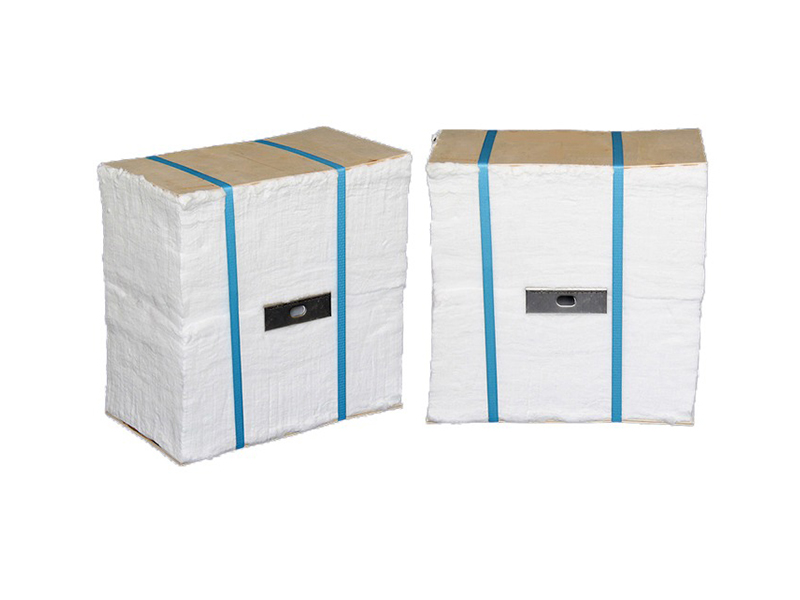
In daily operation, maintenance teams should periodically inspect the surface condition of the ceramic fiber module lining. Although refractory insulating modules are highly durable, mechanical damage or localized overheating can occur in specific zones. Minor surface erosion in a ceramic fiber insulation module does not necessarily require full replacement, but early detection helps prevent larger failures. In many plants, simple patching techniques are used to extend the service life of the existing ceramic fiber module system.
Ultimately, the widespread adoption of ceramic fiber module technology is driven by its balance of performance, efficiency, and practicality. Whether used as standard refractory insulating modules or customized ceramic fiber insulation module systems, these materials provide a dependable solution for high-temperature insulation challenges. For engineers and operators focused on long-term reliability and energy savings, investing in a well-designed ceramic fiber module system is a proven and cost-effective choice.
Related Products
Inquiry Now
Please leave your e-mail and we will contact you as soon as possible
+86-15264257623 Jacky Liu
1003, Building 1,The Fortune Zone, No.17 Lian yungang Road,Qingdao,China
For more details, welcome to message us.
Copyright © 2025 Qingdao laurent new materials co.,ltd.All Rights Reserved.
 Powered by HiCheng
contact us
Your satisfaction is our top priority. Whether you have questions, need support, or want to share feedback, our dedicated team is ready to assist you every step of the way.