Why Does Ceramic Fiber Wool Shrink or Deteriorate During Use?
Ceramic fiber wool is widely used in industrial furnaces, kilns, boilers, and high-temperature equipment. It helps reduce heat loss and maintain stable operating temperatures. However, after a period of use, some insulation may shrink, become brittle, lose thickness, or start to break apart.
These problems can affect insulation performance and increase maintenance costs. In some cases, damaged insulation also creates hot spots or exposes the furnace lining to higher temperatures.
Why does ceramic fiber wool deteriorate during use? The cause is not always the material itself. Temperature, furnace atmosphere, installation, mechanical stress, and material selection can all affect its service life.
High temperature is one of the main reasons ceramic fiber wool shrinks or deteriorates.
When ceramic fiber insulation is exposed to high temperatures for long periods, its fiber structure may gradually change. Depending on the material composition and temperature, fibers can undergo crystallization and structural changes. These changes may reduce flexibility and increase shrinkage.
The rated temperature of a product does not always mean it can operate continuously at that temperature without changes in performance. Classification temperature and recommended continuous operating temperature are different.
If ceramic fiber wool is used under conditions that exceed its suitable operating range, it may become harder, shrink, or lose some of its original insulating properties.
When selecting ceramic fiber wool insulation, buyers should consider the actual working temperature, temperature fluctuations, and duration of exposure rather than relying only on the temperature rating.
Industrial furnaces do not always operate at a constant temperature. Some equipment is heated, cooled, shut down, and restarted regularly.
Repeated thermal cycles cause insulation materials to expand and contract. Over time, these changes may affect the fiber structure and the stability of the lining.
Different furnace areas may also experience different temperature changes. Areas near burners, furnace doors, and openings may face more severe thermal conditions than other sections.
If the insulation is not suitable for these temperature changes, shrinkage or cracks may develop. Gaps between insulation layers can allow heat to escape, reducing the effectiveness of the furnace lining.
For equipment with frequent start-ups and shutdowns, thermal cycling should be considered when choosing ceramic fiber wool and designing the insulation structure.
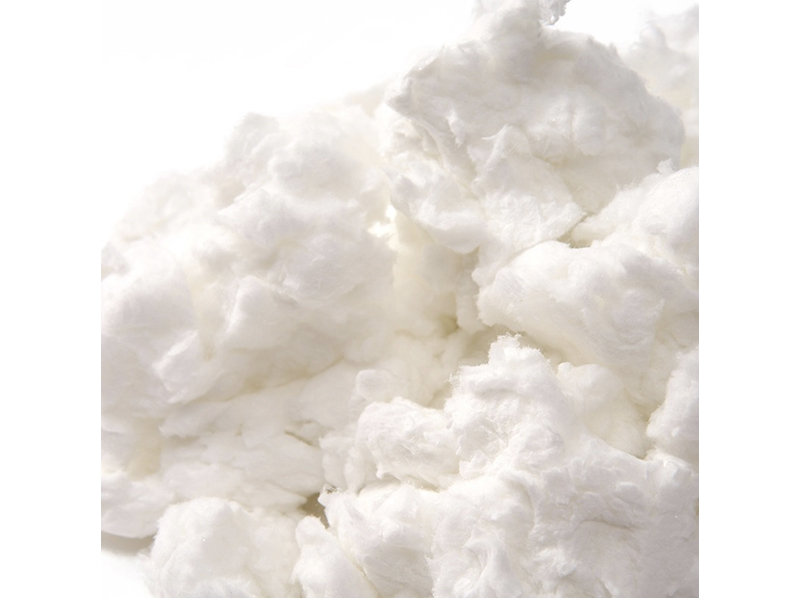
Installation problems are another common reason for ceramic fiber insulation deterioration.
If ceramic fiber blanket or wool is compressed too much during installation, its thickness and structure may change. Excessive compression can affect its insulation performance and may create uneven stress in the lining.
Insufficient fixing can also cause problems. In furnace walls or roofs, insulation may move, sag, or separate from adjacent materials when the supporting structure is unsuitable.
Poor installation may lead to gaps, loose sections, or uneven insulation thickness. These problems can become more noticeable after repeated heating.
The insulation thickness, fixing method, joints, and supporting structure should be considered together. Proper installation helps maintain the intended insulation structure during operation.
Ceramic fiber wool is lightweight, but it may be damaged by strong airflow, vibration, or direct mechanical contact.
In furnaces with high-speed gas flow, burner movement, or frequent equipment vibration, fibers may gradually loosen or erode. If the insulation is exposed directly to strong airflow, the surface may deteriorate faster.
Mechanical damage may also occur during installation, maintenance, or replacement. Repeated handling can break the insulation structure, especially when the material has already become brittle after high-temperature exposure.
For areas with strong airflow or mechanical impact, the insulation design may require protective layers, suitable fixing structures, or more appropriate insulation products.
The furnace atmosphere can also affect ceramic fiber wool insulation.
Some industrial processes contain alkaline substances, metal oxides, dust, vapors, or other chemical components. Under high temperatures, these substances may react with ceramic fibers and change their structure.
Chemical attack may cause fiber degradation, reduced strength, or accelerated deterioration. The risk depends on the chemical composition of the atmosphere, operating temperature, exposure time, and fiber type.
For example, insulation used in a relatively clean heating furnace may have different service conditions from insulation used in a furnace containing corrosive vapors or process dust.
When choosing ceramic fiber wool insulation, it is important to provide information about the furnace atmosphere instead of considering temperature alone.
Ceramic fiber wool may become harder or more brittle after long-term exposure to high temperatures.
As the fibers undergo thermal changes, they may lose some flexibility. In certain conditions, the fiber structure can change through crystallization or other high-temperature processes. The material may no longer feel as soft as it did when new.
Some products may also contain binders or other additives, depending on the type and manufacturing process. During initial heating, organic binders may burn off, which can cause temporary smoke or changes in the material. This is not necessarily the same as long-term fiber deterioration.
If the insulation becomes brittle, cracks easily, or breaks apart during handling, its condition should be evaluated before reuse.
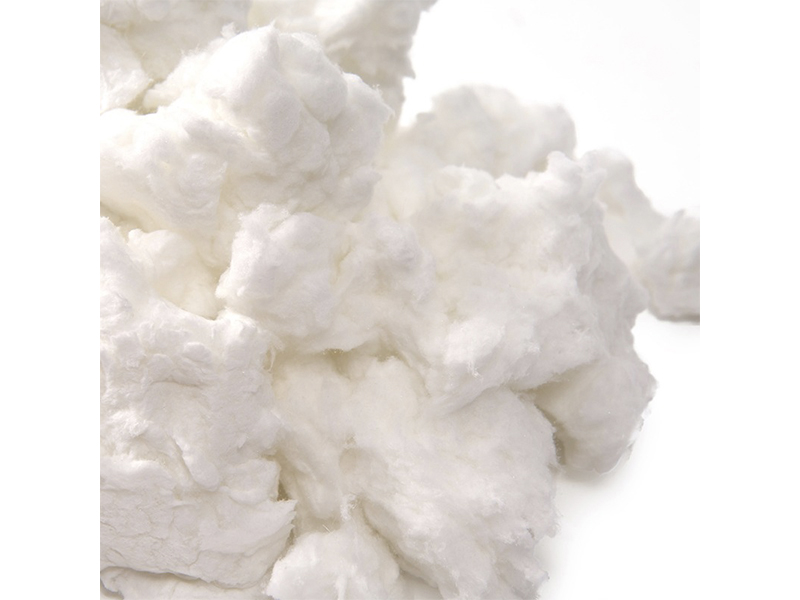
The service life of ceramic fiber wool depends on both the material and how it is used. The following practices can help reduce premature damage:
Select the appropriate fiber grade according to the actual operating temperature.
Consider temperature fluctuations and furnace atmosphere before choosing insulation.
Avoid excessive compression during installation.
Use suitable anchors, supports, and fixing methods where required.
Protect insulation from strong airflow, mechanical damage, and chemical exposure.
Inspect furnace lining regularly, especially around burner areas, doors, joints, and openings.
Replace insulation that has experienced severe shrinkage, damage, or loss of thickness.
For high-temperature equipment, the insulation structure should be designed according to the operating conditions rather than relying on the material alone.
When replacing damaged ceramic fiber wool, simply purchasing the same thickness may not solve the problem. If the original material deteriorated because of excessive temperature, chemical exposure, or poor installation, the same failure may happen again.
Before purchasing ceramic fiber wool for sale, buyers should confirm the following specifications:
Classification temperature and recommended continuous operating temperature
Fiber type and material composition
Density and thickness
Thermal conductivity
Furnace atmosphere and operating conditions
Required dimensions and installation method
For ceramic fiber wool insulation used in furnace walls, roofs, doors, or pipes, the product should match the specific application. A suitable material and proper installation can help reduce heat loss and avoid premature insulation replacement.
If the original insulation has shrunk or deteriorated, providing photographs of the damaged area, operating temperature, and installation details can help the supplier recommend a more suitable product.
Ceramic fiber wool shrinkage and deterioration are often related to excessive temperature, repeated thermal cycling, installation problems, mechanical erosion, or chemical exposure. These factors may work together and gradually affect the insulation structure.
Finding the actual cause is important before replacing damaged insulation. Selecting a suitable ceramic fiber wool insulation grade and improving installation conditions can help maintain furnace performance and reduce unnecessary maintenance.
If you are looking for ceramic fiber wool for sale or planning to replace existing furnace insulation, contact Laurel with your operating temperature, product dimensions, and application details to discuss suitable material options.
Related Products
Inquiry Now
Please leave your e-mail and we will contact you as soon as possible
+86-15264257623 Jacky Liu
1003, Building 1,The Fortune Zone, No.17 Lian yungang Road,Qingdao,China
For more details, welcome to message us.
Copyright © 2025 Qingdao laurent new materials co.,ltd.All Rights Reserved.
 Powered by HiCheng
contact us
Your satisfaction is our top priority. Whether you have questions, need support, or want to share feedback, our dedicated team is ready to assist you every step of the way.