How to Choose Custom Plastic Castable for Industrial Furnaces
Industrial furnaces need refractory materials that can handle high temperatures and harsh working conditions. The right material helps protect the furnace lining and reduce maintenance needs.
Custom plastic castable can be considered for some furnace lining and repair jobs. The material must match the working temperature, installation area, and service conditions.
Before choosing a product, buyers should understand its properties, installation method, and main uses. This guide explains the key points to check when selecting plastic refractory for industrial furnaces.
Plastic refractory is a ready-to-use refractory material with a plastic or moldable texture. It can be shaped or pressed into place during installation.
It is often supplied in a moist, prepared form. The exact composition depends on the product grade and intended use.
Plastic refractory can be used for furnace linings, repairs, and areas with special shapes. Some grades are designed for high wear or high-temperature service.
The term plastic refractory castable may be used in product searches, but plastic refractory and conventional castable are not always the same material. Plastic refractory is usually shaped or rammed into place. Conventional castable is generally mixed with water or another specified liquid and placed by casting, pouring, or gunning.
Buyers should confirm the actual product type before ordering.
Working temperature is one of the first points to consider.
Different furnace areas may have different temperature conditions. The hot face may face direct heat, while other areas operate at lower temperatures.
Check the normal operating temperature and any temperature peaks. Also consider how often the furnace heats up and cools down.
Do not choose a product based only on its maximum temperature rating. The material must also suit the atmosphere, load, and operating cycle.
When requesting custom plastic castable, provide the supplier with the actual temperature range. This helps narrow down the suitable grades.
The position of the lining affects material selection.
For example, furnace walls, floors, doors, and burner areas may face different working conditions.
Some areas need better resistance to wear. Others need to withstand direct heat or repeated temperature changes.
Plastic refractory can be useful in areas where the material can be rammed into place and shaped to fit the lining design.
However, not every furnace area is suitable for plastic refractory. The final choice depends on the product grade and the installation requirements.
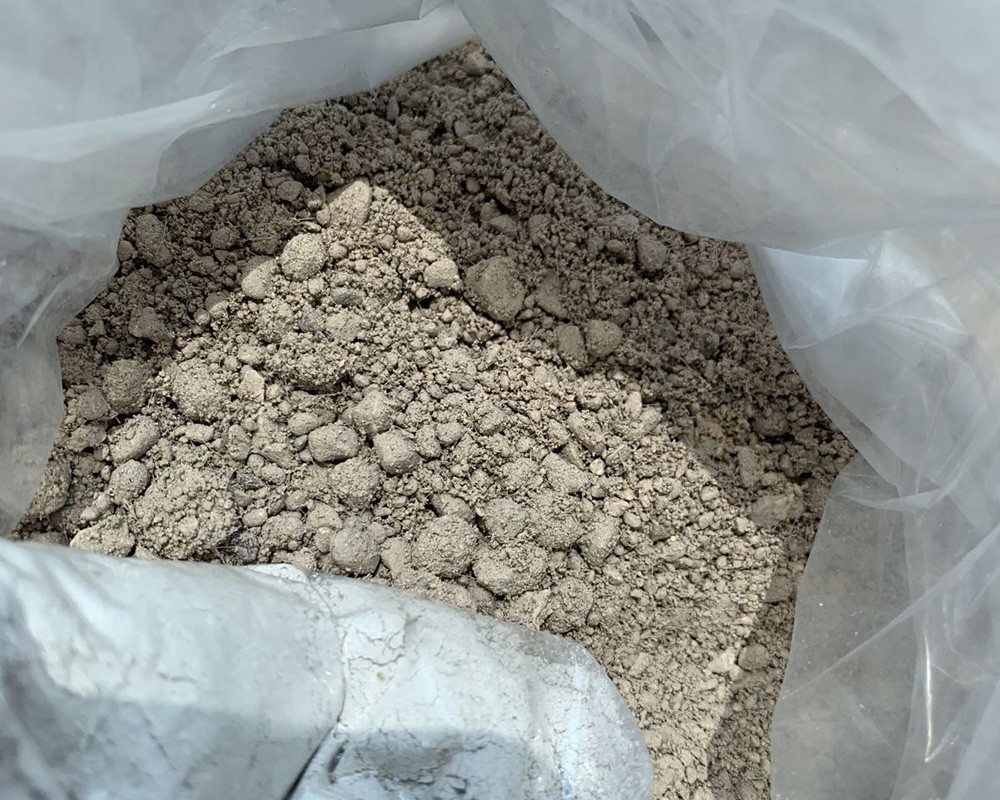
Heat is not the only factor that can damage a refractory lining.
Dust, slag, metal contact, gas flow, and chemical attack can also affect service life. Mechanical impact may cause further damage.
Before selecting plastic refractory, identify the main risks in the working area.
For example, a lining exposed to strong abrasion may need a grade with suitable wear resistance. Areas exposed to corrosive materials may require a different composition.
Give the supplier clear details about the working atmosphere and materials that contact the lining. These details help avoid an unsuitable grade.
Installation requirements are important when choosing custom plastic castable.
Plastic refractory is commonly installed by ramming or another method specified for the product. The lining may need anchors, suitable tools, and careful joint treatment.
Conventional castable follows a different process. It may require mixing, placing, curing, and controlled heating.
These materials should not be treated as interchangeable. Their installation methods and moisture requirements can differ.
Before ordering, confirm the following points:
Required installation method
Lining thickness
Anchor type and layout, if needed
Joint design
Surface preparation
Drying and heating instructions
Following the product instructions helps reduce installation problems and supports more reliable lining performance.
Different plastic refractory grades use different raw materials and binders.
The composition affects heat resistance, strength, wear resistance, and other properties. The right choice depends on the furnace conditions.
Buyers should check the technical data sheet. Important items may include chemical composition, service temperature, bulk density, strength, and recommended applications.
Do not compare products by price alone. Two materials may have similar temperature ratings but different performance in actual service.
A suitable grade should meet the main needs of the furnace without adding unnecessary cost.
Custom plastic castable may be required for special furnace designs or repair work.
Before placing an order, provide the details of the project. These may include:
Furnace type
Installation area
Working temperature
Required material grade
Required quantity
Packaging requirements
Delivery schedule
If the project uses a special lining design, share drawings or measurements when available.
The supplier can then review the requirements and confirm whether the product is suitable. Customization should be based on real working conditions, not only on a requested product name.
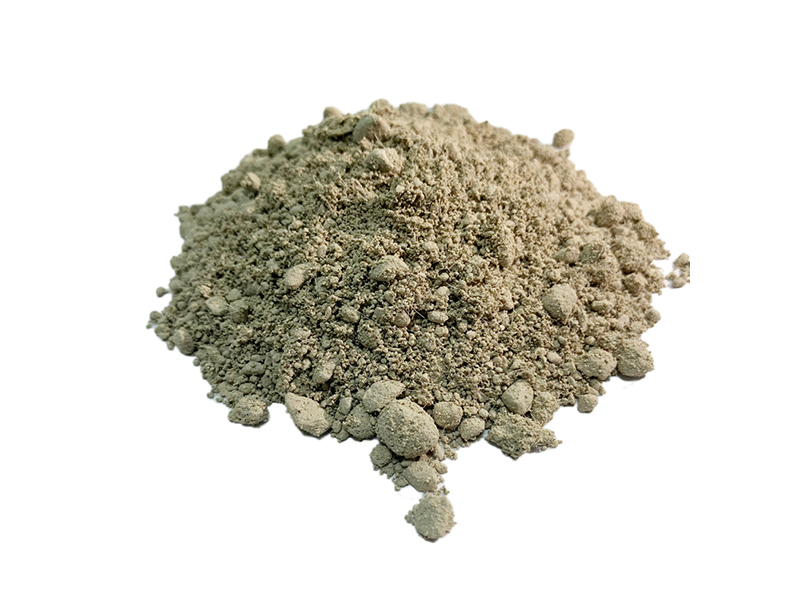
Plastic refractory and conventional castable have different installation methods.
Property | Plastic Refractory | Conventional Castable |
Supply form | Usually moist and ready to shape | Usually supplied dry |
Installation | Often rammed into place | Mixed and placed as specified |
Shape | Can be formed during installation | Takes shape in the formwork or installed area |
Water addition | Depends on product instructions | Usually requires a specified liquid |
Common uses | Selected furnace linings and repairs | Furnace linings, floors, and other castable areas |
The best choice depends on the furnace design, working conditions, and installation method.
Buyers should confirm the product type with the manufacturer. The term custom plastic castable should match the material that will actually be supplied.
Several mistakes can lead to poor lining performance.
Choosing only by temperature rating: Temperature is important, but wear, chemical attack, and mechanical load also matter.
Ignoring installation requirements: Incorrect ramming, joint treatment, or heating can affect the lining.
Using the wrong material type: Plastic refractory and conventional castable may require different tools and installation steps.
Providing limited project details: Without temperature, application, and installation information, it is harder to select the right grade.
Comparing price without checking specifications: Buyers should compare technical data and application suitability before making a decision.
A reliable supplier should be able to review the working conditions and provide clear product information.
Before placing a bulk order, ask for the technical data sheet and installation instructions. Confirm the product form, grade, packaging, quantity, and delivery time.
For custom orders, provide the furnace details and explain the main problem the material needs to address. This helps the supplier assess the request and recommend a suitable product.
Clear technical communication can reduce errors during purchasing and installation.
Choosing custom plastic castable starts with the working temperature, installation area, and service conditions.
Buyers should also check wear resistance, material composition, installation methods, and technical data. Plastic refractory and conventional castable have different properties and should be selected for their intended uses.
For industrial furnace projects, provide the supplier with the furnace type, operating temperature, lining position, and required quantity. These details help confirm whether a custom plastic refractory grade is suitable for the job.
Related Products
Inquiry Now
Please leave your e-mail and we will contact you as soon as possible
+86-15264257623 Jacky Liu
1003, Building 1,The Fortune Zone, No.17 Lian yungang Road,Qingdao,China
For more details, welcome to message us.
Copyright © 2025 Qingdao laurent new materials co.,ltd.All Rights Reserved.
 Powered by HiCheng
contact us
Your satisfaction is our top priority. Whether you have questions, need support, or want to share feedback, our dedicated team is ready to assist you every step of the way.