Ceramic Fiber Bulk: The Core Material Behind High-Efficiency Thermal Insulation
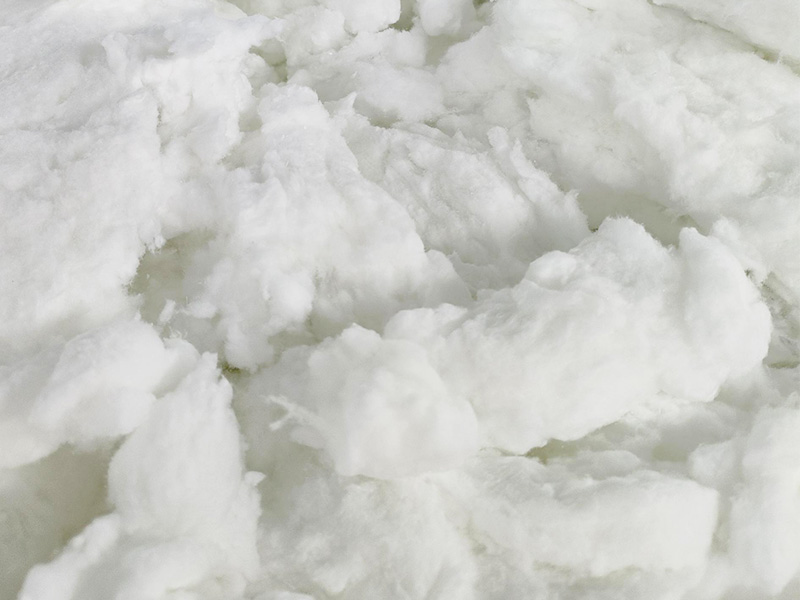
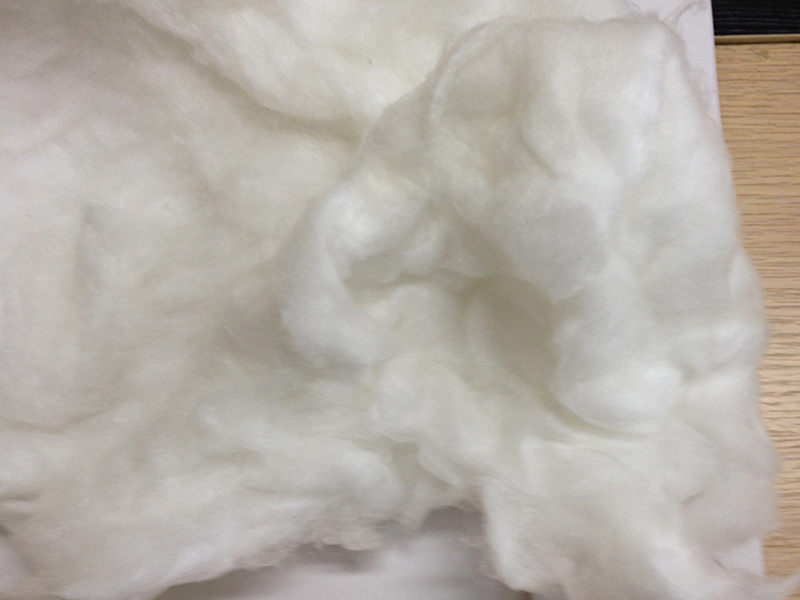
In the field of high-temperature insulation, the base material often determines the performance of the entire system. Among all fiber-based refractories, ceramic fiber bulk plays a foundational role. Before it becomes blankets, boards, modules, papers, or shaped parts, it starts as loose, high-purity fiber—lightweight, chemically stable, and engineered to perform in extreme heat environments.
Material Characteristics and Fiber Structure
The defining strength of ceramic fiber bulk lies in its microstructure. Manufactured by melting and blowing high-purity alumino-silicate materials, the fiber forms a web-like structure with low density and low thermal conductivity. This structure traps air within the fiber network, delivering strong insulation even under continuous high-temperature exposure.
Key performance traits of ceramic fiber bulk include:
Excellent heat resistance: Stable from 1050°C to 1400°C depending on the grade.
Low thermal conductivity: The interlaced fiber matrix slows heat transfer efficiently.
Chemical stability: Resistant to most acids and alkalis, suitable for aggressive industrial atmospheres.
Low heat storage: Heats up and cools down quickly, improving energy efficiency in furnaces.
Lightweight nature: Reduces the load on thermal insulation structures while maintaining strength.
Its versatility makes ceramic fiber bulk an essential raw material for many insulation products.
Industrial Applications
Ceramic fiber bulk is used across multiple sectors where reliability at elevated temperatures is non-negotiable:
1. Furnace Lining and Fill
Industries such as steelmaking, ceramics, and non-ferrous metallurgy use ceramic fiber bulk as loose fill insulation behind refractory linings. It acts as a lightweight thermal barrier, especially in expansion gaps and irregular voids where other insulation materials are difficult to install.
2. Production of Fiber-Based Products
Blankets, boards, paper, vacuum-formed shapes, modules, and textiles all originate from ceramic fiber bulk. The material’s flexibility makes it suitable for shaping, felting, and molding processes. Manufacturers rely on its stability to ensure end products maintain consistent density and performance.
3. Fire Protection Systems
Because ceramic fiber bulk has extremely low heat storage, it responds rapidly to temperature changes. This makes it valuable for fireproofing components, passive fire barriers, and emergency heat shields in industrial and commercial facilities.
4. Automotive and Petrochemical Equipment
Exhaust systems, cracking furnaces, reformers, and thermal reactors use ceramic fiber bulk as insulation wrap or fill material. Its resistance to thermal shock ensures longevity, even under continuous cycling.
5. High-Temperature Filtration and Seal Packing
The fiber’s softness and resilience allow it to be processed into ropes, braids, and gaskets used in kiln doors, furnace access points, and filter housings operating under high thermal loads.
Advantages in Modern Thermal Engineering
The growth in demand for ceramic fiber bulk is driven by several industry-wide priorities:
Energy efficiency: High insulation efficiency reduces overall heat loss in industrial furnaces.
Environmental safety: Modern formulations offer low shot content and low dust, improving handling and workplace air quality.
Design flexibility: The fiber adapts to any shape, filling gaps that traditional refractories cannot.
Cost reduction: Longer service life and decreased maintenance downtime lower operational costs.
These advantages allow ceramic fiber bulk to support the move toward high-efficiency, low-carbon industrial operations.
Grades and Customization
To serve diverse applications, ceramic fiber bulk is available in multiple grades:
Standard 1050°C fiber
High-purity 1260°C fiber
High-alumina 1350°C fiber
Zirconia-stabilized 1400°C fiber
Each version of ceramic fiber bulk is engineered for different furnace atmospheres, temperature ranges, and chemical exposure conditions. Fiber length, shot percentage, and lubrication treatment can also be customized for specific manufacturing processes.
Conclusion
As industries continue to push operating temperatures higher while demanding greater efficiency, ceramic fiber bulk remains one of the most important foundational insulation materials. Its adaptability, thermal performance, and compatibility with numerous manufacturing methods keep it at the center of refractory innovation. Whether used directly in furnace insulation or transformed into advanced fiber products, ceramic fiber bulk delivers reliability that modern thermal engineering depends on.
Related Products
Inquiry Now
Please leave your e-mail and we will contact you as soon as possible
+86-15264257623 Jacky Liu
1003, Building 1,The Fortune Zone, No.17 Lian yungang Road,Qingdao,China
For more details, welcome to message us.
Copyright © 2025 Qingdao laurent new materials co.,ltd.All Rights Reserved.
 Powered by HiCheng
contact us
Your satisfaction is our top priority. Whether you have questions, need support, or want to share feedback, our dedicated team is ready to assist you every step of the way.