What Affects Castable Material Performance in High-Temperature Applications?
Castable material is widely used in industrial furnaces, kilns, boilers, and other high-temperature equipment. It can form a strong lining with fewer joints than brick lining.
However, the final performance depends on more than the material itself. Raw materials, water content, mixing, curing, and heating all play important roles. Proper installation helps reduce cracks and supports longer service life.
The raw materials affect the strength, heat resistance, and wear resistance of castable material. Different applications need different material grades.
Common ingredients include alumina, silica, refractory aggregates, and bonding agents. Some castables also contain special additives to improve flow, strength, or resistance to chemical attack.
For example, high-alumina castables may be used in areas exposed to high temperatures and mechanical wear. Insulating castables use lightweight aggregates to reduce heat transfer.
When choosing a castable refractory, buyers should consider:
Operating temperature
Contact with slag, dust, or chemicals
Wear and impact conditions
Thermal cycling
Required service life
The best material is the one that matches the actual working conditions. A high alumina content alone does not guarantee the best performance in every application.
Water content is one of the most important factors in castable material installation. The correct amount helps the material mix and flow properly.
Too much water can reduce strength, increase shrinkage, and cause the ingredients to separate. Too little water can make the material difficult to place and leave air gaps in the lining.
The required amount depends on the product and installation method. Castable for vibration, pumping, and self-flow applications may have different water requirements.
Always follow the product data sheet. Measure the water carefully and avoid adding extra water just to make the mix easier to handle. ASTM C860 provides a test method for checking the consistency of refractory castables. [1]
Even good castable material can perform poorly if it is mixed or installed incorrectly.
Use a suitable mixer and follow the recommended mixing time. Add the specified amount of clean water and make sure the dry material is fully mixed. Poor mixing can create uneven areas and affect the final lining.
During placement, use the correct method for the product. Some castables require vibration to remove trapped air. Others are designed to flow into place with little or no vibration.
Avoid excessive vibration. It can cause the ingredients to separate in some castables. Also, make sure the forms and anchors are suitable for the application.
Good mixing and placement help create a more uniform lining with fewer voids and weak spots.
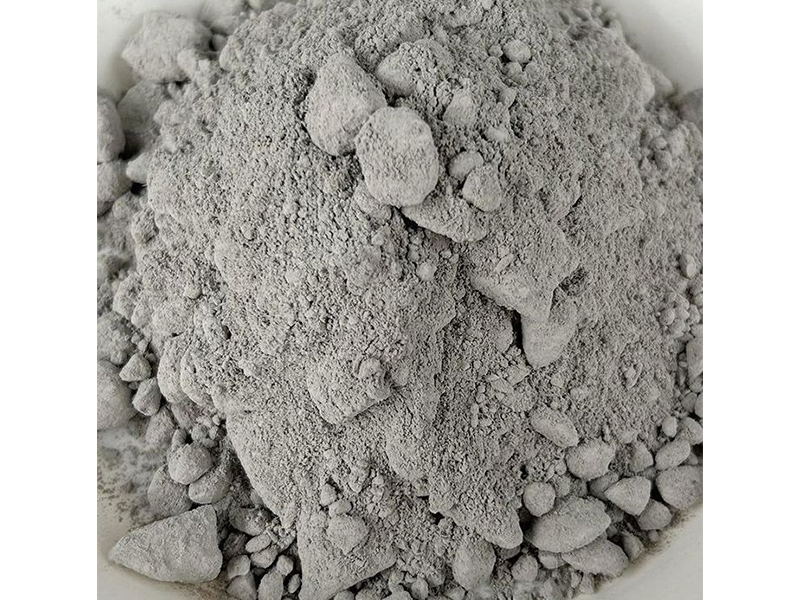
Curing begins after water is added and the material starts to set. During this stage, the castable develops its initial strength.
Temperature and curing time can affect this process. Very low temperatures may slow setting, while high temperatures may shorten working time and cause uneven drying.
Protect the new lining from freezing, rapid moisture loss, and disturbance during curing. Follow the curing time and temperature requirements provided for the specific product.
Do not start heating the lining before it has reached the required set and curing condition. Poor curing can increase the risk of cracks or damage during the next stage. [2]
After curing, castable material still contains moisture. This water must be removed in a controlled way before the lining reaches normal operating temperature.
If the lining heats too quickly, steam may build up inside the material. This can cause cracking, surface damage, or serious lining failure.
A suitable dry-out schedule depends on the castable type, lining thickness, moisture content, and equipment design. Heating rates and holding times should follow the supplier's instructions.
During first heating:
Increase temperature at the specified rate.
Keep the required holding periods.
Provide suitable ventilation for moisture removal.
Monitor temperatures at the recommended points.
Do not skip steps to save time.
Correct drying helps protect the lining and prepares it for service. Thick linings and complex structures may need a more carefully planned heating schedule. [2]
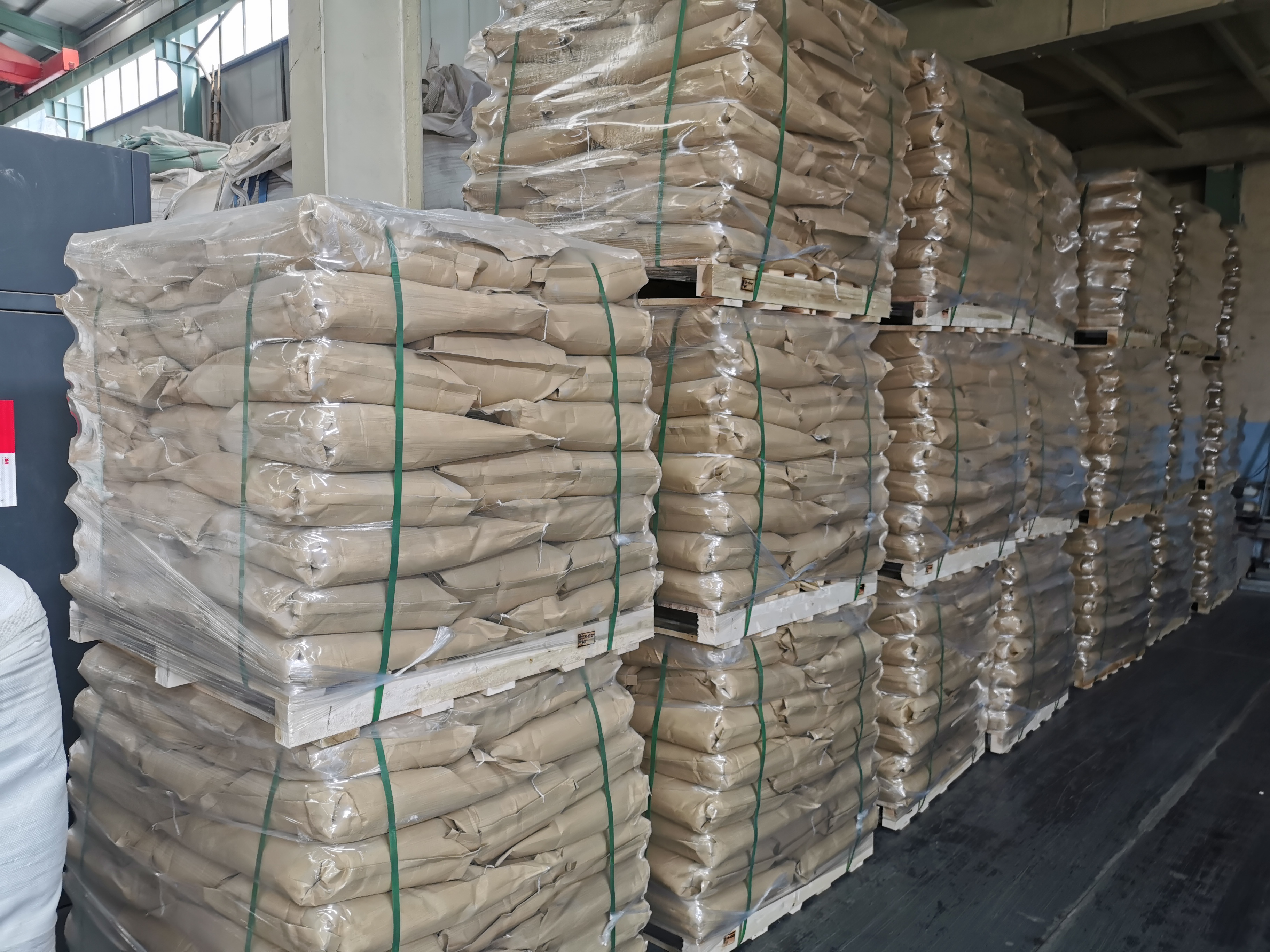
To get reliable results, buyers and installation teams should focus on both material selection and site practices.
Choose a grade that matches the operating conditions. Check the technical data before ordering. During installation, control water content, mixing time, placement, and curing. Before operation, follow the approved dry-out schedule.
These steps help reduce installation problems and support stable performance in high-temperature equipment.
Castable material performance depends on raw material composition, water content, mixing, curing, and first heating. Mistakes at any stage can affect the strength and service life of the lining.
For industrial projects, selecting the right castable refractory is only the first step. Proper installation and controlled drying are also essential.
Contact Laurel with your operating temperature, application details, and lining requirements to discuss a suitable castable material for your project.
[1] ASTM International. ASTM C860-15(2025), Standard Test Method for Determining the Consistency of Refractory Castable Using the Ball-In-Hand Test.
[2] Bogan, Jeffrey E. Dryout of Refractory Castables. Technical paper on refractory castable installation and controlled moisture removal.
Related Products
Inquiry Now
Please leave your e-mail and we will contact you as soon as possible
+86-15264257623 Jacky Liu
1003, Building 1,The Fortune Zone, No.17 Lian yungang Road,Qingdao,China
For more details, welcome to message us.
Copyright © 2025 Qingdao laurent new materials co.,ltd.All Rights Reserved.
 Powered by HiCheng
contact us
Your satisfaction is our top priority. Whether you have questions, need support, or want to share feedback, our dedicated team is ready to assist you every step of the way.