What Affects Magnesia Bricks Price? A Guide for Bulk Buyers
Magnesia bricks are used in industrial furnaces and kilns. They help protect furnace linings from high temperatures and harsh working conditions. The price depends on material quality, MgO content, brick size, order quantity, and shipping costs.
For bulk buyers, comparing prices is only the first step. The brick grade must also match the application. Understanding these cost factors helps buyers choose the right product and plan their budget.
Raw material quality is one of the main factors affecting magnesia bricks price. These bricks are made mainly from magnesium oxide (MgO). Different grades have different MgO contents and impurity levels.
High-purity magnesia bricks may cost more because they require suitable raw materials and tighter quality control. However, higher MgO content does not always mean better performance. The right grade depends on the furnace conditions and the required service life.
ASTM C455 classifies magnesia and related refractory bricks by MgO content. Buyers can use this standard as a reference when preparing product specifications. [1]
Before requesting a quotation, check the MgO content and other chemical data. You should also compare key physical properties, such as bulk density, porosity, and cold crushing strength. Make sure the products meet the same requirements before comparing prices.
Brick size and shape can also affect the price. Standard sizes are often easier to produce than custom shapes. Special dimensions may need extra molds, machining, or inspection.
Some furnace projects require bricks with specific shapes to fit the lining. In these cases, buyers should provide drawings and dimensional tolerances. This helps the supplier confirm whether the bricks can be produced as requested.
If standard sizes meet the project requirements, they may help reduce production costs and lead time. For custom products, ask the supplier to confirm the tooling cost, minimum order quantity, and delivery schedule.
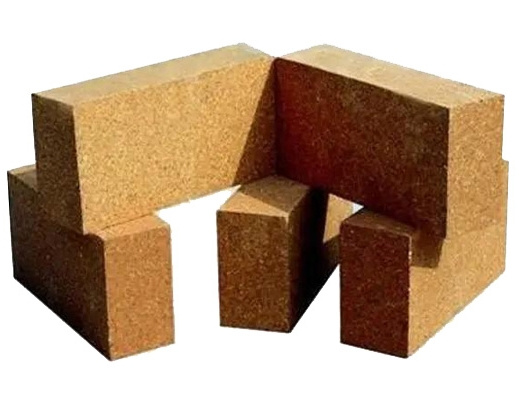
Order quantity can affect the unit price. Larger orders may help spread production, inspection, and packaging costs across more bricks. This can make bulk purchasing more cost-effective.
However, a large order does not always guarantee a lower price. Special grades, mixed sizes, and custom shapes may increase production costs. Urgent orders may also affect the production schedule and final quotation.
When planning a purchase, estimate the total quantity needed for the project. If you expect repeat orders, discuss future demand with the supplier. A clear delivery plan can help both sides arrange production and shipment.
Buyers should also confirm whether the quoted price applies to the full order or only to a specific quantity. This is especially important when a project includes several brick sizes or grades.
For export orders, the product price is only part of the total cost. Packaging, inland transport, ocean freight, and local delivery may also affect the final amount.
Shipping costs depend on the destination, shipment volume, packaging requirements, and delivery terms. Import duties and other local charges may apply as well.
When requesting a quotation, provide the destination port or delivery address. Ask the supplier to state the delivery terms and explain which costs are included. This helps you compare offers on the same basis.
A lower factory price may not mean a lower total purchasing cost. Buyers should consider both product quality and the full cost of delivery.
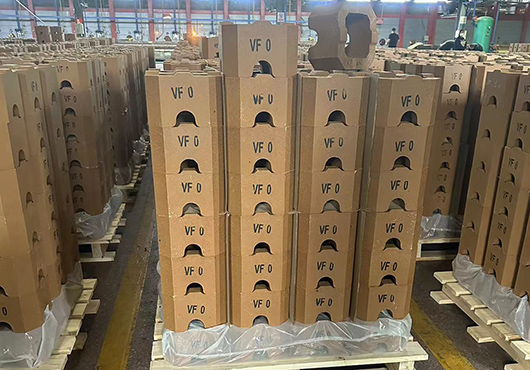
A clear inquiry helps suppliers prepare a suitable quotation. Before contacting a manufacturer, prepare the following details:
Product grade or required MgO content
Brick dimensions or technical drawings
Chemical and physical property requirements
Intended application and working conditions
Total order quantity
Destination port or delivery address
Required delivery date
If you are not sure which grade to choose, describe the furnace type and the area where the bricks will be installed. The supplier can review the information and help identify suitable options.
When comparing quotations, check the product specifications, quantity, packaging, delivery time, and shipping terms. Do not compare prices alone if the products have different specifications.
Magnesia bricks price depends on raw material quality, MgO content, brick size, order quantity, and shipping costs. Custom shapes and special grades may require extra production work, while careful order planning can help control purchasing costs.
For industrial projects, clear specifications make it easier to compare suppliers and avoid unexpected expenses. Contact Laurel with your required grade, dimensions, quantity, and delivery destination to request a quotation.
[1] ASTM International. ASTM C455-07(2022), Standard Classification of Chrome, Chrome-Magnesia, Magnesia-Chrome, and Magnesia Brick.
[2] U.S. Centers for Disease Control and Prevention (CDC), NIOSH. High-Temperature Properties of Magnesia-Refractory Brick Treated With Oxide and Salt Solutions. The report provides comparative chemical composition and physical property data for commercial magnesia refractories.
Related Products
Inquiry Now
Please leave your e-mail and we will contact you as soon as possible
+86-15264257623 Jacky Liu
1003, Building 1,The Fortune Zone, No.17 Lian yungang Road,Qingdao,China
For more details, welcome to message us.
Copyright © 2025 Qingdao laurent new materials co.,ltd.All Rights Reserved.
 Powered by HiCheng
contact us
Your satisfaction is our top priority. Whether you have questions, need support, or want to share feedback, our dedicated team is ready to assist you every step of the way.