Application of Microporous Insulation Material in Ladle Energy Saving and Emission Reduction
Introduction
In the steelmaking process, the ladle is an indispensable piece of equipment used to contain and transport molten steel. The thermal condition of the ladle directly affects temperature drop during tapping, transfer, and casting. Excessive heat loss not only increases energy consumption but also impacts steel quality and production stability. Therefore, improving ladle insulation performance has become a key direction for energy saving and carbon reduction in modern steel plants.
With the advancement of thermal insulation technology, microporous insulation material has gradually emerged as an effective solution for ladle insulation systems. Compared with conventional insulation boards, microporous insulation material demonstrates superior thermal stability, lower thermal conductivity, and improved durability under high-temperature conditions, making it highly suitable for ladle applications.
Overview of Microporous Insulation Material Technology
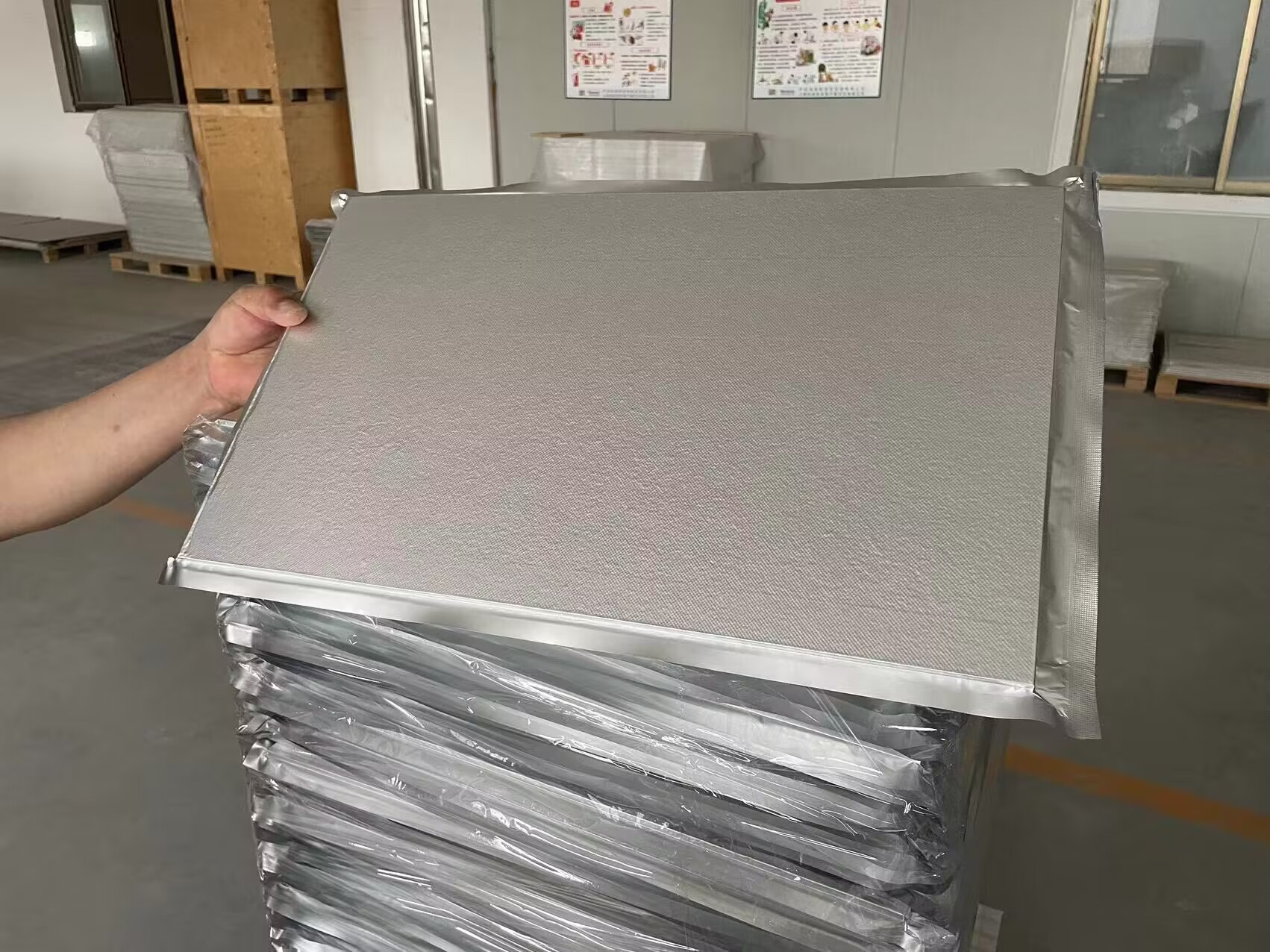
Microporous insulation material is typically manufactured by combining low thermal conductivity fillers, reinforcing fibers, and reflective layers through a composite pressing process. The internal structure contains a large number of nanoscale pores, which significantly restrict heat transfer by conduction, convection, and radiation.
Unlike traditional insulation materials, microporous insulation material incorporates ultra-fine porous structures whose pore size is smaller than the mean free path of gas molecules. As a result, gas molecules inside the pores remain nearly static, effectively eliminating convective heat transfer. This structural characteristic is the fundamental reason for its excellent insulation performance.
In addition, reflective layers such as metal foil are often integrated into microporous insulation material. These layers reduce surface emissivity and reflect infrared radiation, further minimizing radiative heat loss at high temperatures.
Working Principle of Microporous Insulation Material
The thermal insulation mechanism of microporous insulation material can be summarized in three aspects:
Suppression of Gas Convection
The nanoscale pores prevent gas molecules from moving freely, blocking convective heat transfer within the material.
Reduction of Solid Heat Conduction
The solid framework of microporous insulation material has a low density and limited contact points, significantly reducing heat conduction paths.
Control of Thermal Radiation
The use of reflective layers lowers the absorption of radiant heat, especially in high-temperature environments such as steel ladles.
Through the combined effect of these mechanisms, microporous insulation material achieves extremely low thermal conductivity, even under continuous exposure to high temperatures.
Performance Requirements for Ladle Applications
When applied to ladle walls, insulation materials must meet strict performance requirements. Ladles are exposed to high temperatures, mechanical stress, and frequent thermal cycling, which places high demands on insulation stability.
High-quality microporous insulation material used in ladles should exhibit:
Low thermal conductivity to minimize molten steel temperature loss
Low bulk density to reduce overall ladle weight
High compressive strength to resist deformation under refractory pressure
Good toughness to prevent cracking under vibration and thermal shock
These properties ensure that the insulation layer maintains its integrity and insulation efficiency throughout long-term operation.
High-Temperature Stability and Structural Integrity
Under prolonged high-temperature exposure, conventional insulation materials often suffer from structural degradation, including expansion, delamination, embrittlement, and mass loss. Such changes significantly reduce insulation performance and service life.
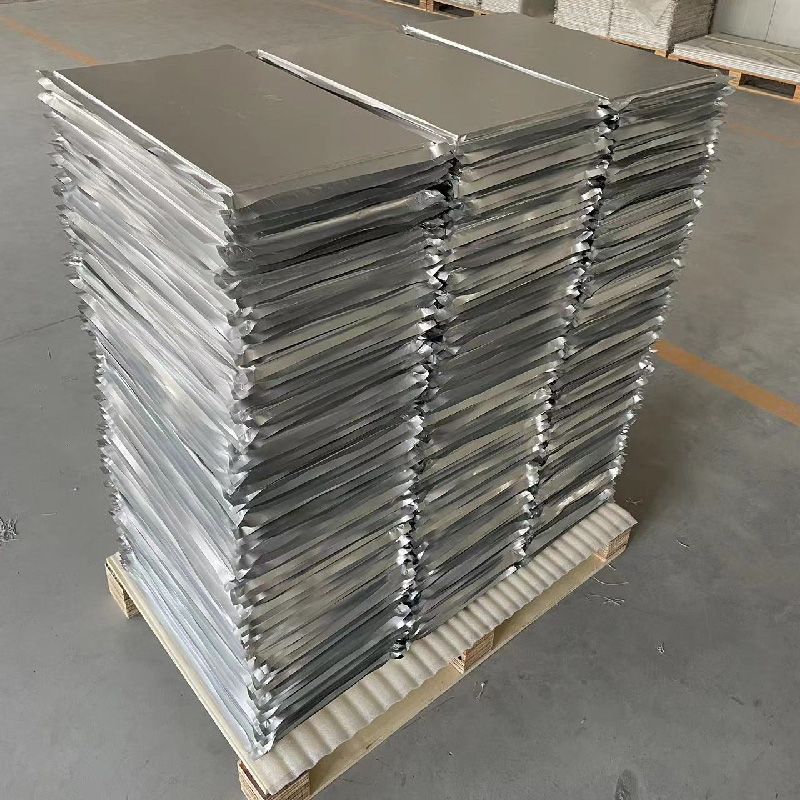
In contrast, microporous insulation material demonstrates excellent dimensional stability and structural integrity after high-temperature treatment. Even after extended heating, the material maintains a dense internal structure without obvious layering or cracking. This stability ensures consistent insulation performance and reduces maintenance frequency in ladle operations.
Moreover, the low density of microporous insulation material contributes to lower heat storage, allowing faster temperature response and improved thermal efficiency during ladle turnaround.
Energy Saving and Environmental Benefits
The application of microporous insulation material in ladles provides significant energy-saving benefits. By reducing heat loss during molten steel holding and transportation, steel plants can:
Decrease reheating energy consumption
Reduce alloy compensation caused by temperature drop
Improve casting temperature stability
Lower overall fuel and electricity usage
These improvements directly contribute to reduced carbon emissions and support low-carbon steelmaking goals. From a lifecycle perspective, the longer service life and stable performance of microporous insulation material also help reduce material waste and operational costs.
Conclusion
As steel producers face increasing pressure to improve energy efficiency and reduce carbon emissions, upgrading ladle insulation systems has become an effective and practical solution. Microporous insulation material, with its ultra-low thermal conductivity, low density, high-temperature stability, and mechanical reliability, offers clear advantages over conventional insulation materials.
Through optimized heat retention and enhanced structural performance, microporous insulation material plays a crucial role in ladle energy saving and emission reduction. Its application not only improves production stability and steel quality but also supports the sustainable development of the steel industry.
Related Products
Inquiry Now
Please leave your e-mail and we will contact you as soon as possible
+86-15264257623 Jacky Liu
1003, Building 1,The Fortune Zone, No.17 Lian yungang Road,Qingdao,China
For more details, welcome to message us.
Copyright © 2025 Qingdao laurent new materials co.,ltd.All Rights Reserved.
 Powered by HiCheng
contact us
Your satisfaction is our top priority. Whether you have questions, need support, or want to share feedback, our dedicated team is ready to assist you every step of the way.