Refractory Magnesia Chrome Brick: Proven Performance for Severe High-Temperature Environments
In industries where furnaces operate under extreme temperatures, corrosive slags, and intense mechanical stress, material selection directly determines equipment life and operational stability. Refractory magnesia chrome brick has long been recognized as a dependable solution for these demanding conditions, especially in metallurgical and cement applications where thermal and chemical loads remain consistently high.
Refractory magnesia chrome brick is produced from high-purity magnesia and chrome ore, processed through precise batching, high-pressure forming, and high-temperature firing. The resulting microstructure combines the basic nature of magnesia with the slag-resistant characteristics of chrome compounds. This composition enables refractory magnesia chrome brick to perform reliably in environments where acidic and basic slags coexist.
One of the most significant advantages of refractory magnesia chrome brick is its excellent resistance to slag penetration. In high-temperature furnaces, molten slag aggressively attacks refractory linings, leading to erosion and premature failure. Refractory magnesia chrome brick forms a stable reaction layer at the hot face, slowing slag infiltration and reducing structural damage. This property makes it particularly suitable for long-campaign furnace operations.
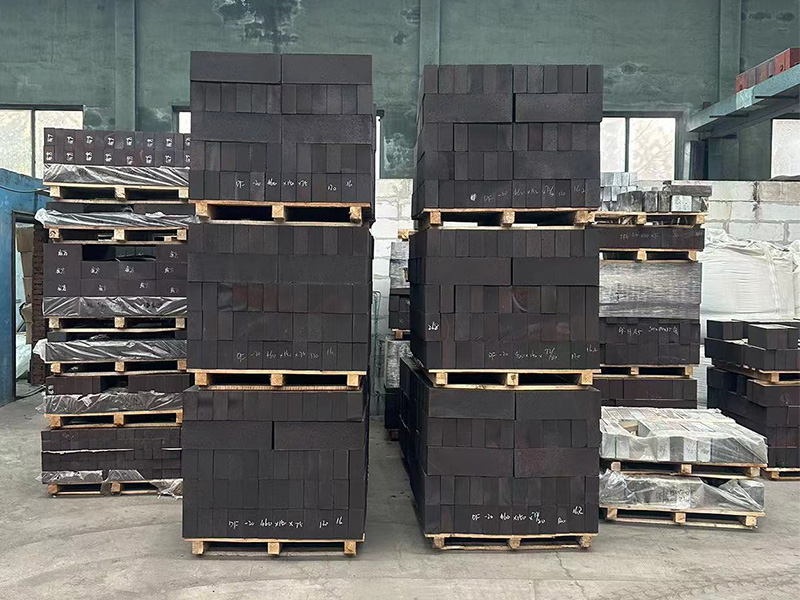
Thermal stability is another defining feature of refractory magnesia chrome brick. The material maintains mechanical strength at elevated temperatures, allowing it to withstand continuous exposure above 1700°C without excessive deformation. This high refractoriness ensures that furnace linings remain structurally stable, even during prolonged high-load production cycles.
In addition to thermal resistance, refractory magnesia chrome brick exhibits strong thermal shock performance. Sudden temperature fluctuations are common in industrial processes such as cement kilns and non-ferrous metal furnaces. Refractory magnesia chrome brick tolerates repeated heating and cooling cycles, minimizing cracking and spalling that can compromise lining integrity.
Mechanical strength also plays a crucial role in the widespread use of refractory magnesia chrome brick. High compressive strength allows it to endure mechanical wear caused by material movement, vibration, and rotary kiln rotation. This durability reduces maintenance frequency and extends service life, contributing to improved operational efficiency.
Refractory magnesia chrome brick is widely used in cement rotary kilns, particularly in burning zones and transition zones where thermal and chemical stress levels are highest. In steelmaking, refractory magnesia chrome brick is applied in electric arc furnaces, AOD converters, and secondary refining vessels. Its ability to resist aggressive slags and high temperatures makes it a reliable choice for these critical furnace areas.
Beyond metallurgy and cement production, refractory magnesia chrome brick also finds application in non-ferrous metal smelting, glass furnaces, and industrial incinerators. In each of these environments, stable performance under harsh conditions is essential to maintaining consistent production output.
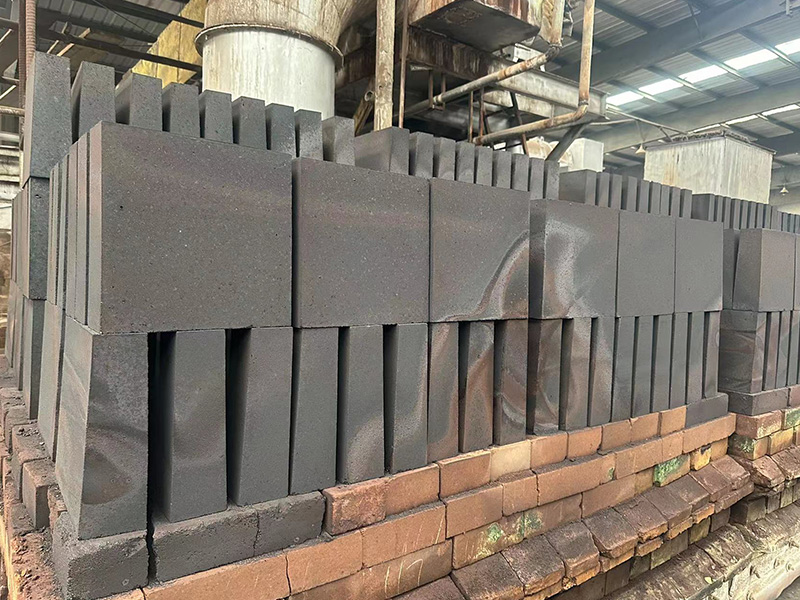
From a design perspective, refractory magnesia chrome brick supports optimized furnace lining systems. When combined with appropriate backup insulation and expansion joint design, it helps reduce heat loss and maintain controlled furnace profiles. Proper installation further enhances the performance of refractory magnesia chrome brick, ensuring uniform load distribution and effective thermal expansion management.
Environmental considerations have also influenced the development of refractory magnesia chrome brick. Modern manufacturing processes focus on improved raw material purity and controlled chrome content, helping reduce environmental impact while maintaining performance. As regulatory standards evolve, optimized refractory magnesia chrome brick formulations continue to meet industry requirements.
In long-term operation, refractory magnesia chrome brick contributes to lower total cost of ownership. Extended campaign life, reduced downtime, and improved thermal efficiency translate into measurable economic benefits. For operators facing extreme furnace conditions, refractory magnesia chrome brick remains a proven and trusted refractory solution.
Overall, refractory magnesia chrome brick continues to hold a vital position in high-temperature industrial applications. Its balanced performance in slag resistance, thermal stability, mechanical strength, and service life ensures its relevance in modern furnace engineering. As industrial processes demand greater reliability and efficiency, refractory magnesia chrome brick remains a key material supporting safe and stable high-temperature operations worldwide.
Related Products
Inquiry Now
Please leave your e-mail and we will contact you as soon as possible
+86-15264257623 Jacky Liu
1003, Building 1,The Fortune Zone, No.17 Lian yungang Road,Qingdao,China
For more details, welcome to message us.
Copyright © 2025 Qingdao laurent new materials co.,ltd.All Rights Reserved.
 Powered by HiCheng
contact us
Your satisfaction is our top priority. Whether you have questions, need support, or want to share feedback, our dedicated team is ready to assist you every step of the way.