Refractory Castable: Practical Experience in High Temperature Furnace Repair and Industrial Applications
In high-temperature industries, refractory castable is widely used for furnace repair, equipment lining construction, and areas exposed to thermal shock, mechanical impact, and material erosion. In practical engineering projects, the service life of refractory castable is not determined only by material performance. Construction quality, mixing control, curing process, and operating conditions often have a greater impact on final results. Many failures found during industrial operation are related to improper installation methods or unsuitable material selection rather than the castable itself.
For different working environments, engineers usually select materials according to actual conditions such as temperature fluctuations, abrasion intensity, chemical corrosion, and mechanical stress. Although customers often compare product specifications and cost, experienced users pay more attention to long-term operation stability and maintenance frequency. A suitable low cement castable or abrasion resistant castable can significantly reduce unexpected shutdowns and improve equipment reliability when correctly applied.
Practical Experience in Furnace Repair Projects
In industrial furnace maintenance, refractory castable is often used to repair damaged areas where traditional refractory bricks are difficult to replace. However, repair results depend heavily on preparation work before construction. Removing loose material, cleaning the damaged surface, and ensuring proper bonding conditions are essential steps that directly influence service performance.
In one steel plant heating furnace repair project, severe damage was found around the material impact area after long-term operation. The original lining had cracks and local peeling caused by repeated thermal cycling and mechanical impact during production. During inspection, engineers found that previous repairs failed because the damaged layer was not completely removed before applying new material.
During the renovation, the maintenance team removed the weak sections, prepared the surface carefully, and selected refractory castable with better resistance to thermal stress. Special attention was given to mixing consistency, installation thickness, and drying procedures. After the furnace returned to production, the repaired area maintained stable performance during continuous operation, and the maintenance interval was extended compared with previous repairs.
This experience showed that material selection and construction quality must work together. Even high-performance refractory castable cannot achieve expected results if installation procedures are not properly controlled.
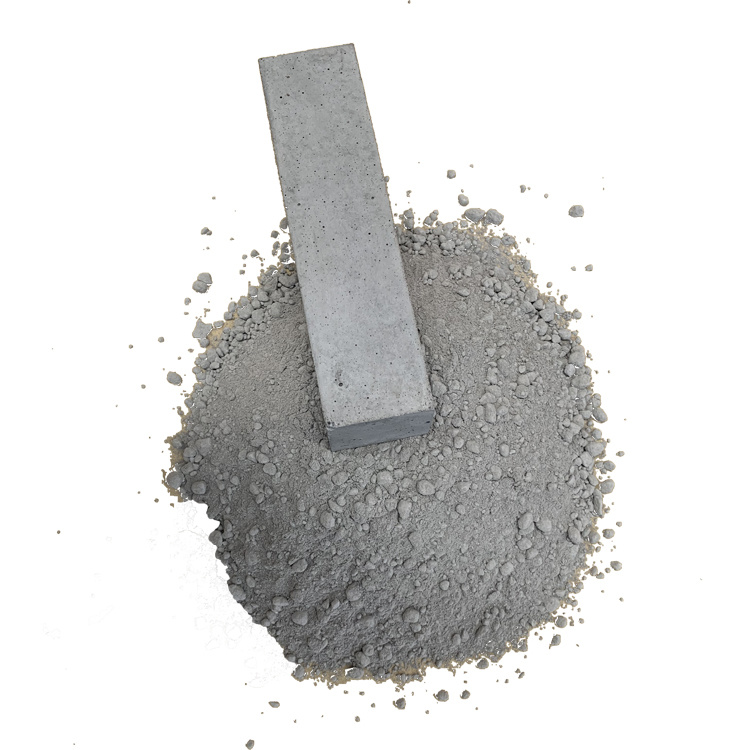
Low Cement Castable Application Experience
In many high-temperature applications, low cement castable is selected because of its high strength, lower water requirement, and improved resistance to thermal damage. However, practical application requires strict control during mixing and curing.
In a boiler maintenance project, the original lining around the combustion area frequently developed cracks after several operating cycles. Engineers found that excessive water was added during previous construction, which increased porosity and reduced the strength of the lining after drying.
During the repair process, the team replaced the damaged sections with suitable low cement castable and controlled the water addition according to actual site conditions. The curing and heating process was also adjusted to avoid rapid moisture release. After several months of operation, the repaired lining showed better resistance to thermal cycling and reduced crack formation.
This case highlights an important point from practical experience: the performance of low cement castable depends not only on its formulation but also on correct construction procedures. Proper mixing, vibration, curing, and gradual heating are critical for achieving stable performance.
Abrasion Resistant Castable in Wear Conditions
For equipment exposed to continuous material impact and abrasion, ordinary refractory materials may not provide sufficient service life. In these areas, abrasion resistant castable is commonly selected to improve wear resistance and reduce frequent maintenance.
In a waste treatment furnace project, the lower chamber area suffered from serious erosion caused by high-temperature airflow and continuous material movement. The original lining required frequent repairs because the surface gradually wore away during operation.
After analyzing the operating conditions, engineers selected an abrasion resistant castable suitable for high-wear areas. During installation, the team focused on achieving a uniform thickness and improving surface density through proper construction methods. After the equipment resumed operation, the repaired section showed improved wear resistance and longer service performance, reducing the number of maintenance shutdowns.
This practical application demonstrated that choosing the correct material according to wear conditions is essential. A standard refractory castable may perform well in general areas but may not be suitable for zones with severe mechanical erosion.
Installation Experience and Common Problems
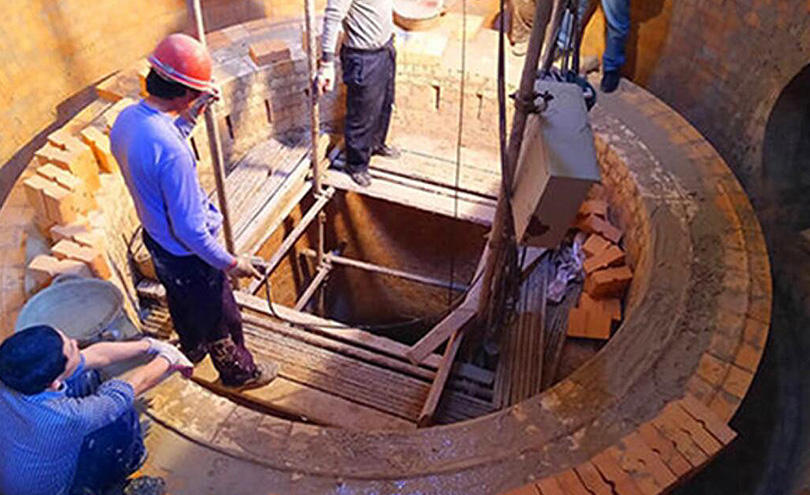
From years of industrial application experience, many castable failures are caused by construction problems rather than material quality. Common issues include improper water ratio, insufficient mixing, poor vibration, incomplete curing, and rapid heating after installation.
During one cement kiln maintenance project, the newly installed lining experienced early cracking during the first heating cycle. Investigation showed that the material had not been properly cured before operation, causing internal stress and surface damage. After adjusting the curing time and heating procedure, the repaired section achieved stable operation.
For refractory castable applications, experienced technicians usually pay close attention to every construction stage. The mixing process must maintain uniform consistency, installation should avoid uneven density, and heating should be controlled gradually to prevent internal damage.
Selection Experience for Industrial Applications
When selecting refractory castable, industrial users should consider actual working conditions rather than focusing only on initial purchasing cost. Temperature, abrasion level, chemical environment, and maintenance requirements all influence the final material choice.
For areas exposed to mechanical impact, abrasion resistant castable provides better durability. For applications requiring high strength and thermal stability, low cement castable is often preferred. A professional supplier should provide recommendations based on operating conditions and previous application experience instead of offering a single standard product.
Reliable material selection can reduce repair frequency, improve equipment availability, and lower long-term operating costs. In demanding industrial environments, properly selected and professionally installed refractory castable provides stable protection for furnaces and thermal equipment.
With continuous development of high-temperature industries, refractory castable remains an important material for furnace construction and maintenance. Its effectiveness depends on the combination of suitable formulation, professional installation, and practical engineering experience.
Through correct selection of low cement castable, abrasion resistant castable, and other specialized materials according to actual operating conditions, industrial users can improve lining durability, reduce downtime, and maintain reliable performance in high-temperature equipment.
Related Products
Inquiry Now
Please leave your e-mail and we will contact you as soon as possible
+86-15264257623 Jacky Liu
1003, Building 1,The Fortune Zone, No.17 Lian yungang Road,Qingdao,China
For more details, welcome to message us.
Copyright © 2025 Qingdao laurent new materials co.,ltd.All Rights Reserved.
 Powered by HiCheng
contact us
Your satisfaction is our top priority. Whether you have questions, need support, or want to share feedback, our dedicated team is ready to assist you every step of the way.