Refractory Brick Market Evolves as Industries Demand Higher Thermal Reliability
Refractory brick remains a fundamental material in high-temperature industries where durability and thermal stability are essential. As global manufacturing expands and equipment standards become stricter, refractory fire bricks are being specified with greater precision. At the same time, the market for refractory bricks for sale is becoming more competitive, with buyers focusing on both performance consistency and supply reliability.
In steel production, refractory brick is used extensively in blast furnaces, ladles, and converters. These environments expose materials to extreme heat, mechanical stress, and chemical corrosion. Refractory fire bricks are selected for their ability to maintain structural integrity under such conditions. Steel producers evaluate refractory bricks for sale based on composition, density, and resistance to slag attack. The consistent performance of refractory brick directly affects furnace efficiency and production output.
Cement manufacturing also relies heavily on refractory brick in rotary kilns and preheater systems. These operations require materials that can withstand continuous high temperatures and thermal cycling. Refractory fire bricks are installed in different kiln zones, each requiring specific properties. Operators sourcing refractory bricks for sale often look for products that offer a balance between durability and cost efficiency. The right refractory brick selection helps maintain stable kiln operation and reduces maintenance frequency.
Glass production presents unique challenges that require specialized refractory brick solutions. Furnaces used for melting glass must operate continuously at high temperatures while maintaining purity. Refractory fire bricks are designed to resist chemical interaction with molten glass. Manufacturers offering refractory bricks for sale focus on producing materials with low impurity levels to prevent contamination. In this context, refractory brick plays a critical role in ensuring consistent product quality.
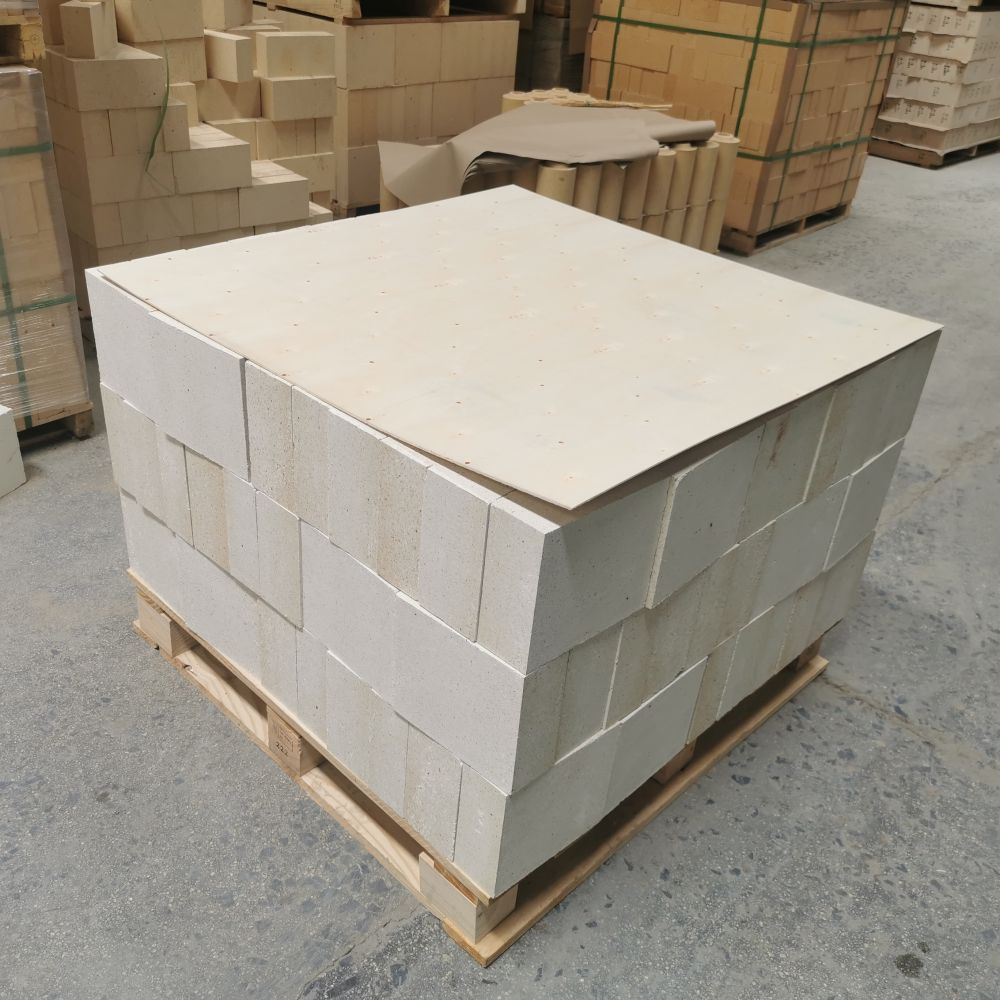
Petrochemical facilities use refractory brick in reactors, heaters, and cracking units. These environments involve both high temperatures and aggressive chemical exposure. Refractory fire bricks provide resistance to corrosion while maintaining thermal insulation. Buyers searching for refractory bricks for sale in this sector prioritize long service life and reliability. The performance of refractory brick in petrochemical systems directly impacts operational safety and efficiency.
Power generation plants also depend on refractory brick for boilers and incineration systems. These applications require materials that can handle fluctuating temperatures and mechanical stress. Refractory fire bricks help maintain stable thermal conditions, improving energy efficiency. Suppliers offering refractory bricks for sale are adapting their products to meet the specific needs of modern power systems. Refractory brick continues to support reliable operation in these demanding environments.
The manufacturing process of refractory brick involves selecting raw materials such as alumina, silica, and magnesia. These materials are processed and fired at high temperatures to achieve the desired properties. Refractory fire bricks are produced with controlled porosity and density to balance strength and insulation performance. Companies providing refractory bricks for sale invest in quality control to ensure that each refractory brick meets industry standards.
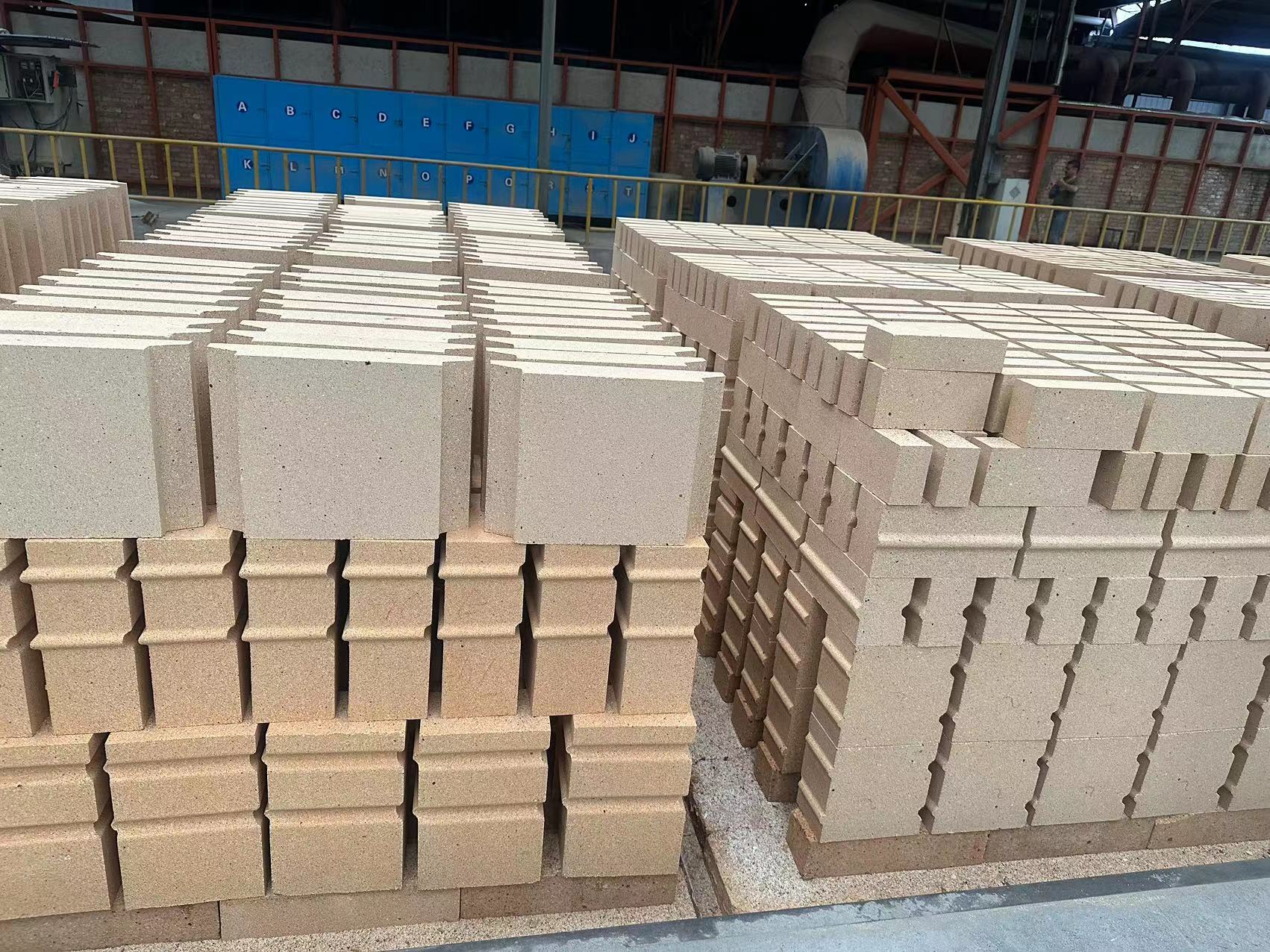
Customization is becoming increasingly important in the refractory brick market. Different applications require specific shapes, sizes, and material compositions. Refractory fire bricks can be tailored to fit unique furnace designs, improving installation efficiency and performance. Suppliers offering refractory bricks for sale provide a range of customization options, allowing refractory brick to integrate seamlessly into complex systems.
Installation practices significantly influence the performance of refractory brick. Proper alignment and joint design are essential to prevent heat loss and structural weakness. Refractory fire bricks must be installed using compatible mortars to ensure stability. Buyers of refractory bricks for sale often seek technical support from suppliers to ensure correct installation. Well-installed refractory brick systems deliver better durability and operational efficiency.
Maintenance strategies are evolving as industries aim to extend equipment life. Refractory brick is regularly inspected for wear, cracking, or chemical damage. Refractory fire bricks can be replaced in specific areas to minimize downtime. Companies offering refractory bricks for sale provide replacement materials that match existing linings, ensuring compatibility. Effective maintenance helps preserve the performance of refractory brick over long operating cycles.
Global demand for refractory brick continues to grow as industries invest in infrastructure and upgrade production facilities. Refractory fire bricks are being specified for both new installations and refurbishment projects. The availability of refractory bricks for sale across different markets allows buyers to select materials that meet their operational needs. Refractory brick remains a critical component in high-temperature processes where performance and reliability are essential.
Related Products
Inquiry Now
Please leave your e-mail and we will contact you as soon as possible
+86-15264257623 Jacky Liu
1003, Building 1,The Fortune Zone, No.17 Lian yungang Road,Qingdao,China
For more details, welcome to message us.
Copyright © 2025 Qingdao laurent new materials co.,ltd.All Rights Reserved.
 Powered by HiCheng
contact us
Your satisfaction is our top priority. Whether you have questions, need support, or want to share feedback, our dedicated team is ready to assist you every step of the way.