Low Porosity Fire Brick: Reliable Performance for Demanding High-Temperature Environments
Low porosity fire brick is a dense refractory material engineered for applications where high temperature resistance, mechanical strength, and chemical stability are critical. Compared with conventional fire bricks, low porosity fire brick features a tightly controlled internal structure with significantly reduced open pores, allowing it to perform reliably in harsh industrial conditions involving thermal shock, slag attack, and high mechanical load.
Low porosity fire brick is manufactured using selected refractory raw materials such as high-quality fireclay, alumina-bearing minerals, or blended refractory aggregates. Through optimized particle grading, high-pressure forming, and precise high-temperature firing, the internal pore volume is minimized. This dense microstructure is the defining characteristic of low porosity fire brick and directly contributes to its superior performance in high-temperature systems.
One of the main advantages of low porosity fire brick is its excellent resistance to slag and molten material penetration. In furnaces and kilns, liquid slags and chemical vapors can easily infiltrate porous materials, leading to chemical corrosion and structural weakening. The reduced porosity of low porosity fire brick limits this penetration, significantly slowing wear rates and extending service life. This makes low porosity fire brick particularly suitable for metallurgical furnaces, cement kilns, and glass melting equipment.
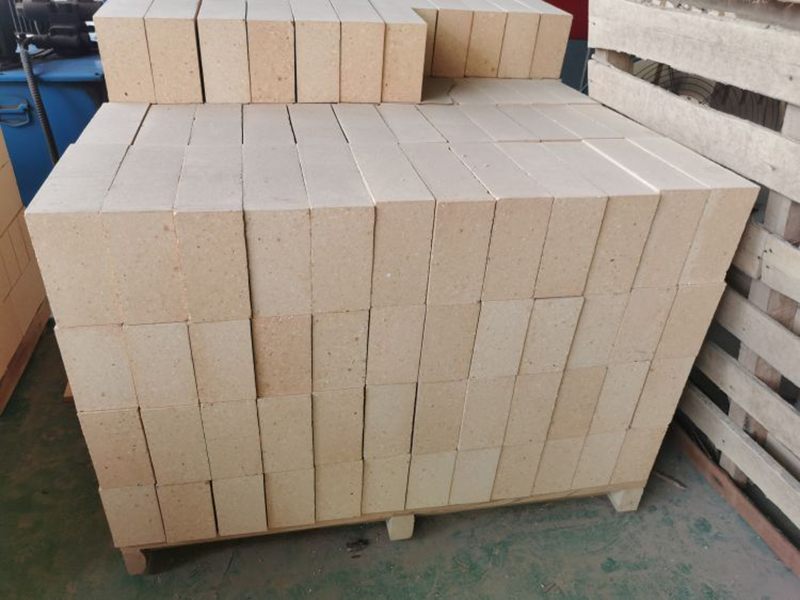
Low porosity fire brick also offers high cold crushing strength and strong load-bearing capability. The dense structure allows the brick to withstand mechanical stress from heavy refractory linings, charge materials, and equipment vibration. In applications such as furnace hearths, kiln car decks, and burner zones, low porosity fire brick maintains dimensional stability under both thermal and mechanical stress.
Thermal performance is another key benefit of low porosity fire brick. While it is primarily designed as a dense refractory rather than an insulating material, its controlled porosity helps maintain stable thermal conductivity and reduces internal heat loss caused by gas flow through open pores. More importantly, low porosity fire brick demonstrates improved thermal shock resistance compared to traditional dense bricks, as the uniform microstructure reduces stress concentration during rapid heating and cooling cycles.
Low porosity fire brick is widely used across multiple high-temperature industries. In iron and steel plants, it is applied in reheating furnaces, soaking pits, and ladle backup linings. In cement production, low porosity fire brick is commonly installed in kiln transition zones and cooler areas exposed to abrasion and chemical attack. Glass furnaces rely on low porosity fire brick for walls and regenerators where resistance to alkali vapors is essential. It is also used in petrochemical heaters, incinerators, and industrial boilers.
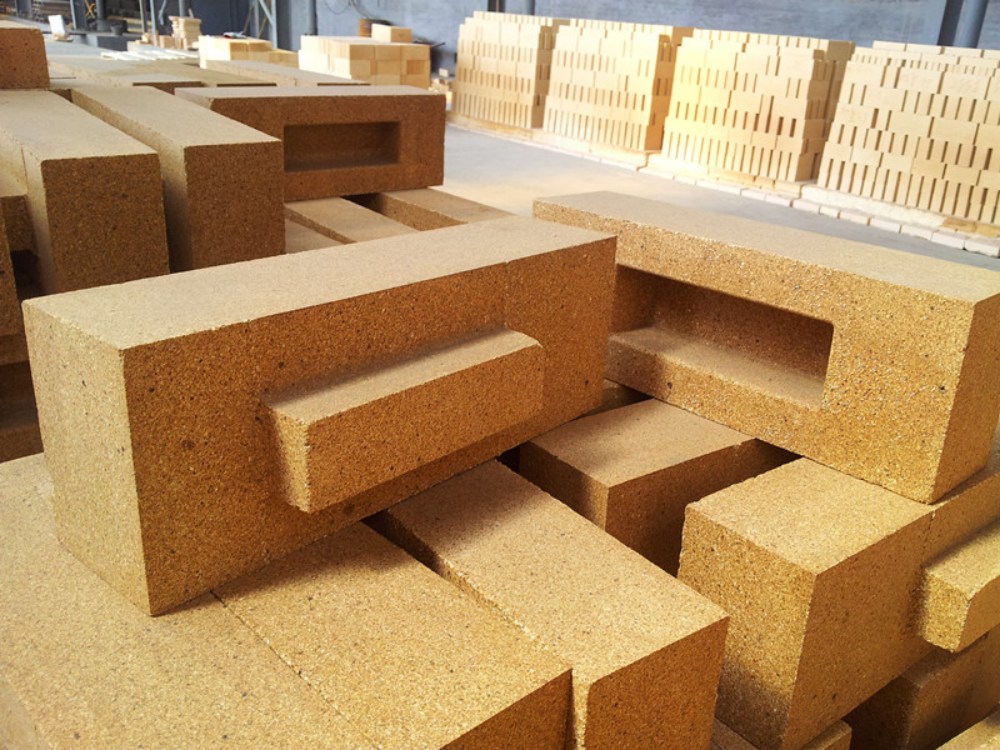
Installation quality plays a crucial role in maximizing the performance of low porosity fire brick. Thin, uniform joints using compatible refractory mortar help preserve lining integrity and minimize heat leakage. After construction, controlled drying and staged heat-up procedures are essential to remove moisture safely and avoid internal cracking.
As industrial processes continue to demand higher efficiency and longer campaign life, low porosity fire brick remains a dependable solution for critical refractory zones. Its combination of density, strength, and resistance to chemical and thermal damage makes low porosity fire brick an essential material for modern high-temperature applications.
Related Products
Inquiry Now
Please leave your e-mail and we will contact you as soon as possible
+86-15264257623 Jacky Liu
1003, Building 1,The Fortune Zone, No.17 Lian yungang Road,Qingdao,China
For more details, welcome to message us.
Copyright © 2025 Qingdao laurent new materials co.,ltd.All Rights Reserved.
 Powered by HiCheng
contact us
Your satisfaction is our top priority. Whether you have questions, need support, or want to share feedback, our dedicated team is ready to assist you every step of the way.