Ceramic Fiber Module Factory: Advanced Manufacturing for High-Temperature Insulation Solutions
A ceramic fiber module factory plays a crucial role in producing high-performance insulation materials used in industrial furnaces, kilns, and thermal processing equipment. With the growing demand for energy-efficient high-temperature insulation systems, ceramic fiber module factory facilities are continuously upgrading their manufacturing technology, quality control systems, and production capacity to meet global industrial needs.
A modern ceramic fiber module factory typically integrates raw material processing, fiber production, blanket forming, module folding, anchoring assembly, and final inspection within a complete manufacturing workflow. The process begins with high-purity alumina and silica raw materials, which are melted at extremely high temperatures and converted into fine ceramic fibers using advanced spinning or blowing technology. These fibers are then formed into ceramic fiber blankets that serve as the base material for ceramic fiber module production.
Inside a professional ceramic fiber module factory, the blanket materials are precisely folded or stacked and compressed into modular blocks. Each module is equipped with an integrated anchoring system designed for quick installation on furnace walls and ceilings. The compressed modules are engineered to expand slightly after installation, creating a tight insulation seal that reduces heat loss and improves furnace efficiency.
Quality control is a critical aspect of any reliable ceramic fiber module factory. Manufacturers conduct strict testing procedures throughout the production process to ensure consistent density, fiber distribution, temperature resistance, and structural strength. Advanced laboratories often test thermal conductivity, shrinkage rates, and high-temperature stability to guarantee that every ceramic fiber module meets international refractory standards.
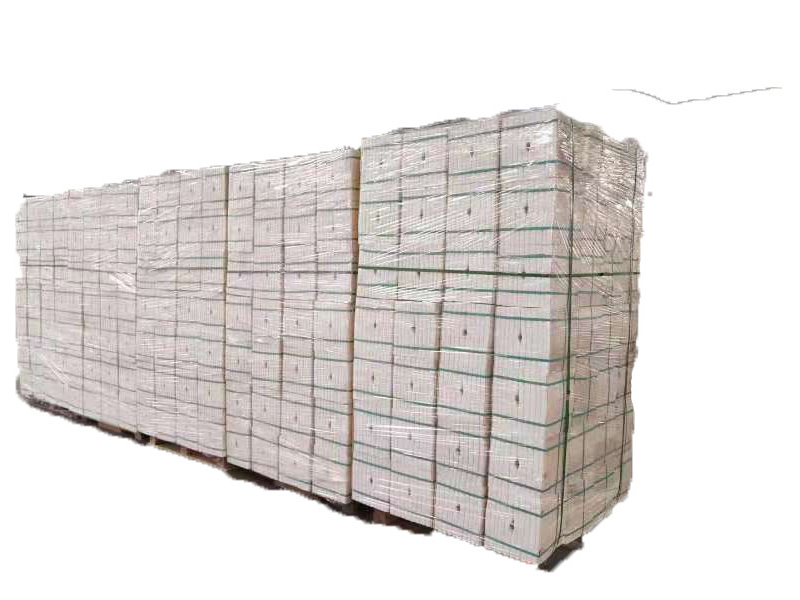
Another important feature of a professional ceramic fiber module factory is its ability to produce a wide range of module types. These may include folded modules, stacked modules, edge-grain modules, and specially designed modules for extreme high-temperature environments. Many ceramic fiber module factory facilities also offer bio-soluble fiber options that comply with modern environmental and occupational safety regulations.
The products manufactured in a ceramic fiber module factory are widely used in many industries. Steel plants rely on ceramic fiber modules for reheating furnaces and heat treatment equipment. Petrochemical facilities use them in process heaters and reformers. Ceramic and glass manufacturers apply ceramic fiber modules in kilns and melting furnaces. In addition, power generation plants utilize ceramic fiber module insulation for boilers and high-temperature pipelines.
Energy efficiency is one of the major advantages provided by materials produced in a ceramic fiber module factory. Ceramic fiber modules offer extremely low thermal conductivity and lightweight structure, which significantly reduces furnace heat loss. This allows industries to lower fuel consumption, improve heating efficiency, and reduce overall operating costs.
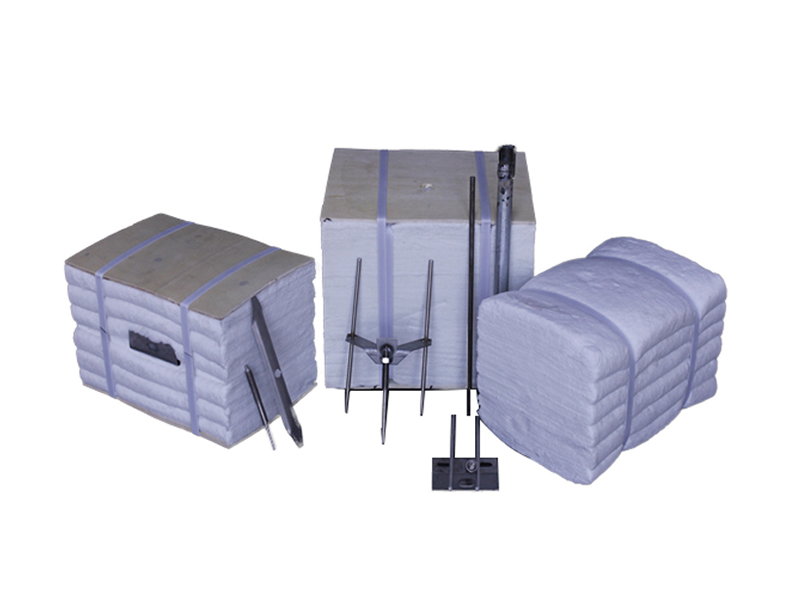
A well-established ceramic fiber module factory also focuses on customized solutions for different industrial applications. Engineers work closely with customers to design module dimensions, anchoring systems, and insulation configurations that match specific furnace structures. This customization ensures optimal insulation performance and easier installation during furnace construction or maintenance.
In addition to product performance, logistics and supply capability are important strengths of a large-scale ceramic fiber module factory. Efficient packaging, warehouse management, and global shipping systems allow manufacturers to deliver ceramic fiber modules quickly to customers worldwide. Reliable supply chains help industrial clients maintain stable production schedules and minimize downtime.
In conclusion, a ceramic fiber module factory is a vital part of the modern refractory insulation industry. Through advanced production technology, strict quality control, and customized manufacturing capabilities, ceramic fiber module factory operations provide essential insulation solutions for high-temperature industrial processes. As global industries continue to prioritize energy efficiency and sustainable production, the role of ceramic fiber module factory manufacturing will remain increasingly important.
Related Products
Inquiry Now
Please leave your e-mail and we will contact you as soon as possible
+86-15264257623 Jacky Liu
1003, Building 1,The Fortune Zone, No.17 Lian yungang Road,Qingdao,China
For more details, welcome to message us.
Copyright © 2025 Qingdao laurent new materials co.,ltd.All Rights Reserved.
 Powered by HiCheng
contact us
Your satisfaction is our top priority. Whether you have questions, need support, or want to share feedback, our dedicated team is ready to assist you every step of the way.