Common Installation Problems of Ceramic Fiber Modules in Industrial Furnaces
Understanding Ceramic Fiber Module Installation Challenges in Industrial Furnaces
In high-temperature furnaces, ceramic fiber modules are a common insulation choice. They help cut heat loss and support faster furnace heating.
Most furnace problems do not come from the material itself. They come from poor installation, weak fixing parts, or no plan for thermal expansion.
From Laurel's work in industrial furnace insulation, we have found that a ceramic fiber module lining depends heavily on installation quality. Even good materials can fail early if the ceramic fiber module installation does not fit the job.
Customers often report loose modules, gaps after heat cycles, and insulation layers that fail during long use. Knowing why these problems happen helps furnace operators improve reliability and reduce maintenance.
Why Ceramic Fiber Modules Become Loose After Installation
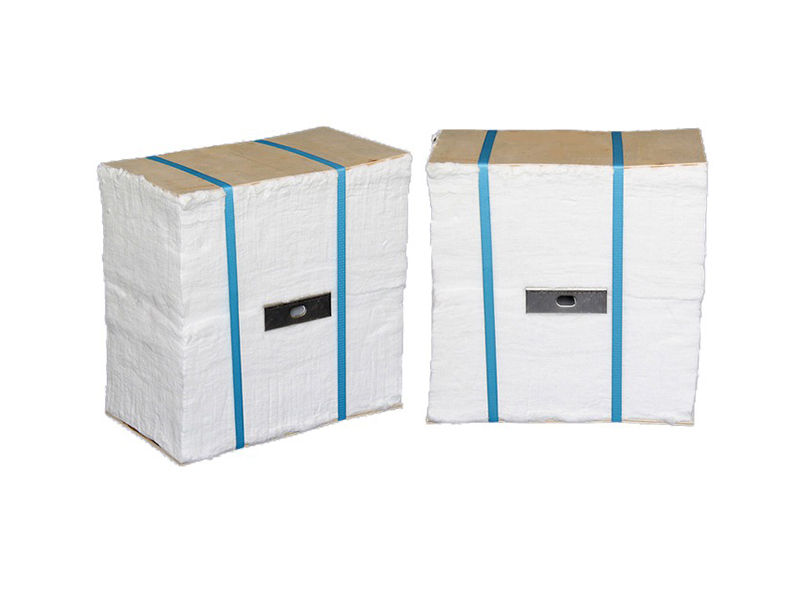
A common question is whether the ceramic fiber module installation is strong enough for nonstop operation.
In one heat treatment furnace project, a customer found that several modules near the furnace door became loose after only a few months. At first, the issue seemed like a material fault. After inspection, we found uneven compression during installation.
These modules need proper compression between nearby sections. If the gap is too large, they cannot keep enough expansion pressure after heating. If they are installed too tightly, thermal expansion can create high stress.
Installers should focus on module alignment, anchor position, and compression. Mechanical fastening alone is not enough.
Thermal Expansion Problems During Furnace Operation
High-temperature furnaces go through many heat and cool cycles. This creates constant movement inside the lining.
A common mistake is to ignore the expansion behavior of ceramic fiber insulation modules during installation. When the furnace gets hot, the ceramic fiber module expands a little. This helps close gaps and protect insulation performance.
But if the layout leaves too little room for movement, the lining can take uneven stress. Over time, that can cause surface warp, gaps, or damage near fixing points.
Laurel has helped customers who run furnaces with frequent temperature changes. For these jobs, we suggest checking the heat cycle, furnace shape, and install direction before choosing the module layout.
The right ceramic fiber module installation should allow thermal movement and still keep a stable insulation layer.
Main Reasons Ceramic Fiber Modules Fall Off During Operation
Module fall-off is a serious problem. It can expose the furnace shell to more heat and raise energy use.
Several issues can cause ceramic fiber module failure:
Improper Anchor Installation
The fixing system is key to module stability. Wrong anchor placement or weak fixing force can let modules pull away from the wall during long use.
Incorrect Installation Sequence
The order of placement affects final compression. A random sequence can create uneven pressure and weak spots.
Excessive Mechanical Impact
Some furnaces face vibration, airflow, or material movement inside the chamber. These forces can speed up damage if the lining is not designed for them.
Incorrect Material Selection
Different furnace temperatures and work settings need different ceramic fiber module types. Choosing the wrong module can shorten service life.
A Practical Case:BetterService Life in a Heat Treatment Furnace
A heat treatment maker contacted Laurel after repeated insulation repairs. Their furnace needed frequent shutdowns because parts of the ceramic fiber module lining were damaged after several heat cycles.
After reviewing the operating data, we found three issues:
The furnace temperature changed often.
The original module layout did not match the expansion direction.
Some fixing points carried too much stress.
Instead of only replacing damaged parts, we changed the installation method and improved the module layout for the furnace shape.
After the change, the customer reported better lining stability and fewer maintenance stops. This case shows that ceramic fiber module performance depends on both installation skill and furnace design.
How to Improve Ceramic Fiber Module Installation Reliability
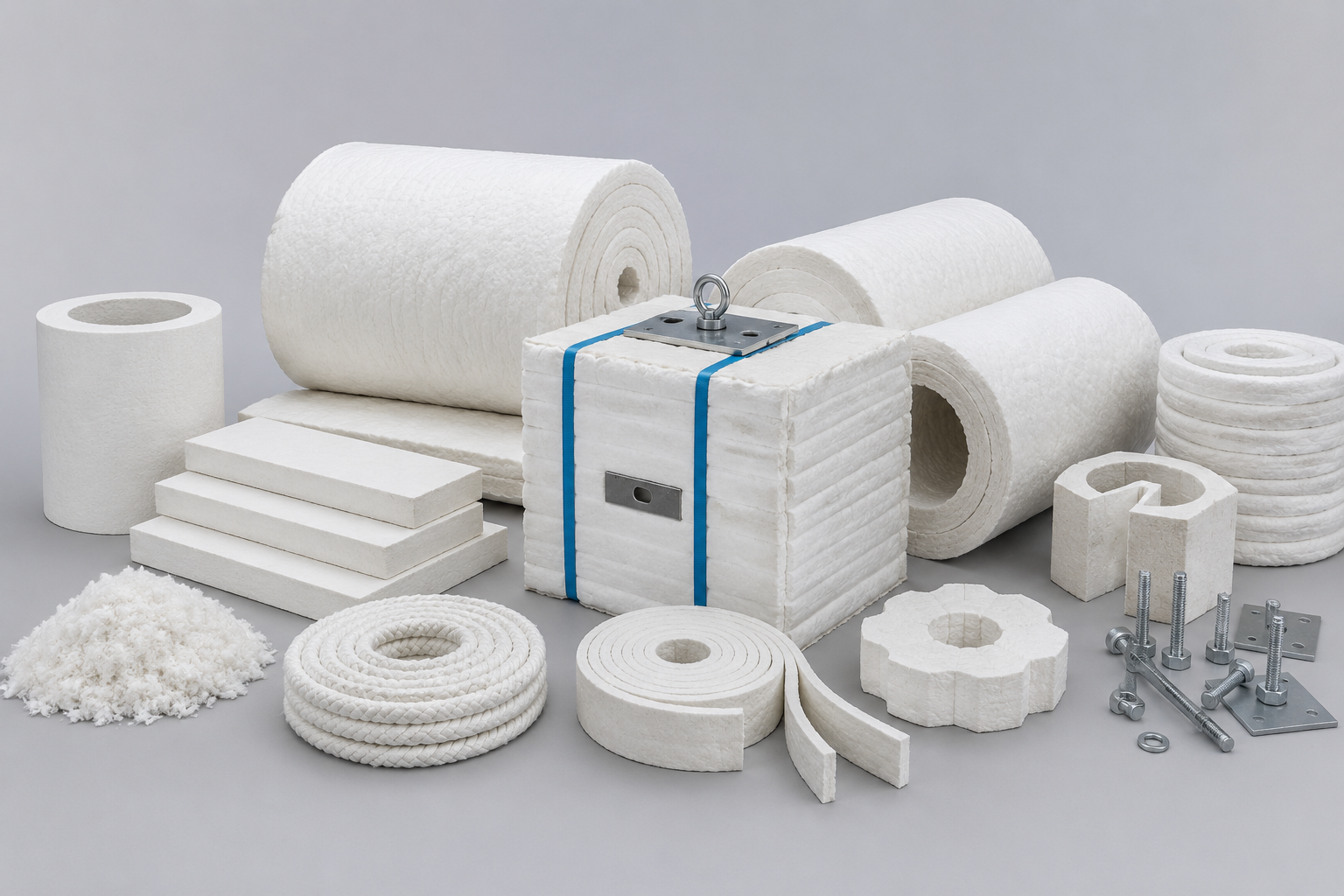
For industrial furnace users, these steps can improve insulation performance:
Confirm furnace conditions before installation
Check the temperature range, heating speed, atmosphere, and running cycle before selecting and installing ceramic fiber modules.
Ensure proper compression between modules
Good compression keeps a continuous insulation face and lowers the chance of gaps during use.
Check anchor positioning carefully
The fixing structure should match the furnace wall and the work conditions.
Pay attention during first heating
The first heat-up is important. A controlled temperature rise helps the lining settle and reduces extra stress.
Laurel's Experience in Ceramic Fiber Insulation Applications
As a ceramic fiber module supplier, Laurel knows that good furnace insulation takes more than materials alone. You also need the right application advice, install guidance, and a clear view of the furnace's working conditions.
We work with customers in ceramic, metal processing, heat treatment, and industrial furnace fields to provide practical ceramic fiber insulation module solutions for long service life.
A reliable ceramic fiber insulation module installation can cut heat loss, improve furnace efficiency, and extend maintenance cycles. For industrial users, correct installation is one of the most important factors in final lining performance.
Related Products
Inquiry Now
Please leave your e-mail and we will contact you as soon as possible
+86-15264257623 Jacky Liu
1003, Building 1,The Fortune Zone, No.17 Lian yungang Road,Qingdao,China
For more details, welcome to message us.
Copyright © 2025 Qingdao laurent new materials co.,ltd.All Rights Reserved.
 Powered by HiCheng
contact us
Your satisfaction is our top priority. Whether you have questions, need support, or want to share feedback, our dedicated team is ready to assist you every step of the way.