Ceramic Fiber Insulation Module: Flexible Thermal Protection for High-Temperature Furnaces
Ceramic fiber insulation module is an advanced refractory insulation solution developed for industrial furnaces and thermal systems that require efficient heat retention, fast installation, and long-term operational stability. Compared with traditional refractory bricks or castable linings, ceramic fiber insulation module systems provide a lightweight, flexible, and energy-saving approach to furnace insulation, making them increasingly popular in modern high-temperature engineering.
A ceramic fiber insulation module is typically manufactured from high-purity ceramic fiber blanket that is folded, compressed, or stacked into a modular block. Each ceramic fiber insulation module is pre-engineered with a defined density and equipped with a metal anchoring system, allowing it to be securely fixed to the furnace shell. This structure ensures uniform insulation thickness and consistent thermal performance across the entire lining surface.
One of the most significant advantages of the ceramic fiber insulation module is its outstanding thermal insulation efficiency. Ceramic fibers have extremely low thermal conductivity, which enables the ceramic fiber insulation module to effectively reduce heat loss through furnace walls. As a result, furnaces lined with ceramic fiber insulation module systems reach operating temperature faster, consume less fuel, and maintain stable internal temperatures with reduced energy input. This directly contributes to lower operating costs and improved process control.
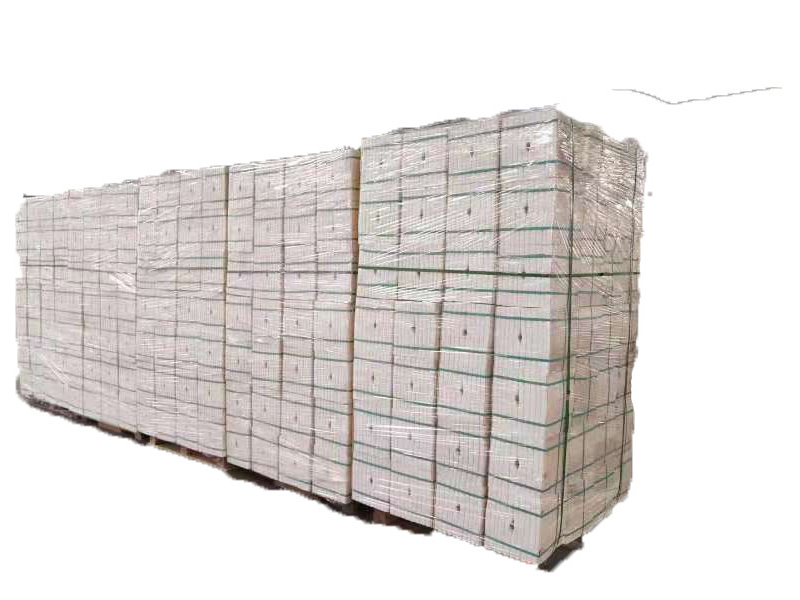
The lightweight nature of the ceramic fiber insulation module also brings structural benefits. Compared with dense refractory linings, a ceramic fiber insulation module lining can reduce furnace lining weight by more than half. This reduction lowers the mechanical load on furnace steel structures, minimizes thermal stress, and allows for more flexible furnace design. In retrofitting projects, ceramic fiber insulation module systems are often chosen to upgrade older furnaces without extensive structural modification.
Thermal shock resistance is another key feature of the ceramic fiber insulation module. The flexible fiber structure absorbs thermal expansion and contraction during rapid heating and cooling. This makes the ceramic fiber insulation module especially suitable for batch furnaces, heat treatment furnaces, and kilns that experience frequent start-stop cycles. The risk of cracking, spalling, and lining failure is significantly reduced compared with rigid refractory materials.
Installation efficiency is a major reason why many industrial users select ceramic fiber insulation module solutions. Modules are prefabricated and installed directly onto the furnace shell using standardized anchors. This modular approach shortens construction time, reduces labor intensity, and minimizes downtime during furnace maintenance or rebuilds. Faster installation means quicker return to production, which is a critical factor in continuous industrial operations.
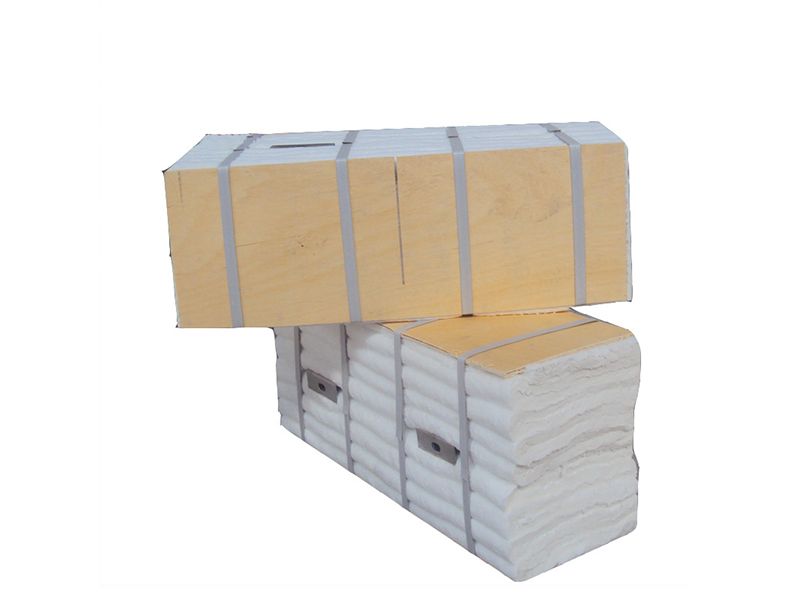
Ceramic fiber insulation module systems are widely applied in petrochemical heaters, steel heat treatment furnaces, aluminum melting furnaces, ceramic kilns, and power generation boilers. In these applications, the ceramic fiber insulation module serves as either the primary insulation lining or a hot-face lining combined with protective coatings, depending on temperature and mechanical exposure.
Proper design and installation are essential to ensure the long-term performance of a ceramic fiber insulation module. Factors such as module orientation, anchor material selection, expansion allowance, and protection against mechanical damage must be carefully considered. When installed according to correct engineering standards, a ceramic fiber insulation module lining can maintain reliable insulation performance over extended service periods.
As industries continue to prioritize energy efficiency, reduced emissions, and flexible furnace operation, the ceramic fiber insulation module stands out as a practical and forward-looking insulation technology. Its combination of thermal efficiency, lightweight design, and installation convenience makes the ceramic fiber insulation module an essential component in modern high-temperature industrial systems.
Related Products
Inquiry Now
Please leave your e-mail and we will contact you as soon as possible
+86-15264257623 Jacky Liu
1003, Building 1,The Fortune Zone, No.17 Lian yungang Road,Qingdao,China
For more details, welcome to message us.
Copyright © 2025 Qingdao laurent new materials co.,ltd.All Rights Reserved.
 Powered by HiCheng
contact us
Your satisfaction is our top priority. Whether you have questions, need support, or want to share feedback, our dedicated team is ready to assist you every step of the way.