Ceramic Fiber Cotton: Practical High-Temperature Insulation Experience in Industrial Applications
In high-temperature industrial operations, ceramic fiber cotton is widely used for furnace maintenance, heat sealing, thermal repair, and irregular insulation areas. Compared with large-scale insulation projects, its biggest advantage in practical applications is flexibility. Engineers can quickly cut, fill, and adjust the material according to the actual structure of equipment, which is especially valuable during emergency repairs or equipment upgrades. Professional ceramic fiber cotton factory suppliers usually focus not only on temperature resistance but also on fiber stability, shrinkage control, and consistency during long-term operation.
In actual projects, the performance of ceramic fiber cotton depends greatly on correct selection and installation methods. Many insulation failures in industrial equipment are not caused by insufficient temperature resistance but by improper installation, poor filling density, or unsuitable material selection. Based on years of application experience, engineers usually evaluate the heat source location, operating temperature, mechanical vibration, and maintenance frequency before choosing the appropriate insulation material.
During furnace maintenance, ceramic fiber cotton is often used to repair damaged insulation sections where traditional refractory materials are difficult to install. For example, in a steel plant furnace maintenance project, the original insulation around the burner area had serious heat leakage after several years of operation. The main problem was not the material itself but cracks caused by repeated thermal expansion and contraction. After removing the damaged insulation and filling the gaps with high-quality ceramic fiber cotton, the furnace surface temperature was reduced, and the heat distribution became more uniform. The repair also shortened the maintenance period because the material could be installed without complex construction procedures.
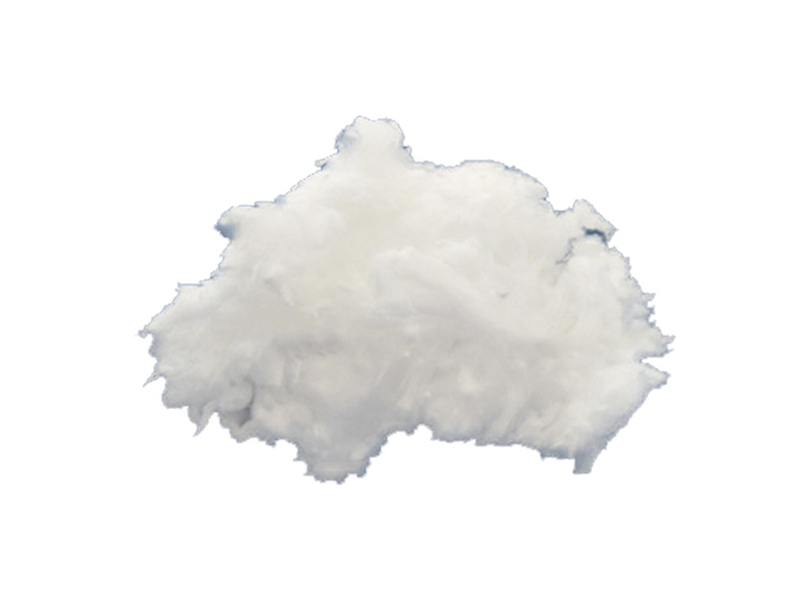
Another practical application involved a ceramic kiln operating with frequent temperature changes. The original insulation layer experienced repeated damage due to rapid heating and cooling cycles. During the inspection, engineers found that rigid insulation materials had difficulty adapting to the thermal movement around expansion areas. After using ceramic fiber cotton in these locations, the insulation structure showed better flexibility and resistance to thermal stress. After continuous production cycles, the repaired sections maintained stable performance, reducing the frequency of shutdown maintenance.
In petrochemical equipment maintenance, ceramic fiber cotton is commonly applied around pipes, valves, and irregular connection areas where standard insulation products cannot provide complete coverage. In one heating pipeline insulation project, heat loss occurred mainly at connection points and complex shapes. The maintenance team used ceramic fiber cotton to fill the gaps and improve the sealing effect. After operation testing, the external surface temperature decreased significantly, improving both energy efficiency and working safety.
For narrow spaces and special sealing positions, ceramic fiber cotton wick provides better adaptability. In one high-temperature furnace door application, traditional sealing materials failed because of repeated opening and closing cycles. The replacement with ceramic fiber cotton wick improved the contact between the sealing area and the furnace structure. After several months of operation, the furnace door maintained better sealing performance, reducing heat escape during production.
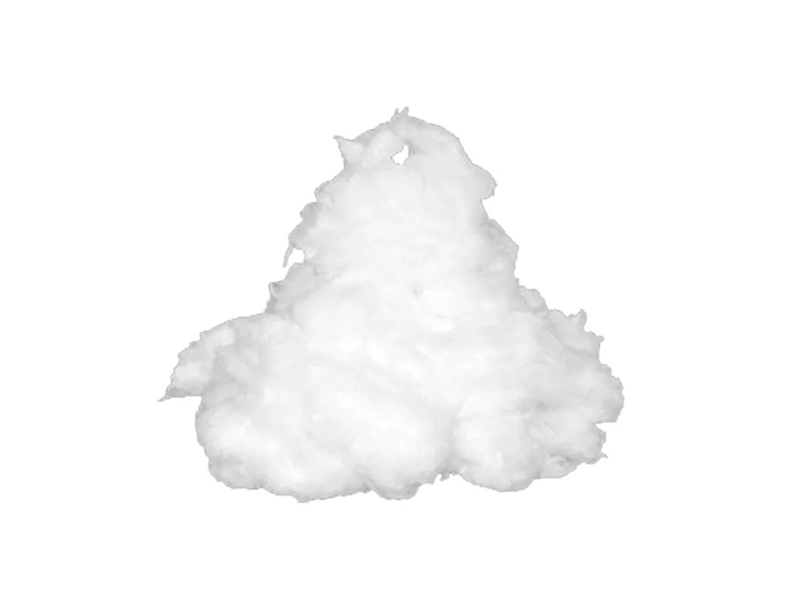
From engineering experience, the quality difference between suppliers is reflected in actual operating performance. A professional ceramic fiber cotton factory needs to control fiber uniformity, thermal shrinkage, and material stability during production. In practical projects, low-quality products may appear acceptable during initial installation but can show shrinkage, powder loss, or insulation reduction after long-term exposure to high temperatures. Selecting a reliable manufacturer helps reduce replacement frequency and improve equipment reliability.
When applying ceramic fiber cotton, installation details are equally important as material quality. Before filling or repairing insulation areas, loose particles and damaged sections should be removed completely. The material should maintain appropriate density after installation; excessive compression may reduce insulation performance, while insufficient filling can create heat leakage paths. Experienced technicians usually adjust the installation method according to different application areas, such as burner openings, furnace corners, pipe connections, and expansion zones.
With continuous improvements in industrial energy-saving requirements, ceramic fiber cotton remains an important material for furnace repair and thermal protection. Through proper material selection, professional installation, and practical experience, it can effectively reduce heat loss, improve equipment stability, and extend the service life of high-temperature industrial equipment. The experience of a reliable ceramic fiber cotton factory also plays an important role in providing suitable solutions for different working conditions.
Related Products
Inquiry Now
Please leave your e-mail and we will contact you as soon as possible
+86-15264257623 Jacky Liu
1003, Building 1,The Fortune Zone, No.17 Lian yungang Road,Qingdao,China
For more details, welcome to message us.
Copyright © 2025 Qingdao laurent new materials co.,ltd.All Rights Reserved.
 Powered by HiCheng
contact us
Your satisfaction is our top priority. Whether you have questions, need support, or want to share feedback, our dedicated team is ready to assist you every step of the way.