Calcium Silicate Insulation Board: Professional Insights, Industrial Applications, and Practical Experience
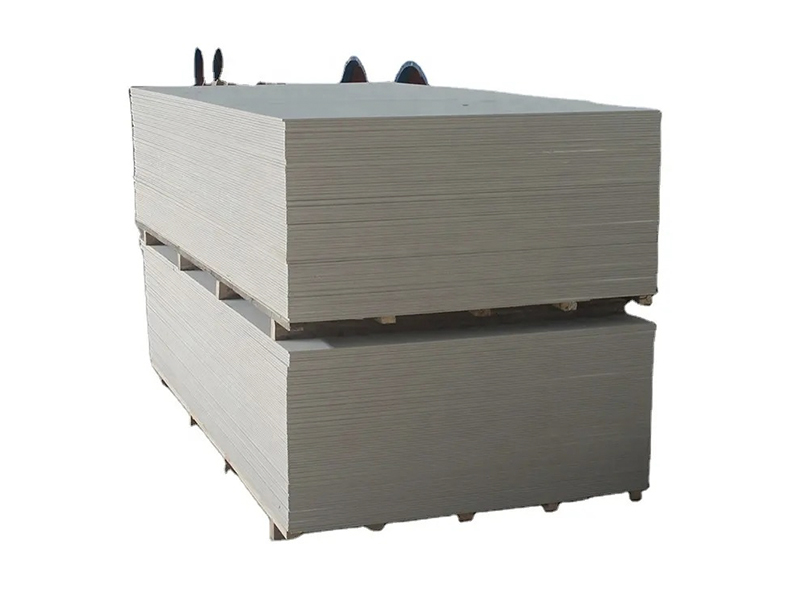
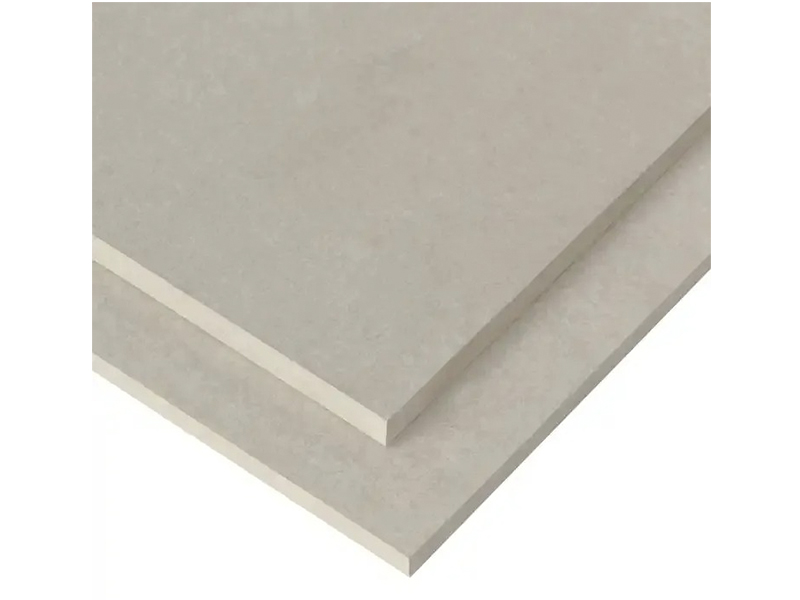
Calcium silicate insulation board has emerged as one of the most reliable high-temperature insulation materials for industrial and commercial applications. Engineered through a hydrothermal process combining silica, lime, and reinforcing fibers, calcium silicate board forms a rigid microstructure with excellent thermal insulation properties, mechanical strength, and dimensional stability. Its versatility makes it suitable for use in furnace linings, pipe insulation, and fireproof structures, complementing traditional refractory solutions such as ceramic fiber and lightweight mullite systems.
Calcium silicate insulation board provides a unique combination of thermal efficiency and structural integrity. Unlike flexible insulation materials, calcium silicate board is rigid and load-bearing, making it ideal for applications where mechanical stability is critical. High-quality calcium silicate insulation board exhibits low thermal conductivity, typically between 0.05–0.10 W/m·K, and can operate reliably at temperatures up to 1000°C, depending on thickness and density.
Key advantages include:
Excellent compressive strength for supporting pipes, equipment, and lining structures
Dimensional stability under thermal cycling
Resistance to moisture and most chemical exposures
Ease of fabrication and installation
When sourcing materials, working with reputable calcium silicate board suppliers ensures consistent board quality, accurate density, and certified thermal performance. Experienced suppliers provide guidance on selecting the right grade for specific applications, including standard insulation, high-temperature fire protection, or combination lining systems.
From real-world engineering projects, several installation practices are critical to achieving optimal performance:
Precise Cutting and Fitting
Calcium silicate insulation board is relatively easy to cut, but precise measurements are essential to minimize gaps. Uneven joints can create thermal bridges, reducing insulation efficiency.
Joint Treatment
For high-temperature applications, gaps should be filled with compatible insulating mortar rather than dense cement, which can compromise heat resistance. This is especially important for calcium silicate fire board used in furnace walls or fireproof enclosures.
Mechanical Support and Fastening
Boards should be fixed without over-tightening fasteners, as excessive force can crack the material. In pipe insulation, pre-formed sections and support brackets help distribute load evenly.
Thermal Management
Gradual heating and cooling during kiln or furnace startup prevents thermal shock. Even high-quality calcium silicate insulation board can fail if subjected to rapid temperature changes.
A chemical processing plant faced frequent heat loss in its high-temperature steam piping. The original insulation, consisting of compressed mineral wool, degraded under mechanical load and moisture, causing energy inefficiency and safety concerns.
The plant replaced its insulation system with calcium silicate insulation board, complemented with calcium silicate fire board in high-temperature zones. Experienced installers carefully measured and pre-cut each board, ensuring tight joints and proper alignment. Support brackets were used to maintain uniform spacing around pipes.
Results after six months included:
Surface temperatures dropped by 35–40%, enhancing operator safety
Energy consumption decreased by 12–15% due to reduced heat loss
Maintenance frequency was significantly reduced because boards maintained structural integrity
No visible degradation was observed even in wet and high-thermal cycling zones
This case demonstrates the value of selecting the right calcium silicate product and following proper installation protocols.
Industry experience reveals several common mistakes in calcium silicate insulation projects:
Using boards beyond their maximum recommended temperature
Ignoring expansion gaps in large-area installations
Storing boards in humid environments before installation
Poor joint filling and fastening leading to uneven heat distribution or cracking
To avoid these issues, engineers should consult trusted calcium silicate board suppliers for guidance, select the appropriate thickness and density for each application, and ensure proper on-site handling.As energy efficiency and fire safety standards tighten, calcium silicate insulation board is increasingly integrated into multi-layer insulation systems. Combining calcium silicate board with fire-resistant panels, such as calcium silicate fire board, allows engineers to design solutions that balance thermal insulation, mechanical strength, and fire protection. Modern suppliers are also improving board consistency, enhancing moisture resistance, and providing customized solutions for complex piping or high-temperature industrial furnaces.
Related Products
Inquiry Now
Please leave your e-mail and we will contact you as soon as possible
+86-15264257623 Jacky Liu
1003, Building 1,The Fortune Zone, No.17 Lian yungang Road,Qingdao,China
For more details, welcome to message us.
Copyright © 2025 Qingdao laurent new materials co.,ltd.All Rights Reserved.
 Powered by HiCheng
contact us
Your satisfaction is our top priority. Whether you have questions, need support, or want to share feedback, our dedicated team is ready to assist you every step of the way.