Ceramic Fiber Module Innovation Reshapes High-Temperature Insulation Market Dynamics
The global high-temperature insulation sector is undergoing rapid transformation as the Ceramic fiber module becomes a preferred solution in industrial furnace systems. Manufacturers across steel, petrochemical, and ceramics industries are accelerating the transition from traditional refractory linings to refractory insulating modules that deliver improved thermal efficiency and operational flexibility.
The Ceramic fiber module has gained widespread acceptance due to its lightweight structure and excellent resistance to thermal shock. Industrial users are increasingly selecting ceramic fiber insulation module systems for applications where temperature fluctuations are frequent and energy efficiency is critical. Compared with dense firebricks, refractory insulating modules reduce heat storage, allowing faster heating cycles and lower fuel consumption.
Recent engineering projects highlight the growing importance of Ceramic fiber module systems in furnace modernization. Maintenance teams are replacing aging linings with refractory insulating modules to improve temperature uniformity and extend equipment service life. The modular structure of ceramic fiber insulation module products allows for faster installation, reducing downtime during scheduled shutdowns.
In North America and Europe, stricter emissions regulations are encouraging industries to adopt Ceramic fiber module technologies. Operators are focusing on reducing heat loss and improving combustion efficiency, and refractory insulating modules play a key role in achieving these goals. The ability of ceramic fiber insulation module systems to maintain stable thermal conditions supports compliance with energy efficiency standards.
Asian manufacturers continue to dominate global supply, exporting large volumes of Ceramic fiber module products to international markets. Production facilities are expanding capacity to meet rising demand for refractory insulating modules used in industrial kilns and furnaces. At the same time, suppliers are improving fiber composition and bonding techniques to enhance the durability of ceramic fiber insulation module products.
Technological advancements are reshaping how Ceramic fiber module systems are designed and manufactured. Automated production lines are improving consistency, ensuring that refractory insulating modules meet strict dimensional and performance requirements. These innovations are particularly important in high-temperature applications where ceramic fiber insulation module reliability directly impacts operational safety.
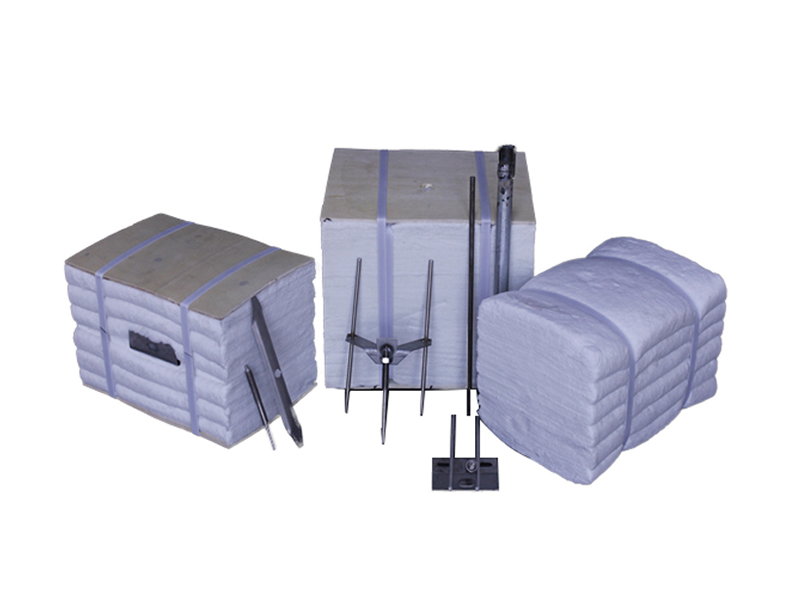
The petrochemical sector is one of the largest consumers of Ceramic fiber module systems. Refineries and chemical plants require refractory insulating modules that can withstand continuous exposure to extreme temperatures. Engineers are specifying ceramic fiber insulation module solutions for reformers, cracking furnaces, and process heaters, where thermal efficiency directly affects production costs.
Energy efficiency remains a primary driver of demand for Ceramic fiber module products. Industrial operators are seeking insulation materials that reduce energy consumption without compromising performance. Refractory insulating modules offer low thermal conductivity, helping facilities maintain stable internal temperatures. As a result, ceramic fiber insulation module adoption is increasing in both new construction and retrofit projects.
Installation practices are also evolving as contractors gain more experience with Ceramic fiber module systems. Proper compression and anchoring techniques are essential to ensure the long-term performance of refractory insulating modules. Suppliers are providing detailed guidelines and on-site support to ensure ceramic fiber insulation module installations meet design specifications.
The ceramics industry is another major application area for Ceramic fiber module products. Kilns used in tile, sanitary ware, and advanced ceramics manufacturing rely on refractory insulating modules to maintain precise temperature control. The use of ceramic fiber insulation module systems helps reduce energy consumption while improving product quality.
Market competition among suppliers is intensifying as demand for Ceramic fiber module solutions grows. Companies are differentiating their offerings by developing specialized refractory insulating modules with higher temperature ratings and improved mechanical strength. Innovations in ceramic fiber insulation module design are enabling suppliers to meet the needs of increasingly complex industrial applications.
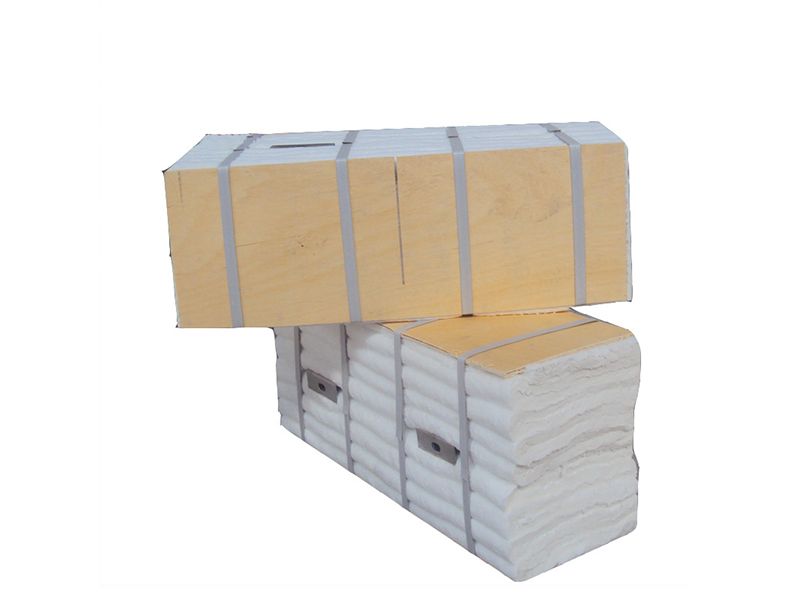
Environmental considerations are influencing purchasing decisions in the insulation market. Many industrial users are evaluating the lifecycle impact of Ceramic fiber module products, including energy savings and material recyclability. Refractory insulating modules are often favored for their ability to reduce overall carbon emissions through improved thermal efficiency. Ceramic fiber insulation module systems are also being optimized to minimize dust generation during handling and installation.
The power generation sector is adopting Ceramic fiber module technologies for boiler and turbine insulation. Refractory insulating modules help maintain stable operating temperatures, improving system efficiency and reducing heat loss. Ceramic fiber insulation module systems are particularly valuable in facilities that operate continuously under high thermal loads.
Global trade patterns show steady growth in exports of Ceramic fiber module products. Buyers are prioritizing not only cost but also performance characteristics such as thermal conductivity and service life. Refractory insulating modules that offer consistent quality and reliable performance are gaining strong demand across international markets. Ceramic fiber insulation module suppliers are strengthening their distribution networks to support this growth.
Research and development efforts are focused on improving the performance of Ceramic fiber module systems. Manufacturers are exploring new fiber compositions and production techniques to enhance the strength and durability of refractory insulating modules. These advancements are expected to expand the application range of ceramic fiber insulation module products in the coming years.
Industrial users are increasingly recognizing the long-term benefits of Ceramic fiber module adoption. The combination of energy savings, reduced maintenance, and improved operational efficiency makes refractory insulating modules a strategic investment. As industries continue to modernize their thermal systems, ceramic fiber insulation module solutions are expected to remain at the forefront of high-temperature insulation technologies.
Related Products
Inquiry Now
Please leave your e-mail and we will contact you as soon as possible
+86-15264257623 Jacky Liu
1003, Building 1,The Fortune Zone, No.17 Lian yungang Road,Qingdao,China
For more details, welcome to message us.
Copyright © 2025 Qingdao laurent new materials co.,ltd.All Rights Reserved.
 Powered by HiCheng
contact us
Your satisfaction is our top priority. Whether you have questions, need support, or want to share feedback, our dedicated team is ready to assist you every step of the way.